1 / 8
Mentioned in this post
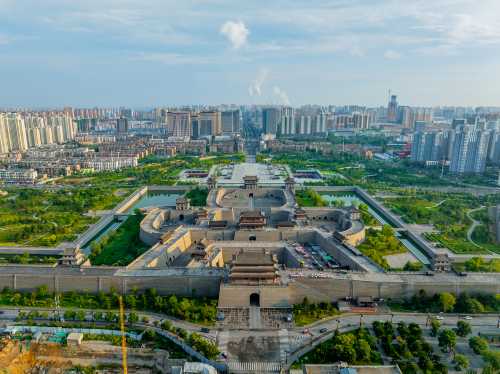
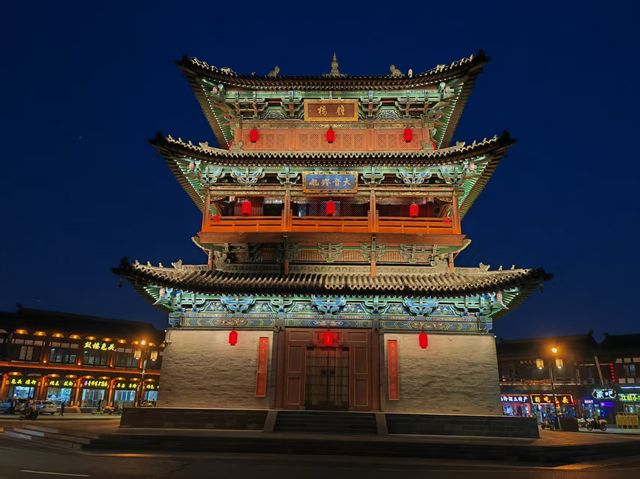
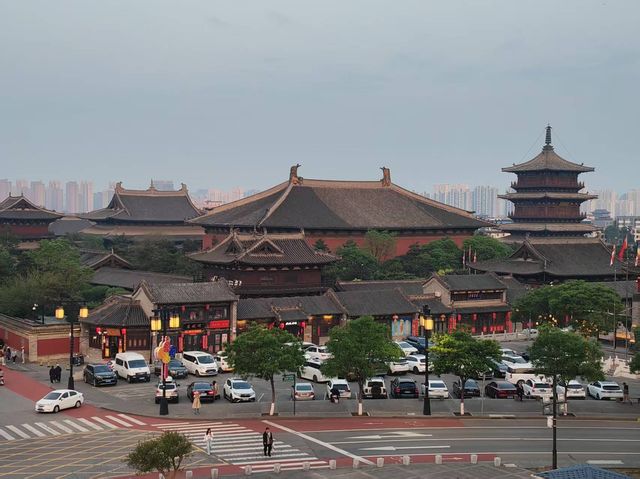
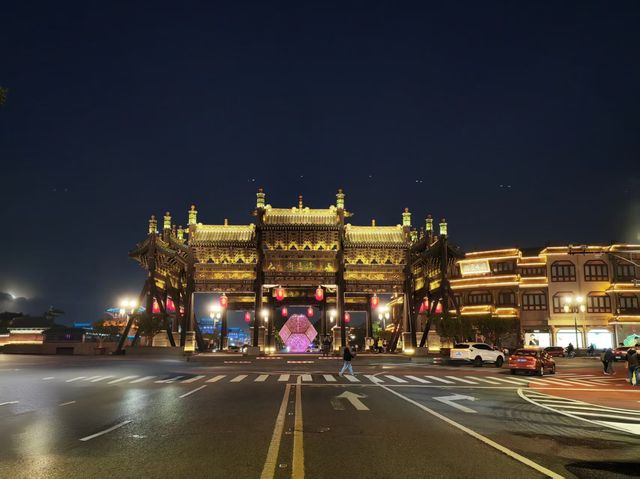
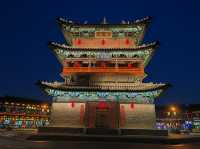
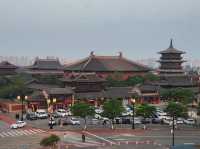
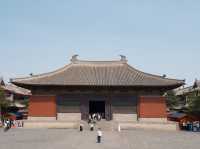
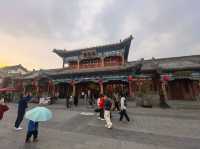
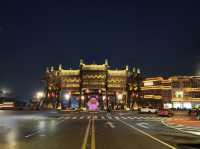
4.7/5263 reviews | Night view
Datong
₹ 128.01
Details
Show more
Popular Trip Moments
Avoid the crowds! I found a hidden perfect spot for sunflower photos | Northern Shanxi Youyu Shahu Pass · Valley of the Wind | Datong is worth it, bringing blessings to your home | Datong Nine-Dragon Wall: A Six-Hundred-Year Dragon Shadow of a Ming Prince’s Mansion | Datong Travel Guide | 3 Days 2 Nights Itinerary Version | Winter Family Trip to Yanmen Pass! Snow-Covered Great Wall Hiking Guide~ | Huayan Temple See Half of Liao and Jin History and a Smiling Bodhisattva | Visiting Datong's Ancient Architecture in the Off-Season | Millennium-old Cave with Stunning Buddha Statues, Northern Wei Art That Shocks the Soul | Yungang Grottoes Cave 18 Closed for Maintenance | The Yungang Grottoes' Northern Wei Buddha statues are considered the artistic pinnacle of Chinese sculpture | Eye to eye with the Jin Dynasty's "Zhou Xun," her gaze holds all the compassion in the world | Walking into Shan Hua Temple | Here, I caught an entire winter of tranquility | I quietly gazed for a long time before finally understanding the romance of the ancients! | Descending the mountain, Datong is truly breathtaking | Hougou Ancient Village|A Time Gap in the Deep Mountains of Yuci (with Travel Guide) | Datong Earth Forest, Sculptures in the Wilderness | Datong Xiaoshizi Village | The Su model restoration of the Zhengzong Hall of Dharma Transmission at Yong'an Temple | Huayan Temple | When you press the shutter, a thousand years of time softens in the morning light | Not just Yungang! This royal ancient temple in Datong amazed Liang Sicheng | Who understands? Datong in December is truly beautiful | Restaurants in Datong with 100% Christmas atmosphere | Chongqing's hidden gem, enter the autumn Zen paradise for free | Datong Huayan Temple|The beauty of pink ancient costumes is a millennium-old tradition | 6-Day Ultimate Shanxi Highlights Tour Guide is here | At the thousand-year-old Jin Temple, I found a hidden copy of Journey to the West | Shanxi nanny-level guide I’m willing to call "Ancient Architecture Enthusiast’s Ecstasy" | At Huayan Temple, be amazed by the aesthetics of a thousand-year-old ancient temple | Taiyuan Travel|Itinerary Record - Journal
Recommended Attractions at Popular Destinations
Popular Attractions in Bangkok | Popular Attractions in Manila | Popular Attractions in Tokyo | Popular Attractions in Taipei | Popular Attractions in Hong Kong | Popular Attractions in Seoul | Popular Attractions in Kuala Lumpur | Popular Attractions in Los Angeles | Popular Attractions in Shanghai | Popular Attractions in New York | Popular Attractions in Shenzhen | Popular Attractions in Osaka | Popular Attractions in Singapore | Popular Attractions in London | Popular Attractions in Guangzhou | Popular Attractions in San Francisco | Popular Attractions in Beijing | Popular Attractions in Macau | Popular Attractions in Bali | Popular Attractions in Jakarta | Popular Attractions in Paris | Popular Attractions in Ho Chi Minh City | Popular Attractions in Istanbul | Popular Attractions in Phuket | Popular Attractions in Chicago | Popular Attractions in Seattle | Popular Attractions in Toronto | Popular Attractions in Orlando | Popular Attractions in Cebu | Popular Attractions in Chiang Mai
Popular Restaurants in Datong
Northern Wei family feast | KAI GE JIU LOU | 大同弘雅饭店·弘雅饭店 | 龙聚祥烧麦馆(鼓楼店) | LAO YE MIAO FENG WEI MEI SHI FU | ZINI 369 CULIANG JI | GU LOU SLICED NOODLES | Yeah.夜烧烤 | Yong he hong qi mei shi cheng | 小龙坎火锅(太和路店) | 小龙坎火锅(同瑞里店) | 北岳恒山村 | Xiaoxifuliangfen (hunyuan) | HUAMAO HOTEL·Restaurant | BAI KONG QUE DAI WANG FU CU LIANG YAN | 顺意凉粉(鼓楼东街总店) | YUNJINHUI | SUNJIBAOZI | EASTWHEAT | Yungang Jianguo | XINJIN TAO | Sliced Noodles Of Mr Ren's | 新世纪烤鸭店(惠民店) | Qingzhen·shuaifujieyangza | KaigeHuoguo | Mr chai Noodle | Howard Johnson Golden Land Hotel Chinese Restaurant | Kaige Restaurant (caochangcheng) | 海底捞火锅(星茂汇店) | Kaige Hot Pot City (wubu)
Popular Ranked Lists
Popular Premium Hotels in Leeds | Top 10 Best Things to Do in Cebu | Top 50 Must-Visit Restaurants in Melaka | Top 50 Must-Visit Restaurants in Shijiazhuang | Top 50 Must-Visit Restaurants in Busan | Top 10 Best Things to Do in Islamabad | Top 10 Best Things to Do in Minsk | Popular Premium Hotels in Shan | Popular Premium Hotels in Bedford | Popular Premium Hotels in Shah Alam | Popular Best Things to Do in Zhijiang | Popular Best Things to Do in Wuzhishan | Top 20 Best Things to Do in Yokohama | Popular Premium Hotels in Gwynedd | Top 20 Luxury Hotels near Sacramento | Popular Premium Hotels in Llandderfel | Top 50 Best Things to Do in Florence | Top 50 Must-Visit Restaurants in Singapore | Top 50 Must-Visit Restaurants in Pingtan | Top 10 Luxury Hotels near Palmerston North | Top 50 Must-Visit Restaurants in Nha Trang | Top 20 Best Things to Do in Orlando | Top 10 Best Things to Do in Manila | Popular Premium Hotels in Altea | Popular Best Things to Do in Vik | Top 20 Must-Visit Restaurants in Bursa | Top 50 Must-Visit Restaurants in Queenstown | Popular Best Things to Do in Liyang | Popular Premium Hotels in Floriana | Popular Premium Hotels in Pokolbin
About
Payment methods
Our partners
Copyright © 2025 Trip.com Travel Singapore Pte. Ltd. All rights reserved
Site Operator: Trip.com Travel Singapore Pte. Ltd.
Site Operator: Trip.com Travel Singapore Pte. Ltd.