六国饭店
5.0/5
Amazing12 Reviews

22
Environment
Overview
Features
Reviews
Currently closed|Open at 16:30 today
Show more
+864703715999
Opposite to Xinghua Railway Primary School
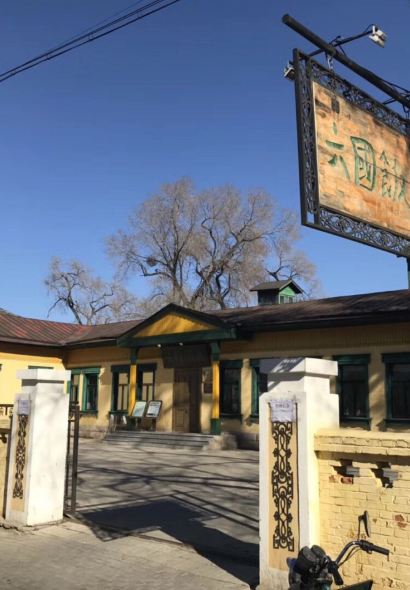
 巧克力先生This is a European-style western restaurant with an elegant environment, clean and hygienic environment, good service attitude, and good quality at a low price. It is a western restaurant that is worth visiting. Highly recommended.
Features
Free Wi-Fi
Free Parking
Reviews of 六国饭店
Some reviews may have been translated by Google Translate
5/5Outstanding
All (12)
Latest
Photo reviews (7)
Positive reviews (3)
Save this restaurant
This is a European-style western restaurant with an elegant environment, clean and hygienic environment, good service attitude, and good quality at a low price. It is a western restaurant that is worth visiting. Highly recommended.
A group of 5 friends and I came here because of its reputation. The dining environment is very good. The restaurant has an exotic atmosphere, with many old pictures hanging on the walls. The group's meal for 6 people was large in portion, the steak tasted good, and the fries were also good.
The food here is mainly Russian style Western food with a strong flavor. The environment is very elegant and is located in an old Russian bungalow. The prices are reasonable.
September in Hulunbuir is past peak season, but it's even better because there are fewer people. Since my family herds livestock on the Barga Grassland, my wife and I embarked on this road trip to visit relatives and enjoy sightseeing. The overall route was: Qiqihar - Zhalantun Hulunbuir - Yakeshi Hulunbuir - Boketu Station - Hailar Hulunbuir - New Barga Right Banner Hulunbuir - Manzhouli Hulunbuir. 👍Highly Recommended: Suspension Bridge Park (Zhalantun), Boketu Gendarmerie Site (Boketu Town, including the most famous old shops and the section chief's office), Qushui Yuntian (viewing the Morigele River), Hulunbuir Ancient City (although newly built, it has unique cultural and commercial features), Hulunbuir History Museum (Hailar city tour), Hulunbuir National Museum (Hailar city tour), Hailar Fortress Ruins Museum (a must-visit for military enthusiasts), Hulun Lake (the end of the grassland is the sea), Manzhouli National Gate Scenic Area (experience the national gate and glimpse Russia). 🍽Recommended Restaurants: Six Nations Hotel, Rubli Western Restaurant (main branch), Cuihua Sauerkraut. Our first stop is Zhalantun. Driving along, the rural scenery gradually transforms into low hills and mountains. Entering Inner Mongolia, the scenery becomes increasingly expansive. The vehicle's power is excellent, especially on mountain roads and when overtaking. We arrived in Zhalantun at noon and were warmly welcomed by our local friends. We enjoyed a local hot pot, which, while simple in taste, was incredibly heartwarming. After lunch, we were invited to visit their home. Their accommodation, located on the west bank of the river, offered excellent views. The decor was simple yet clean, and the highway was just a short distance from the window. The complimentary fruit was very thoughtful and refreshing. After saying goodbye, we continued westward, refueling in Zhalantun before heading towards Yakeshi. This section of the route can be described as a scenic drive through the Xing'an Mountains. Villages gradually thinned out, and the forest scenery became increasingly lush. There were many consecutive bends and downhill sections along the way. We stopped to take photos in the woods and even used off-road mode for the first time – a very enjoyable experience. Occasionally, we even picked a few wild roses, adding a touch of wildness to the journey. We arrived in Yakeshi at dusk and checked into a hotel. For dinner, we chose Northeastern cuisine; the tofu pudding and steamed buns were quite delicious. There were already pedestrians wearing cotton-padded coats on the streets, and the city was quiet but slightly deserted at night. We decided to visit Genhe and Aoluguya the next day. The next morning, we enjoyed Inner Mongolian-style milk tea and steamed buns for breakfast. Veterinary medicine shops were also visible on the streets, adding to the local flavor. Driving towards Hailar, the transition from forest to pastoral areas was clearly noticeable. A beautiful waterscape and hillside attracted many tourists, and we stopped to take photos. Afterwards, we visited "Qushui Yuntian" to view the Morigele River. We needed to buy milk tea and Mongolian fruits at the Tuga camp as admission. The view from the top was expansive, but the extent of commercialization in the scenic area was striking. We saw many people operating drones and, tempted, decided to buy one ourselves. However, due to unforeseen family matters, we changed our plans and went to visit relatives instead. We also visited the Hulunbuir Nationalities Museum along the way. The architecture was magnificent, blending multiple ethnic styles. The exhibits focused on folk culture, but the information wasn't extensive. Afterwards, we went to the local market; the vegetable prices were high, while supermarkets were more affordable. In the evening, we arrived in Dongqi and checked into the same hotel we had stayed at before, enjoying the local specialty, spicy beef head meat hot pot. The small town was clean and tidy, and the Mongolian jackets in the ethnic clothing stores were quite expensive. We set off early the next morning, driving along the national highway for a while before turning onto a dirt road over the grassland. After a bumpy ride, crossing rivers, and even encountering camel herds, we finally arrived at our relatives' home. Although our original plan was thwarted, we had more time to experience grassland life: drinking, eating meat, relaxing on the vast grasslands, the bright starry night sky, and the sound of wind and rain sounding exceptionally peaceful on the deserted grasslands. Two days later, we set off again, taking a shortcut through dirt roads to Xiqi. The off-road experience left the vehicle covered in mud, but it was also very enjoyable. Xiqi is not large, so we made a brief stop before heading towards Manzhouli. Along the way, we discovered that the "Golden Coast" of Hulun Lake was a free attraction; the lake was vast and the scenery was breathtaking. Upon arriving in Manzhouli, we dined at a Russian restaurant on Zhongsu Street, where Russian actors performed. After dinner, we went to the border gate, and instead of buying tickets, we were led on a tour by a local guide. From the high vantage point, we could see a Russian town, a striking contrast in scenery. The guide even helped us find a perfect spot for a photo with the national gate. We rushed back to Hailar in the evening, checked into our hotel, and had a hot pot dinner. The next morning, after having beef noodles, we visited the Hulunbuir Ancient City. Although newly built in 2010, its commerce and cultural and creative industries are quite distinctive. Afterwards, we went to the Hailar Fortress Ruins, delving into the Japanese underground fortifications. The site was vast and well-equipped, with some old tanks and artillery on display outdoors—a historically significant attraction. Before heading back, our final stop was Boketu. The town was somewhat desolate, but due to its deep connection to Qiqihar's railway history, we saw related personnel and black-plated license plates everywhere. We visited the former site of the century-old railway section chief and old Japanese-style train carriages—a small town full of stories.
🕐️DAY 1: After arriving at noon and checking in, go straight to Cuiping Mountain Dujuan Slope, no tickets are required. There are small stalls and cultural and creative stores in the scenic area. You can buy some local snacks and souvenirs. There is a small train in the park, 30 yuan per person, it is recommended to walk in. After climbing down the slope, sit out, the whole journey is 2.5 hours. For dinner, Yang Po Po's Hoof Flower Pot, after eating, go straight to the pedestrian street night market to eat and eat, there are everything. 🕐️DAY 2: Breakfast Limin Hotel Restaurant, 10 yuan per person, many varieties, clean and hygienic! After eating, go to the morning market and suspension bridge park for a walk to feel the local life. Go to the Middle East Railway Museum to find the traces left by history. The museum is small and exquisite. I learned about the history of railway development in Zhalantun. The experience is great! Lunch Liuguo Hotel, delicious and not expensive, sitting in a century-old building to eat is very feeling. After eating, take a walk around the train station and take a look at the old buildings. Take the train home at 3pm. The pleasant short trip is over! 🚄Transportation tips: The city bus can reach various important attractions, and it is not expensive to take a taxi for the whole journey. 💰️Total cost: 1,500 yuan/3 people/2 days 💗Other tips: Zhalantun has preserved many old buildings and integrated the cultures of China, Russia and Mongolia. It is a diverse and exquisite small city. There are mountains, water, flowers and history. Take advantage of the flowers to visit the small Jiangnan on the grassland!