
Things to do in Aswan
Explore top experiences
Top 10 attractions in Aswan


Philae Temple
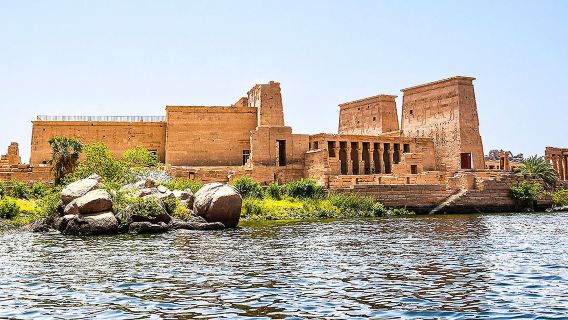
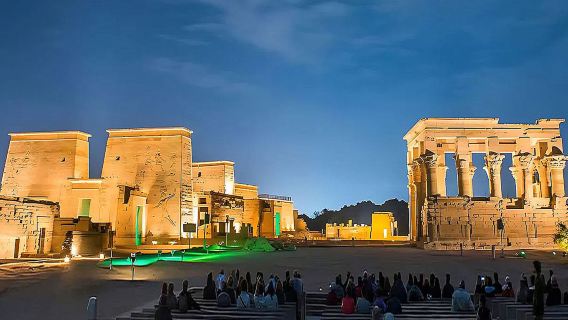
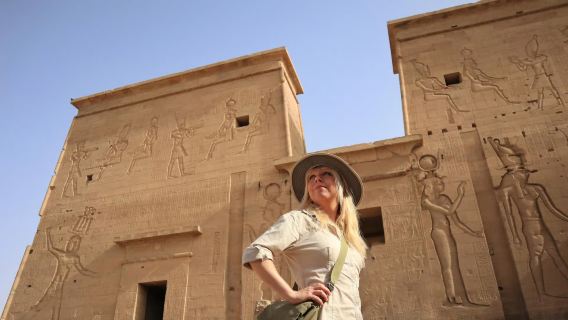
The Temple of Philae is dedicated to Isis, the god of love. Philae is a small island in the Nile River south of the Aswan Dam, where a temple was originally built. When the British built the Aswan Dam in 1902, the island of Philae was submerged, and tourists could only take a boat to watch the temple gates and stone pillars out of the water. There are hieroglyphic inscriptions and some vivid reliefs in the Temple of Philae, where the god of wealth Hathor and the god of fertility Isis are worshipped here. It is said that Isis has 10,000 names. She is not only in charge of fertility, but also the patron saint of all people, so she was highly respected by the ancient Egyptians. In 1980, Egypt decided to transfer the island's monuments to another island and restore its original appearance. There are many travel agencies in Aswan that organize all-inclusive tours to Philae, or you can go by taxi or motorboat yourself.Aswan · 7.2km from downtown

Agilkia Island
Agyrkia Island is located in the southeastern Aegean Sea and was formed by ancient volcanic activity. The island is covered with dark volcanic rocks, and the black sand is mixed with shiny mineral particles. At low tide, the puddles on the beach will reflect the shapes of the surrounding rocks, forming an interesting reflection landscape. There are remains of a crater in the center of the island, surrounded by drought-resistant shrubs. Steaming hot springs can occasionally be seen in the cracks of the rocks. When these geothermal activities meet the sea breeze, a thin mist will be produced. The east coast is lined with neat hexagonal stone pillars. The waves have punched many small holes in the rocks. Marine life attached to the stones can be seen at low tide. The island still retains the stone paths left by shepherds, along which you can see abandoned stone houses and water storage pits. In spring, migratory birds often fly over the natural stone arch in the north, attracting bird-watching enthusiasts. There are reefs formed by volcanic rocks near the coast, and you can observe marine life hidden in the cracks of the rocks when snorkeling.Aswan · 7.3km from downtown

Nile
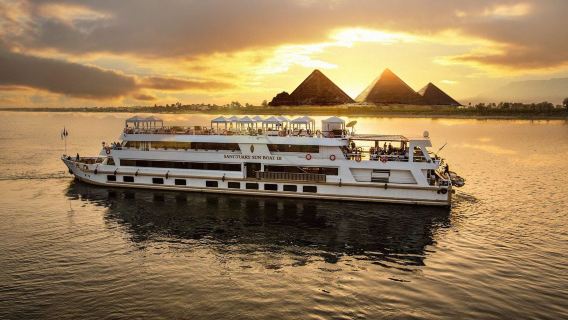
The Nile River is the mother river of Egypt. In the Cairo section, tourists usually choose to swim the Nile River at night, not only to enjoy the city night view of Cairo, but also to watch the wonderful belly dance or Sufi dance performance. There are many choices of cruise ships. At the docks on both sides of the Nile River in downtown Cairo, you can see a variety of cruise ships of different grades. The price ranges from 10 Egyptian pounds to one or two hundred Egyptian pounds. The more famous ones are Pharaoh Cruise and luxury dinner cruises ( MaximDinnerCruise), sailing cruise (FeluccaCruise), etc. Lively night cruises There are parades during the day and at night. Usually, there are belly dances, Sufi dances and other performances on board during night cruises, which are very lively. You can book night tours at your hotel and get lower group rates. The Pharaoh cruise ship's retro Pharaoh-style hull is very characteristic. There are four cruises a day at 14:30 (lunch cruise), 16:30, 20:00 (dinner cruise), and 22:00 (dinner cruise). Reservations are required. Accept credit card payment, the reference price is 200 Egyptian pounds per person. Tel: 02-35701000, 02-35702645 Address: 138ElNilSt.Giza, Giza official website: http://www.thepharaohs.com.egCairo · 614m from downtown

The High Dam
The Aswan Dam is located on the Nile River, 900 kilometers south of Cairo, Egypt. The arc-shaped arch bridge is 111 meters high. It is 40 meters wide at the 3830 meters long. When it was built, it formed Lake Nasser. Standing by the dam, overlooking the vast and misty Nasser Reservoir, the lakes and mountains, the egrets are flying in front of the Xisai Mountain, and the fishing boats are dotted and sparkling. In addition to the boundless water surface on both sides of the dam, there are many water conservancy facilities, such an industrialized scene is rare in Egypt. Walking slowly upstream from the main dam, you can see the emergency spillway on the right and the dam's grand power station on the left. The low-lying places are composed of low and high layers of cinnamon soil steps, piles of accumulated stones and piles of yellow sand on the shore, all of which have left the historical imprint of the construction of the project.Aswan · 13.3km from downtown

Nubian Village Aswan
A place full of color and cultural charm, the Nubian Village of Aswan is located on the banks of the Nile in Aswan and showcases the unique lifestyle and traditions of the Nubian people. The village is famous for its colorful houses, each of which is carefully decorated to reflect the richness and diversity of Nubian culture. Wandering through the village, visitors can admire murals and handicrafts by local artists, which vividly tell the history and legends of Nubia. The Nubian Village is not only a visual feast, but also an ideal place for a cultural experience. Visitors can visit local families to learn about their daily lives and taste traditional Nubian cuisine such as spice-rich stews and fresh bread. The village also has a small market selling handmade jewelry, textiles and souvenirs, which is a great place to buy unique gifts.Aswan · 4.8km from downtown

Unfinished Obelisk
Aswan's unfinished obelisk, a huge pity for ancient Egyptian stonemasons, but an awe-inspiring sight for tourists, is Egypt's heavier monolithic stele . The obelisk is about 42 meters long and weighs about 1168 tons. If the inscription is completed, it will be the heavier monolithic stone building in Egypt. The obelisk was not completed, possibly because a crack appeared in the middle of the stone. The obelisk is still attached to the parent rock in the Northern Quarries, which the ancient Egyptians used to mine granite. This huge obelisk has some interesting nicks and pictograms of dolphins and various birds.Aswan · 1.4km from downtown

Elephantine
Elephant Island is an island located in the Nile River. It is one of the very ancient areas in Egypt. There are also artifacts unearthed on the island that belong to prehistoric times. Located near a large waterfall on the Nile River, it is the border between Egypt and Sudan. It is called "elephant" for several reasons. One is that it was an important ivory trading area in the past. Sun Elephant.Aswan · 1.8km from downtown

JJ Jamaica Felucca
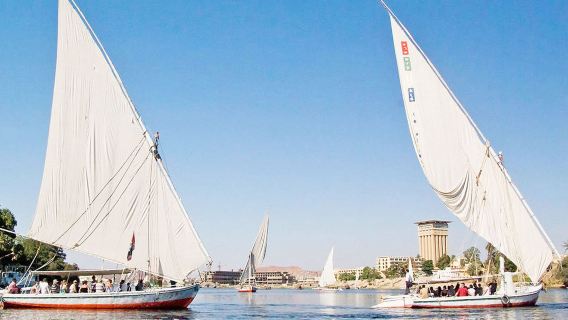
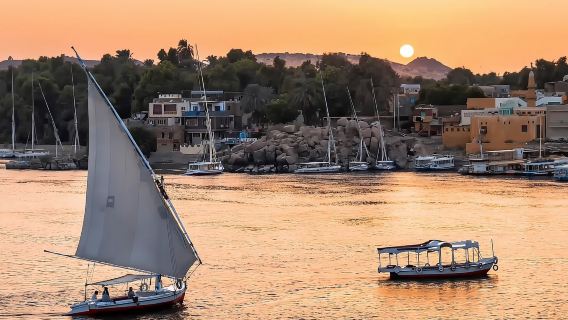
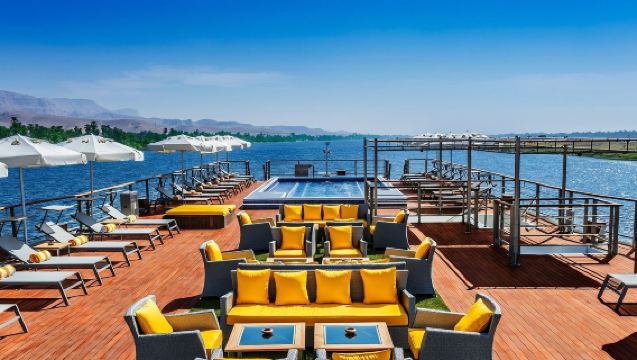
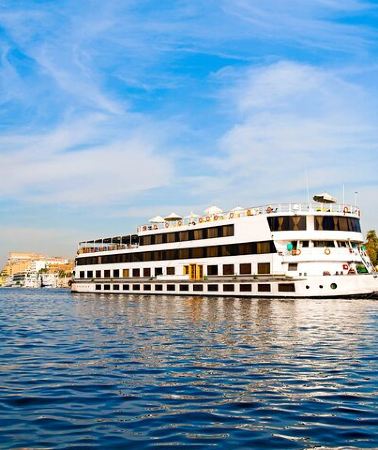
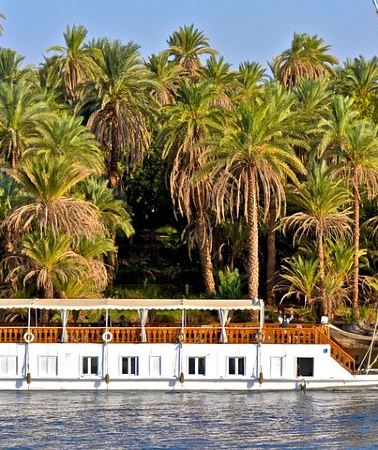
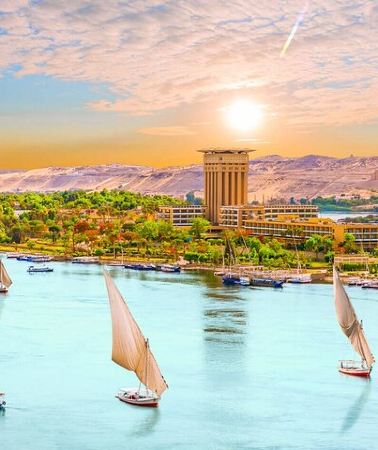
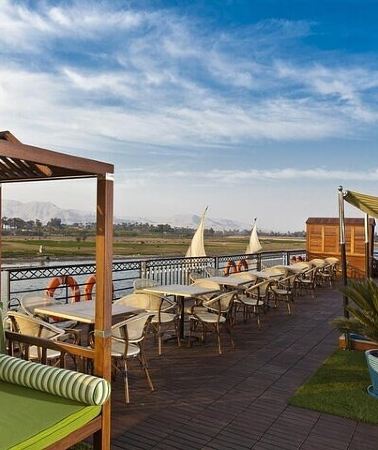
JJ Jamaica offers a variety of Nile sailing experiences, including traditional triangular sailboats (Felucca), retro Dahabyia sailboats and kayaking projects. Visitors can choose to roam on a Felucca light sailboat and watch egrets, herons and other wetland ecosystems in the gentle river section; or take a Dahabyia sailboat to experience the atmosphere of a 19th-century aristocratic cruise ship. The cabin is equipped with a wooden deck and viewing lounge chairs, which is suitable for sunset cruises. The kayaking project provides a short adventure and a close visit to the Nubian villages in the Aswan Islands. Itinerary highlights include: kayaking to explore the ruins of ancient quarries, tasting Nubian special stews and date desserts on the sailboat, and exploring the historical temples along the Nile. The cruise project combines tradition and adventure, establishes a deep connection with the traditional Egyptian culture, and is full of authentic charm. It is recommended to travel in the cool season from November to March, and sail in the early morning or evening to avoid strong sunlight.Aswan · 927m from downtown

Kalabsha Temple
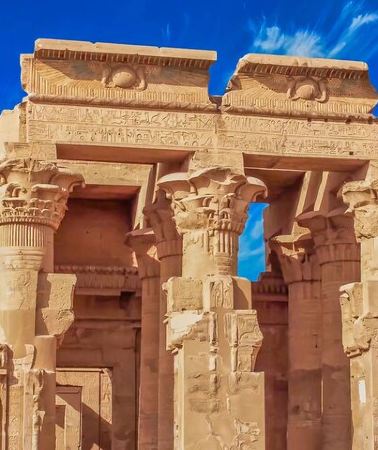
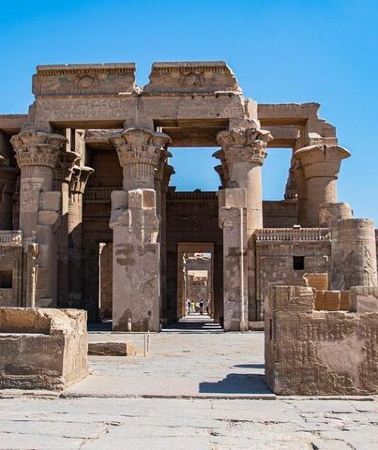
Located in a town 50 kilometers south of Aswan, the temple was built during the late Ptolemaic dynasty and completed during the reign of the Roman Empire, Augustus. The temple was built in honor of the Nubian god Mandulis. Visitors can follow a spectacular stone path from the lake shore to the temple's first pylon, then through a colonnaded courtyard, followed by a hall supported by 8 pillars. Visitors can admire the runes and reliefs of Egyptian pharaohs, and look for the goddess Mandulis, who wears a cloak made of vulture feathers. The Temple of Calabusa was moved from Nubia to its current location in 1970, along with some monuments. Now standing on the shore of the beautiful Nasser Lake, there is also a summer hall and two large pillars with double-headed eagles, which were moved at the same time. There is another building in the depths of the hill not far away that indicates the military capabilities of Ramses II. Beit Valli celebrates his victory over Nubians, Ethiopians, Asians and Libyans. The colorful scenes in the temple represent Ramses II's dedication to the gods.Aswan · 14.6km from downtown

Feryal Garden
Aswan · 1.4km from downtown
Experiences you can't miss in Aswan
Featured Day tours in Aswan
View all Day tours
4.0/5
· 3 reviewsBook now for tomorrow
91 travellers saved
From₹ 10,491.18
Free cancellation
From₹ 1,916.40
Free cancellation
Book now for tomorrow
From₹ 15,100.94
Featured Cultural experiences in Aswan
View all Cultural experiences
2.5/5
· 2 reviewsFree cancellation
Book now for today
From₹ 38,966.70
Free cancellation
Book now for today
From₹ 692,031.48
Instant confirmation
Book now for today
From₹ 42,741.06

Free cancellation
Book now for tomorrow
From₹ 17,682.35
Free things to do in Aswan
Nile
Cairo · 614m from downtownNubian Village Aswan
Aswan · 4.8km from downtownElephantine
Aswan · 1.8km from downtown
Aswan Old Souks
Aswan · 1.2km from downtown
Aga Khan Mausoleum
Aswan · 2.1km from downtown
Colossi of Memnon
Egypt · Al Bairat
Avenue of the Rams
Egypt · Luxor
KV11 - Tomb of Rameses III
Egypt · Qesm Al Wahat Al Khargah
Abu Haggag Mosque
Egypt · Luxor
More ways to travel from Aswan
Private Tours in Aswan
View More Private Tours in Aswan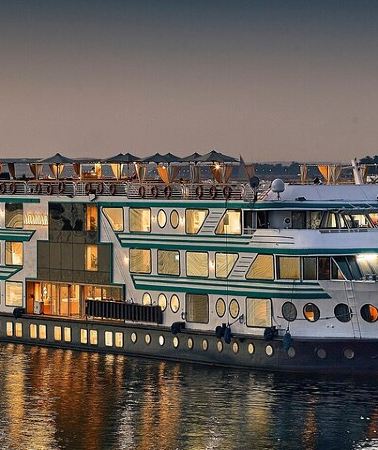


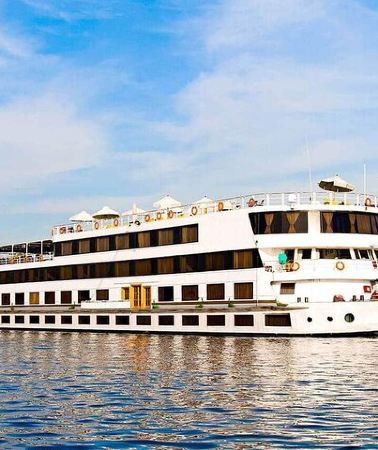
Group Tours in Aswan
View More Group Tours in Aswan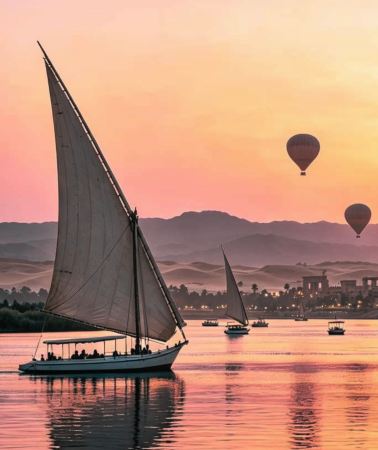
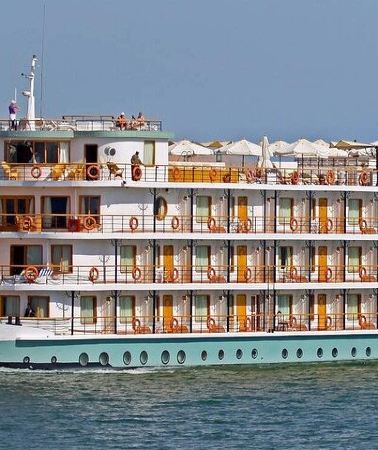
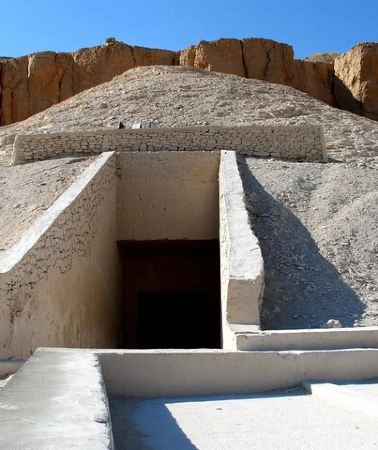
What travellers say about Aswan

Tablet66616 June 2025
5.0
Le divin Philly, situé sur la côte tranquille du Nile, est un divin du temps grec-romain qui attire les touristes partout dans le monde en utilisant ses arts architecturaux et sa riche histoire. Sous le soleil, les pierres et les peintures de la pierre de Dieu sont plus mystérieuses et plus importantes, ce qui fait que les gens traversent l'ère de la pierre antique de l'Égypte. Le paysage de la pierre de Dieu est relativement humide, mais dans l'ensemble, il est bon de goûter la pierre de Dieu et le goûter la pierre de Dieu est généralement très élevé.
Philae Temple

误虚醉9 October 2023
5.0
The Philae Temple on Agilkia Island was originally located on Philae Island, a small island in the shallows of the Nile River. After the British built the Nile Low Dam in 1902, the Philae Temple was submerged for several months every year. With the construction of the Aswan High Dam, the Philae Temple would be forever submerged. For this reason, the temple was moved as a whole to the nearby Akilkiia Island. Akilkia Island was not big enough, so it was deliberately expanded a little so that the temple could be rebuilt in its original form.
Agilkia Island

863386331 February 2025
5.0
At that time, on the way from Luxor to Hurghada, I began to miss the Nile River infinitely. Every time I saw the river, I couldn't help but marvel in my heart. It was just a natural scenery, but it had an unreal beauty, flat and vast. I always lived in southern China and always thought that rivers came from valleys, magnificent or winding, with mountains on both sides, but the Nile River was still flat on both sides. I think there would be no Egypt without the Nile River. In such a hot and dry place that is not suitable for living, it should be this river that can pass through thousands of years without changing and keep people.
Now, I have been away from Egypt for more than ten days. The most frequent flash in my memory is still the Nile River. Its beauty seems to allow anything to happen. I suddenly understand Agatha very much. If you face such a miracle every day, it is not surprising that you can write any story.
Finally, I actually want to say that the Old Falls Hotel is worth staying (if the budget allows, but the afternoon tea is very bad, so be careful.
Nile

水漫三楼20 February 2026
5.0
The Aswan Dam, located on the Nile River in Egypt, near the city of Aswan, about 800 kilometers south of Cairo, is a large-scale, multi-functional water conservancy project with benefits including irrigation, power generation, flood control, navigation, tourism, and aquaculture.
The Aswan Dam is a giant dam near the Nasser Lake Reservoir. The dam site is located 7 kilometers upstream of the old Aswan Dam in the backwater area of the reservoir, with a water depth of approximately 30-35 meters. The river valley at the dam site is about 500 meters wide, with steep slopes on both banks that gradually recede upwards. At a point 100 meters above the riverbed, the valley width is approximately 3600 meters. The dam is a clay-core rockfill dam with a maximum height of 111 meters. At its highest water level of 183 meters, the reservoir has a total capacity of 168.9 billion cubic meters, and the power station has a total installed capacity of 2.1 million kilowatts, with a designed annual power generation of 10 billion kilowatt-hours.
Construction began on January 9, 1960. The first generating unit went into operation on October 15, 1967. All generating units were installed and put into operation on July 15, 1970, and the entire project was completed in the same year.
The High Dam

Gully2 September 2023
5.0
Nubian village is a must stop in Aswan. Across the Nile River from main town, it has a completely different feel from Egyptian cities. The people are incredibly friendly. Be sure to get a snack or two while you are there as well.
Nubian Village Aswan

帆看世界ivanstrips (YouTube)2 January 2025
4.0
This attraction is not large and 30 minutes is enough to visit it. The biggest attractions are the 4,000-year-old quarry and the world's largest obelisk from 3,500 years ago. Walk from the Nile River to the unfinished obelisk less than 20 minutes, but the Google navigation route is wrong ❌. The place you finally walked to is a residential area. The ticket office is on the main road near the museum. You can refer to my markings on the Google map, or you can use Google Map to search the location coordinates 📍24°04’38.8”N 32°53‘39.7“E📍 This is the specific location of the ticket office. I hope it helps you. More travel information, please check my YouTube channel @ivanstrips
Unfinished Obelisk

AricFong16 February 2020
5.0
There are two small piers to go to Koh Chang, one of which is at the entrance "next to" KFC. The 5 pounds you pay is already the round trip fare, so you don't need to pay when you return to the other side [Proud] This is a small island Nubi Where Nubia lives, there are B&Bs, high-end hotels, coffee shops and attractions on the island, which can be visited in half a day. We walked around for about half a day, but we couldn't find the way to the Movenpick Hotel [sad] But it's okay anyway, come to Koh Chang when you come to Aswan and visit Koh Chang.
Travel Wedding Day 182, Country 11, Aswan, Egypt
Elephantine

juki23512 January 2020
5.0
The Kalabsa Temple is a very small temple in Aswan. Although it is not very big, the sculptures in front of the temple are well preserved. The lighting in the temple is not very good, and you need to use a flashlight or candle to enter, which adds a lot of mystery.
Kalabsha Temple


