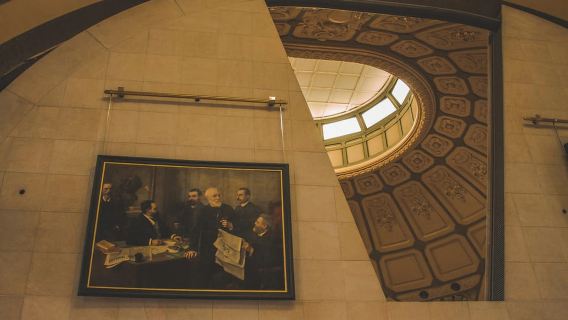


▲ Musee d'Orsay: The Impressionist revolution beneath the clock tower transforms a disused train station into an art sanctuary, embodying a romantic "comeback story." Under the grand glass clock tower, admire Monet and Van Gogh's rebellious brushstrokes, experiencing the pivotal moment when art broke free from classical dogma to embrace modern vitality.

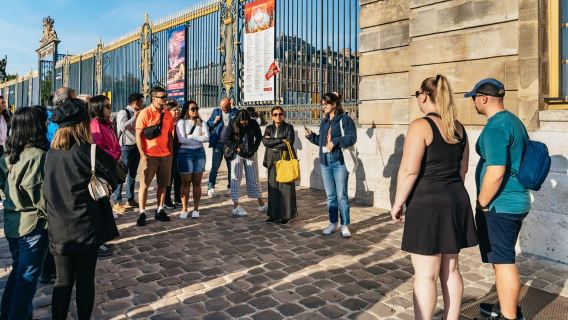
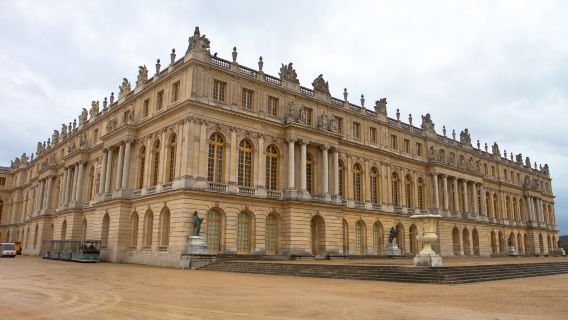
▲ Palace of Versailles: The Sun King's Temple of Power, this is not merely a palace but a "cage" Louis XIV used to tame the nobility and showcase royal authority. Its essence lies not in opulent splendor, but in the grand political performance enacted through its architecture and gardens.


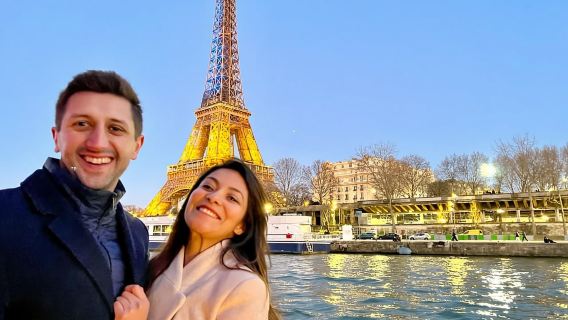
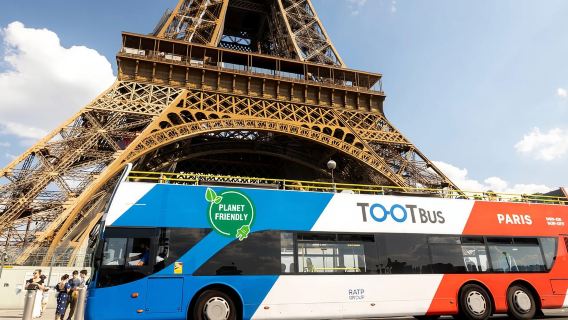
▲ Eiffel Tower: The Steel Canopy of Industrial Romance. Its journey from "steel monster" to symbol of Paris epitomizes France's embrace of modernity. The charm lies not just in panoramic views, but in how its mechanical aesthetics redefined urban skylines - an ode to the Industrial Age, blending steel strength with poetic grace.

▲ Arc de Triomphe de l'Etoile: Napoleon's Unfinished Heroic Epic. It was not merely built to celebrate victory, but also stands as a tombstone for Napoleon's imperial dreams. The reliefs on the arch narrate his ambitions and glory. Ascend to the top, where the 12 radiating avenues beneath your feet resemble starlight, and you'll truly stand at the heart of Paris—indeed, the very center of France.


▲ Louvre Museum: A Millennium-Spanning Ark of Civilization. It's far more than just the home of the "Mona Lisa." From ancient Egyptian mummies to the Greek Venus, from Mesopotamian law codes to Renaissance masterpieces, this is a "time capsule" that condenses 8,000 years of human civilization within its palace walls.