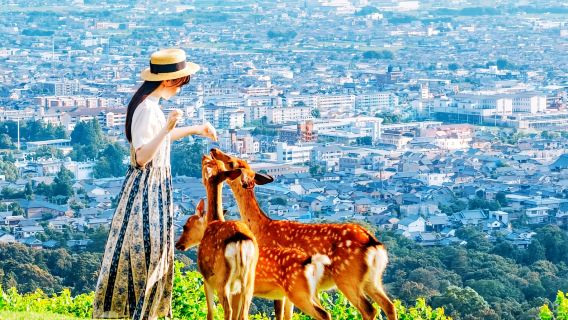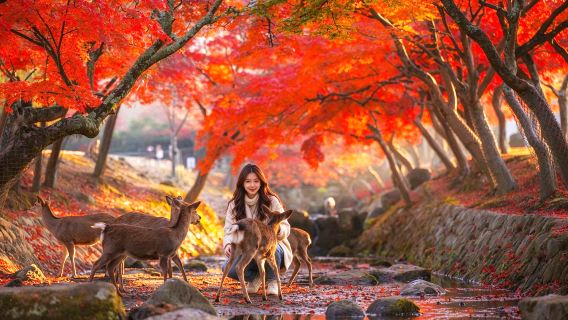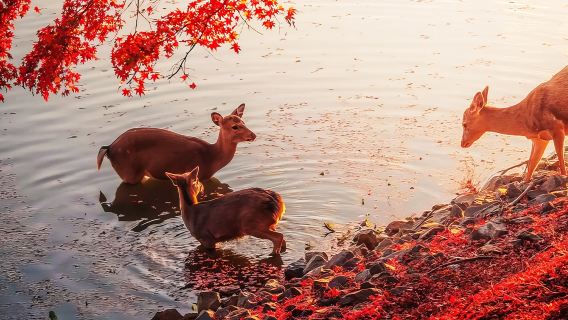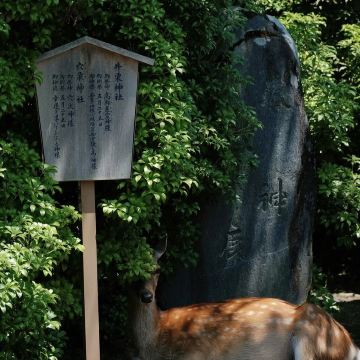

▲ Nara Park • Covers over 500 hectares with 1,200+ wild deer (considered divine messengers). Visitors can purchase deer crackers (200 yen) for interaction. Free admission, connecting Tōdai-ji, Kasugataisha Shrine, and Mount Wakakusa. Known as Nara's "Central Park".
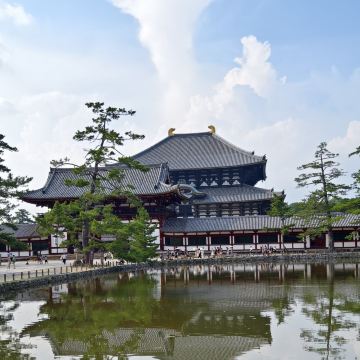

▲ Tōdai-ji (world cultural heritage) • The head temple of the Huayan school, featuring the great Buddha hall—a timber-framed structure • Inside the hall is the 15 m tall bronze Vairocana Buddha (Nara Great Buddha), where visitors can pass through the "Buddha's nostril" pillar • The Nandaimon Kongo Rikishi statues, Nigatsudo Hall, and Shosoin Repository are all Japanese national treasures
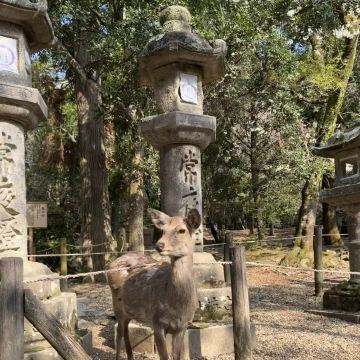

▲ Kasugataisha Shrine (UNESCO World Heritage Site) • Nara's guardian shrine featuring 3,000+ stone & bronze lanterns covered in moss, creating a mystical forest atmosphere • Vermilion main hall, wisteria blooms (April), Lantern Festivals (Feb/Aug), with exclusive amulets being highly popular
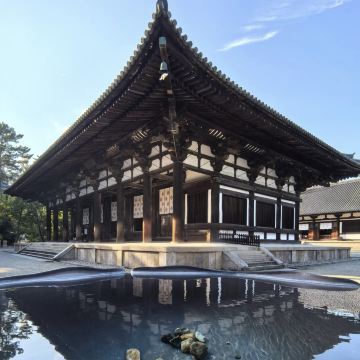

▲ Toshodaiji Founded by the eminent Tang Dynasty monk Jianzhen who traveled east to Japan, this is the head temple of the Ritsu school. Its golden hall showcases the solemn and elegant architectural style typical of the High Tang period. Highlights: The golden hall, lecture hall, and the seated statue of monk Jianzhen in the Mieido (national treasure), with a serene and uncrowded garden perfect for a leisurely stroll Adult ¥600 | 8:30 AM–5:00 PM (last admission at 4:30 PM)
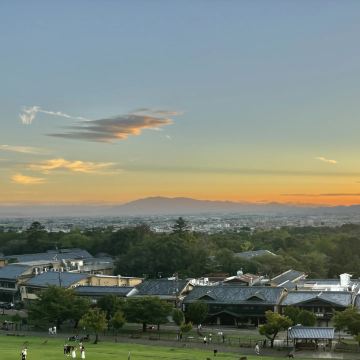

▲ Mount Wakakusa The three-tiered verdant lawn mountain offers a panoramic view of the Nara Basin from the first observation point (about 20 minutes). At the summit, you can relax on the large lawn accompanied by small deer. Recommended to go up the mountain at dusk to watch the sunset cast over the grassland, evoking a Miyazaki-esque vibe ¥150 | Usually 9:00-17:00 (open from mid-late March to early December, closed for a period after the mountain burning festival in January) If you don't want to hike the entire route, you can turn back after reaching the first station. Wear non-slip shoes.