



▲ Emperor Qinshihuang's Mausoleum Site Museum, abbreviated as Qin terracotta warriors, is located at the northern foot of Mount Li in Lintong, Xi'an, approx. 40 km from downtown Xi'an. It is a large burial pit of Emperor Qinshihuang's mausoleum. In 1987, it was inscribed on the World Heritage List and hailed as the eighth wonder of the world, being one of the most important archaeological discoveries of the 20th century. Construction began in 221 BC after Emperor Qinshihuang unified the six states, lasting over 30 years. It is an underground terracotta army formation modeled after the real Qin dynasty military, created to guard the imperial mausoleum and replace the cruel practice of human sacrifice. In 1974, it was accidentally discovered by local villagers digging a well, bringing this underground army that had slept for over 2,000 years back to light.

▲ Huaqing Palace is located at the northern foot of Mount Li in Lintong, Xi'an, approx. 30 km from downtown Xi'an and adjacent to Emperor Qinshihuang's Mausoleum Site Museum. As a national 5A-level attraction and key cultural relic protection site, it boasts 6,000 years of hot spring utilization and 3,000 years of imperial villa construction. Integrating royal hot spring retreats, Tang Dynasty romance culture, modern revolutionary history, and Mount Li's natural scenery, it stands as a historical and cultural landmark for Xi'an tourism.
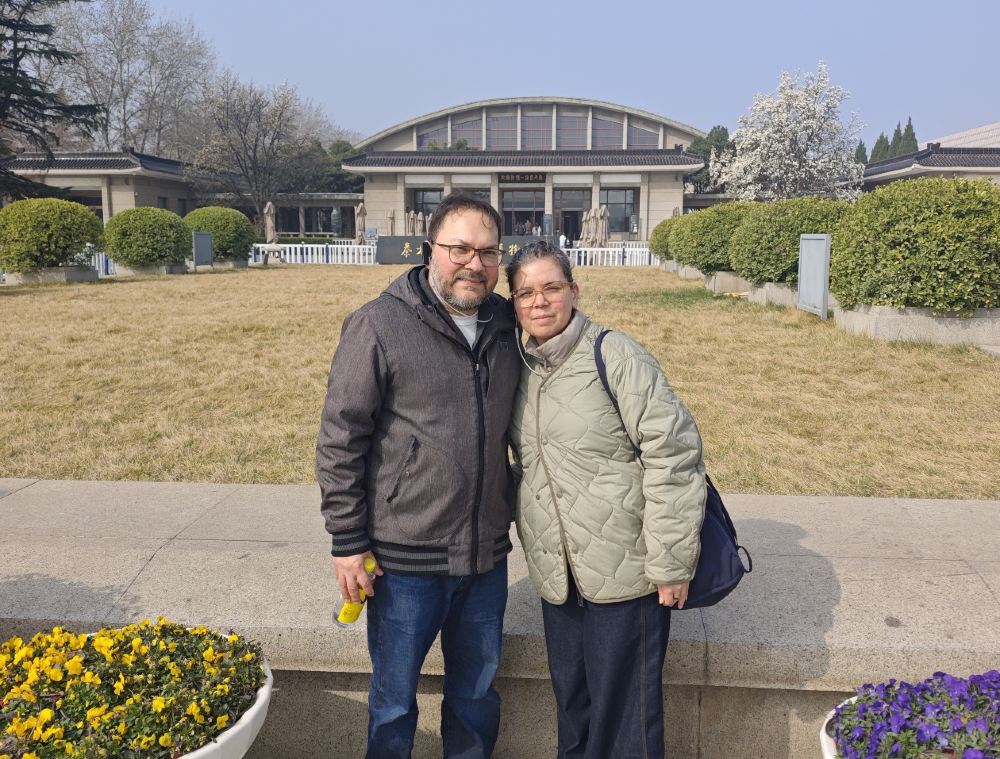
▲ Emperor Qinshihuang's Mausoleum Site Museum fully restores the military organization, weaponry, and uniform system of the Qin dynasty. It is not only a treasure of sculptural art but also a tangible historical resource for interpreting Qin dynasty history. Visited by over 200 heads of state worldwide, it serves as a cultural ambassador for China.