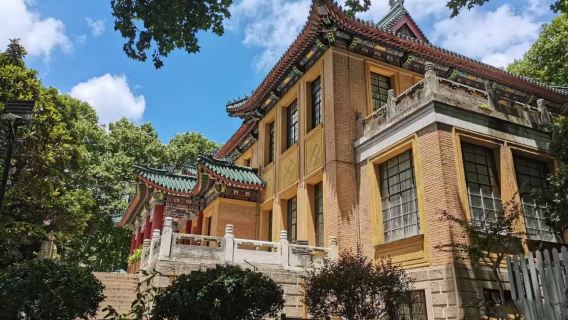
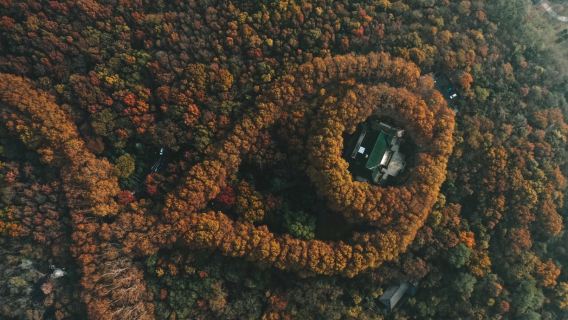
▲ Dr. Sun Yat-sen's Mausoleum is located at the southern foot of Purple Mountain in Nanjing and is the tomb of Dr. Sun Yat-sen. Built along the mountain, it consists of the Fraternity Archway, the tomb passage, the stele pavilion, the memorial hall, and other structures, with 392 steps rising tier upon tier and blue tiles and white walls conveying solemnity and reverence. The architecture blends Chinese and Western styles, combining cultural depth with natural scenery, and is not only a landmark cultural site of Nanjing but also a great destination for commemorating the forerunner and conducting red-themed study tours.

▲ Dr. Sun Yat-sen's Mausoleum has a total of 392 stone steps leading from the stele pavilion to the memorial hall, rising tier upon tier along the mountain slope. The steps are ingeniously designed: looking up from below, one sees only steps, while looking back from the top, one sees only platforms. The number carries a hidden meaning, symbolizing the population of China at that time. Ascending step by step with solemnity, it serves not only as the passage to the tomb but also enhances the atmosphere of reverence and sublimity—a classic design of great ingenuity at Dr. Sun Yat-sen's Mausoleum.

▲ The Fraternity Archway (paifang) of Dr. Sun Yat-sen's Mausoleum is located at the very front of the tomb complex and serves as the entrance landmark of the mausoleum. The entire archway is constructed of granite and takes the form of a three-bay, four-pillar chongtian-style archway, with the two characters "Bo'ai" (Fraternity) in Sun Yat-sen's own handwriting inscribed on top. Its design is simple and solemn, blending Chinese and Western architectural styles. Backed by the Purple Mountain, it is not only the first view upon entering the park but also sets the solemn and peaceful tone of the mausoleum grounds, embodying the spiritual meaning of fraternity.