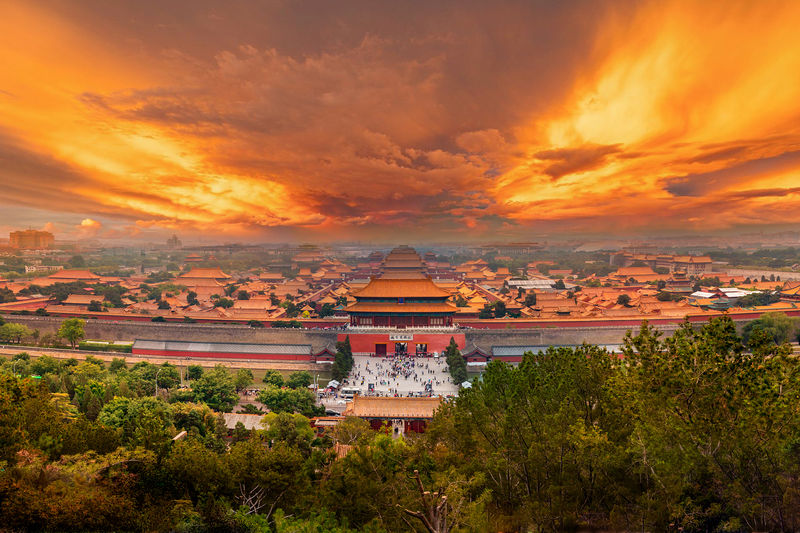
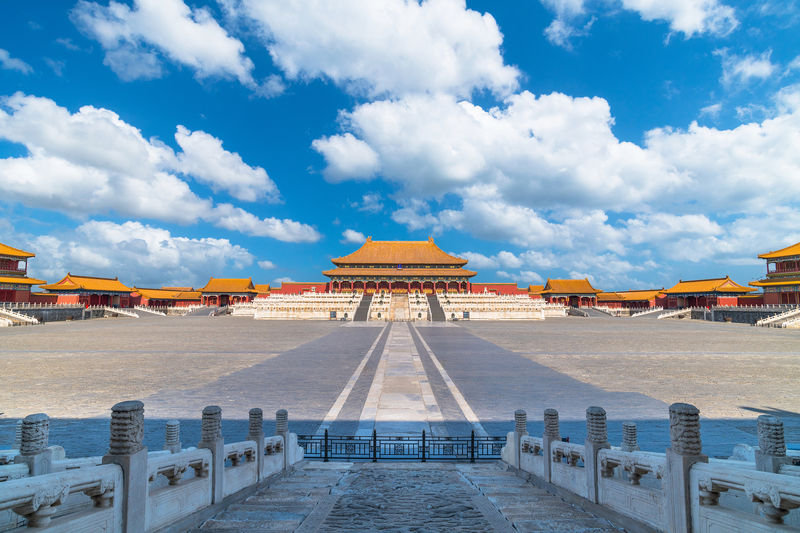

The Palace Museum in Beijing, also known as the Forbidden City, was the imperial palace of the Ming and Qing dynasties in China and is the world's largest and best-preserved ancient wooden palace complex.
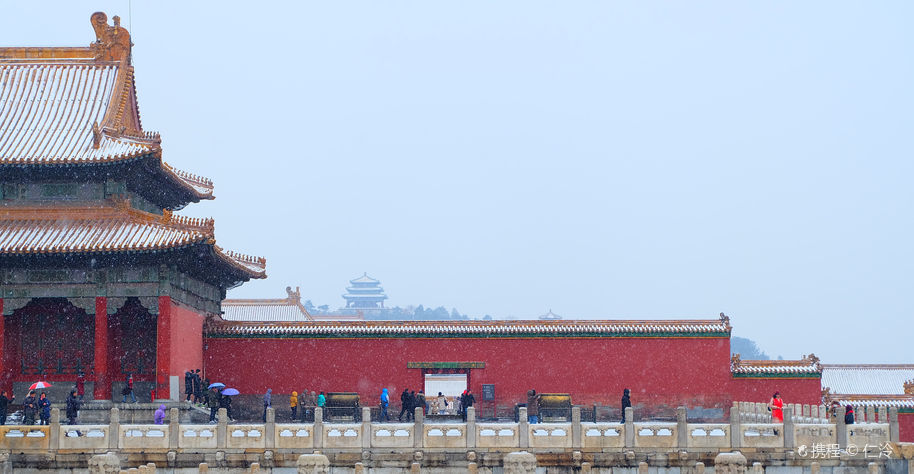
The Forbidden City is located at the very center of Beijing. Construction began during the Yongle reign of the Ming Dynasty and took 14 years from start to completion. After it was finished, a total of 24 emperors—14 from the Ming Dynasty and 10 from the Qing Dynasty—lived here, handled state affairs, and wielded supreme power over the realm. It served as the imperial capital for more than 500 years, until the end of the feudal dynasty, when it was officially opened to the public. Today it is a world-renowned World Cultural Heritage site.
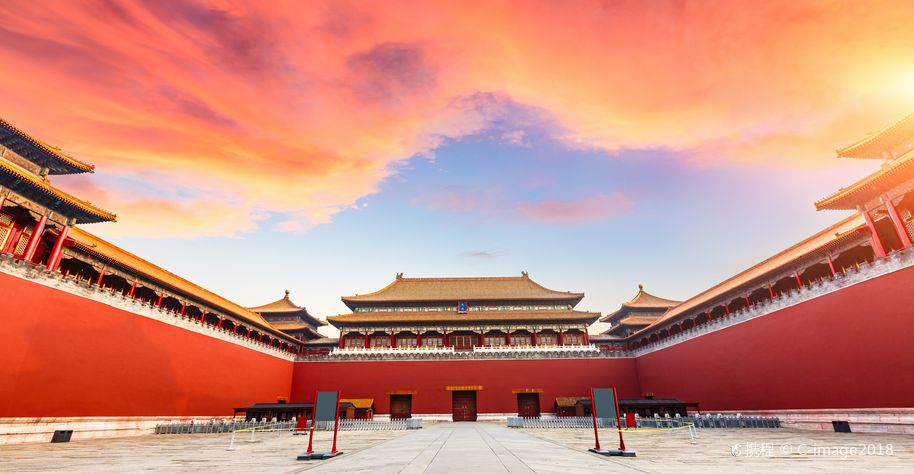
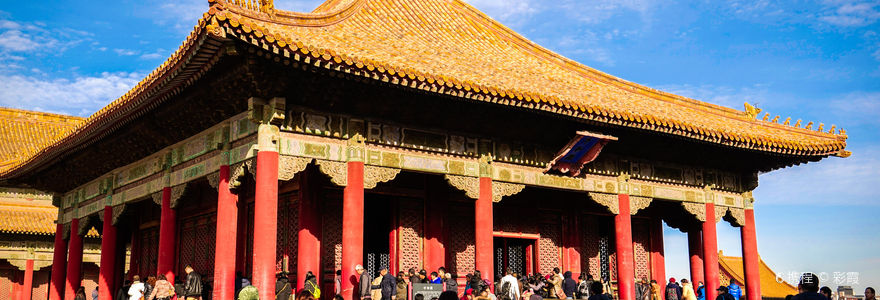
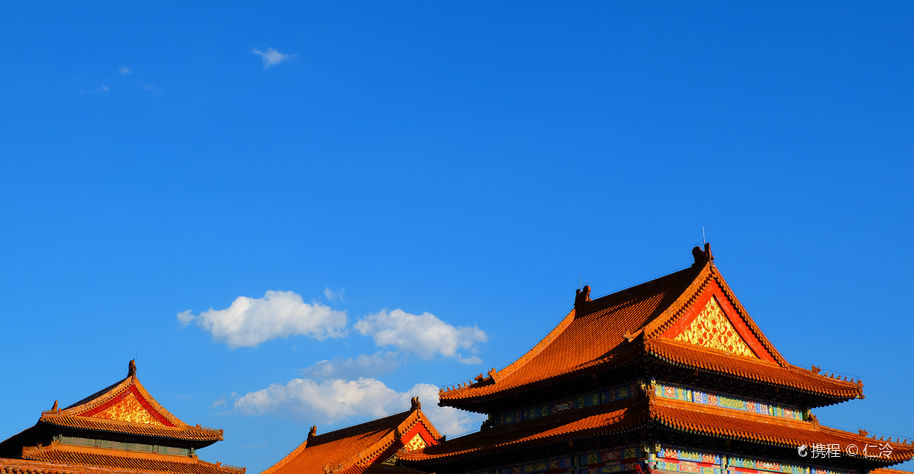
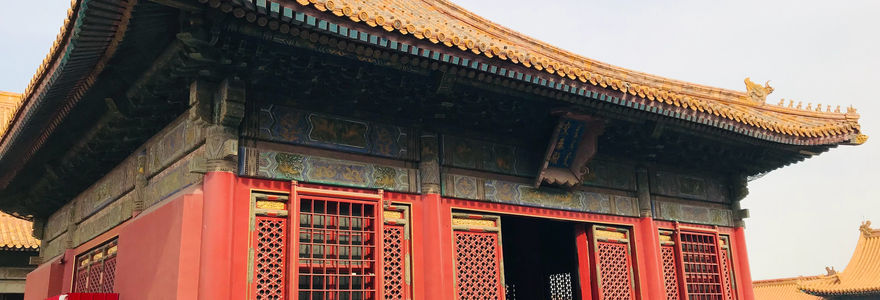
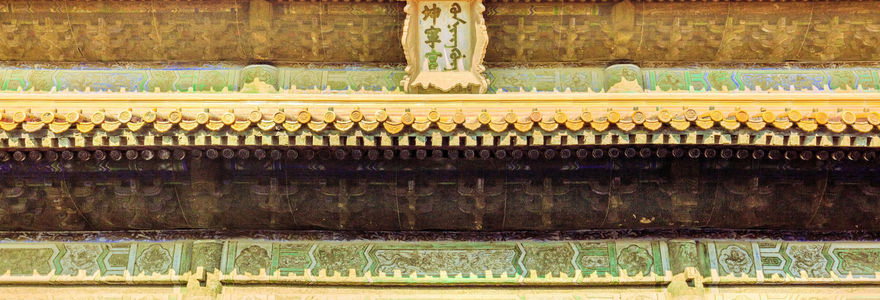
The Forbidden City covers a total area of 720,000 square meters, surrounded by tall, solid red palace walls, outside of which runs a wide and deep moat; the entire city is magnificent and impregnable. Folk legend has long held that the Forbidden City has 9,999 and a half rooms, signifying that it ranks second only to the 10,000 palaces of the heavenly court and symbolizing the emperor's supreme status while observing proper hierarchy; in reality, more than 9,000 ancient buildings survive, with halls, pavilions, and towers arranged in a staggered layout, all built with traditional mortise-and-tenon wooden structures without a single iron nail, and after centuries of wind and rain they remain sturdy and intact—a crowning achievement of ancient Chinese architectural craftsmanship.

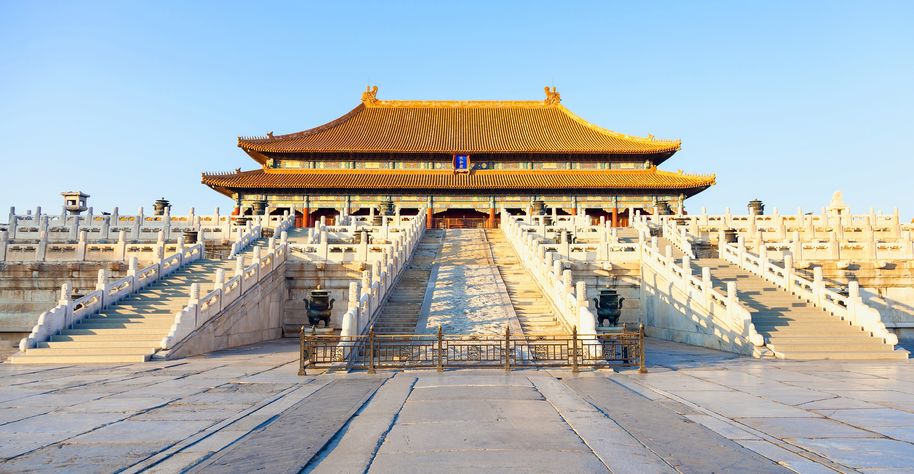
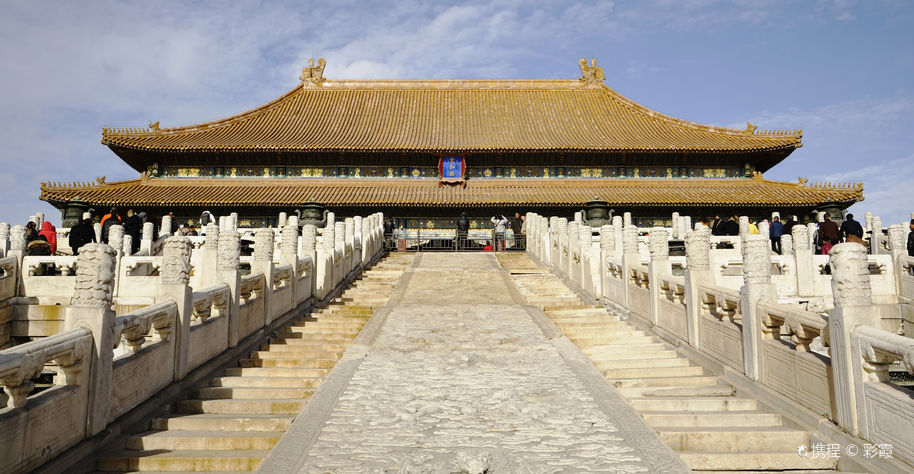
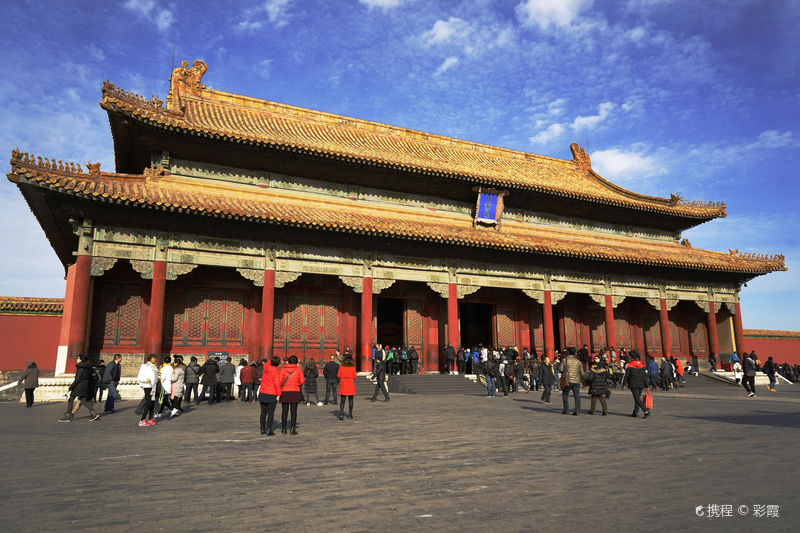
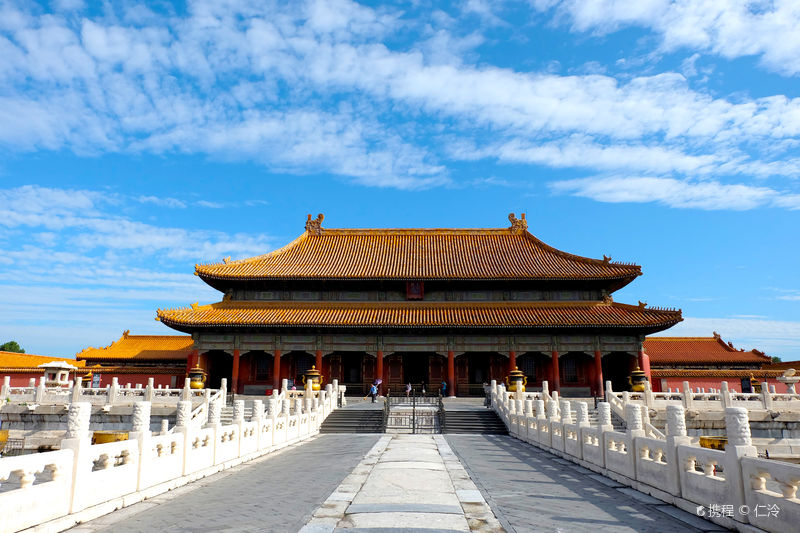
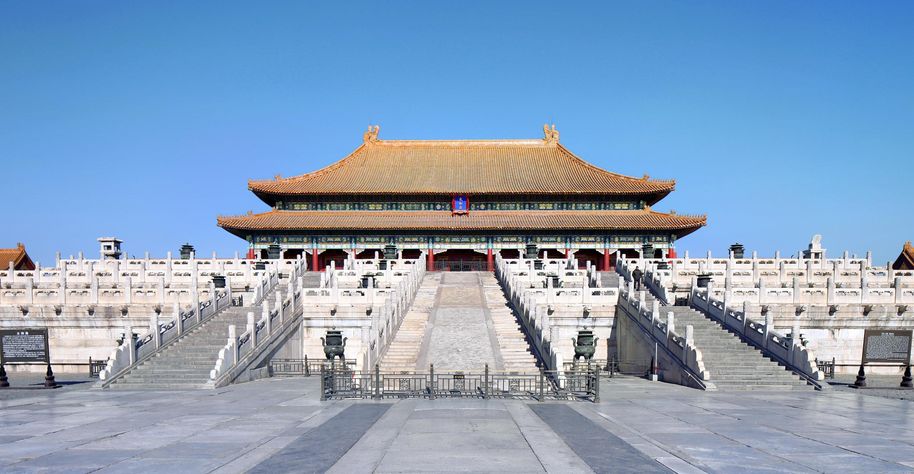
Hall of Supreme Harmony (Taihe Dian)
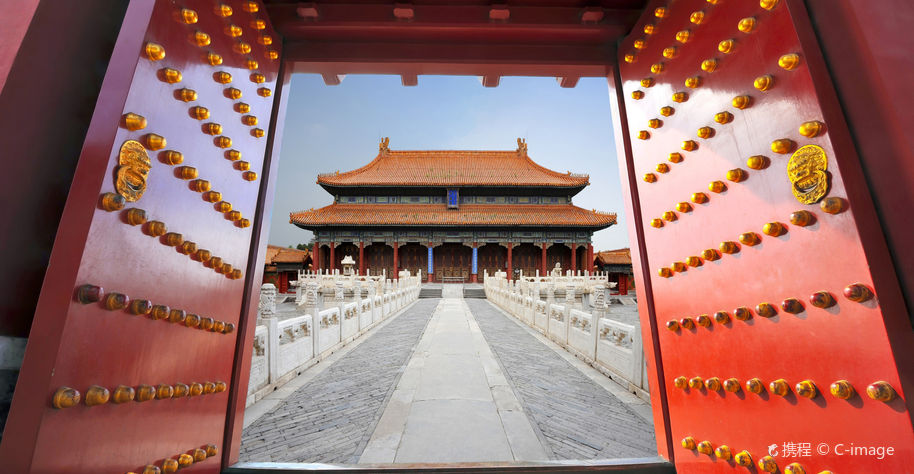
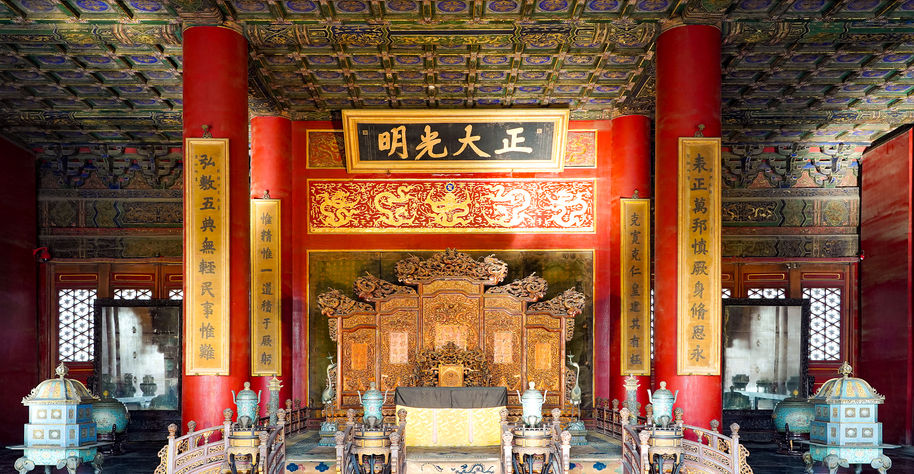
Commonly known as the Hall of Supreme Harmony (Taihe Dian), it is the largest, highest-ranking, and most elegant hall in The Palace Museum, standing atop a three-tiered white marble terrace. In ancient times, all top-level grand ceremonies were held here, such as the emperor's enthronement, the emperor's wedding, New Year's Day court congratulations, imperial birthday celebrations, and triumphal celebrations upon the return of a great army. Only high-specification events would activate this great hall. In the center of the hall sits the orthodox imperial dragon throne, the core symbol of imperial power throughout The Palace Museum.

Hall of Central Harmony (Zhonghe dian) is located in the center and features a compact, square design. It served as a place for the emperor to take a temporary rest, tidy his attire, silently review the ceremonial procedures, and preview sacrificial documents in advance before proceeding to the Hall of Supreme Harmony (Taihe Dian) for grand ceremonies, thus playing a connecting role.

Hall of Preserving Harmony (Baohe dian) In ancient times, it was mainly used for hosting royal banquets to entertain princes and nobles, civil and military ministers, and vassal kings of other ethnic groups; during the Qing Dynasty, the highest-level imperial examination, the palace examination, was held here, where scholars from all over the country competed to determine the zhuangyuan, bangyan, and tanhua, making it the supreme hall where ancient scholars realized their dreams of an official career.