




▲ The streetscape of old Shanghai

▲ This Spanish-style garden villa, built in 1932, features a visual composition of an asymmetrical ship-like facade, textured cement walls, and a gently sloping red-tiled roof. The highlight is the second-floor curved cast-iron balcony—its delicate arc breaks the building's symmetry, while the Italian-inspired semicircular design creates a dramatic scene under the shade of plane trees. Writer Chen Danyan likened it to "the balcony where Romeo would climb" in her book "Shanghai's Romance, Flowers, and Moonlight." The collision of literary imagination and architectural form has transformed it into a vessel of urban legend.

▲ From its completion in 1924 to the present day, the century-long transformation of residents at Wukang Mansion reflects profound changes in China's social structure and housing policies. Architectural highlight: Hungarian architect László Hudec ingeniously utilized the narrow plot, designing a ship-bow-shaped corner with "voyage" as the symbolic theme, making it one of Shanghai's early veranda-style apartment buildings.

▲ Great place for photos
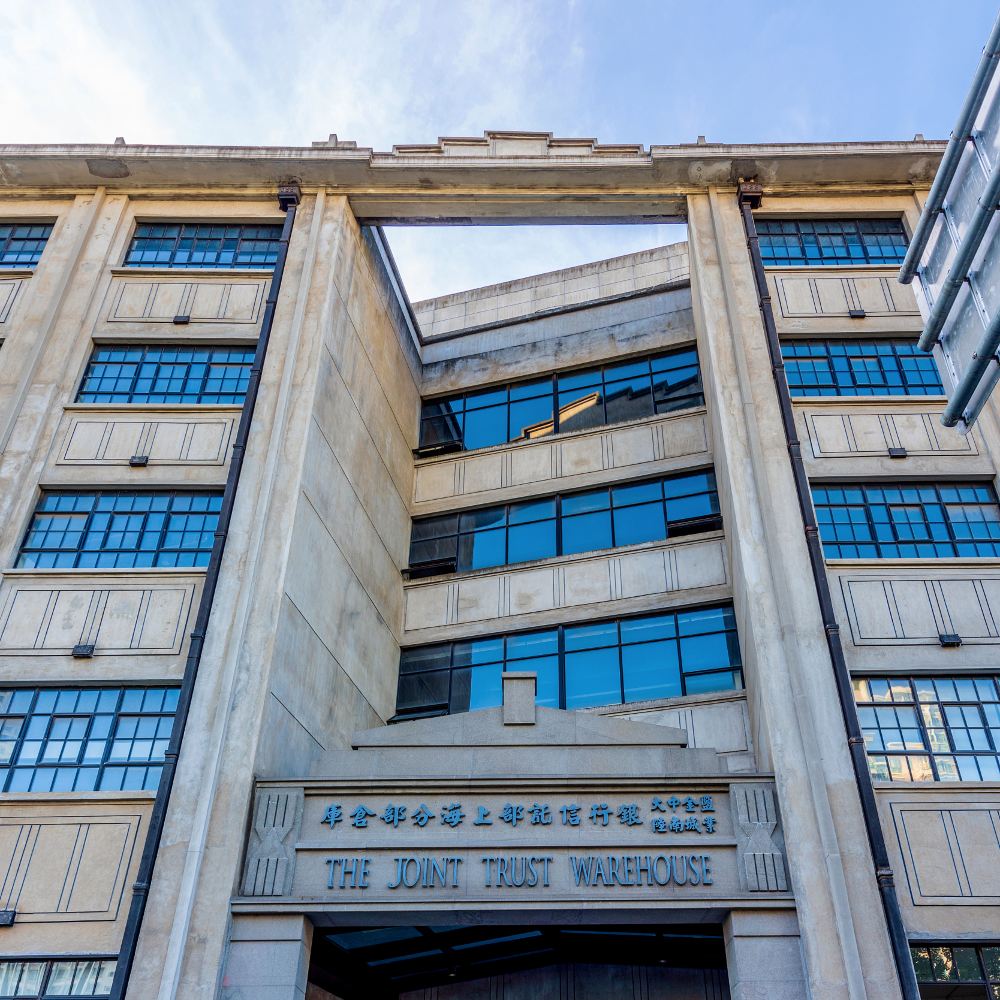

▲ The explanation of the name of Sihang warehouse.

▲ Immersive battlefield restoration: Real-scene interpretation of 430 bullet holes on the wall. The west wall of Sihang Warehouse became the main focal point of Japanese firepower due to its unique geographical location. The eastern and northern sides bordered foreign residential areas (such as the south bank of Suzhou Creek), preventing the Japanese army from using heavy weapons to avoid international disputes. In contrast, the west wall, being far from the constraints of Suzhou Creek's south bank, became the enemy's primary attack direction. During the Battle of Shanghai in October 1937, Xie Jinyuan led the "Eight Hundred Heroes" in defending this position for four days and nights. Utilizing the warehouse's high-ground advantage, they repeatedly repelled Japanese armored vehicles and infantry charges.

▲ Inscription at the Sihang warehouse anti-war memorial site.

▲ The films shot urgently on the battlefield have become precious materials for restoring the war situation; visitors stop to watch.

▲ During the defense of the sihang warehouse, two giant gas storage tanks of the British gas company stood on the south bank of Suzhou creek (located on the south bank of Suzhou creek), with a straight-line distance of only approx. 50 m from the sihang warehouse. The Japanese army, fearing that artillery shells might accidentally hit the gas tanks and cause a chain explosion affecting the south bank of Suzhou creek, was forced to abandon heavy artillery and aerial bombardment, and could only launch infantry assaults from the west and north sides, greatly limiting their firepower advantage. These gas tanks were facilities of the British gas company in Shanghai in the 19th century (formerly known as "the British gasworks"), making Shanghai the first city in Asia to use gas. Although their existence was built by the invaders, they objectively became a "natural shield" for the defending forces—the Japanese command explicitly ordered a ban on firing in the direction of the gas tanks to avoid international disputes.

▲ The children stopped in front of the oil painting depicting the defense of Sihang Warehouse amidst the smoke of battle.