


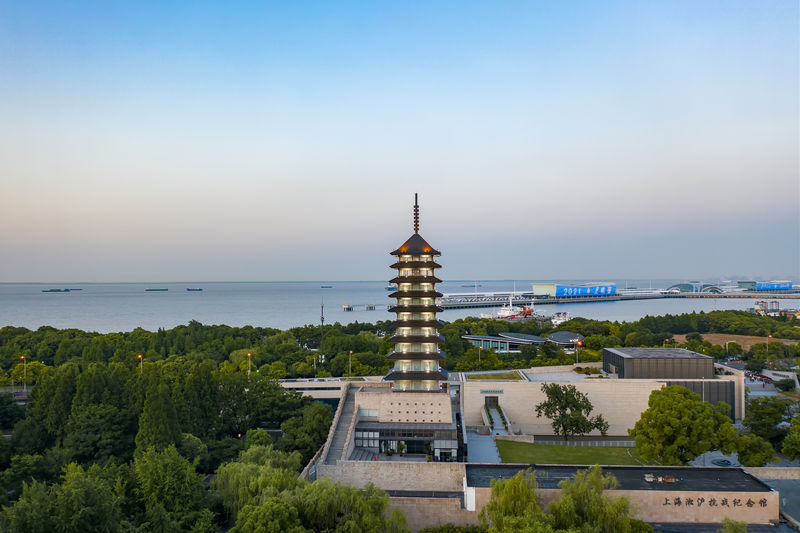
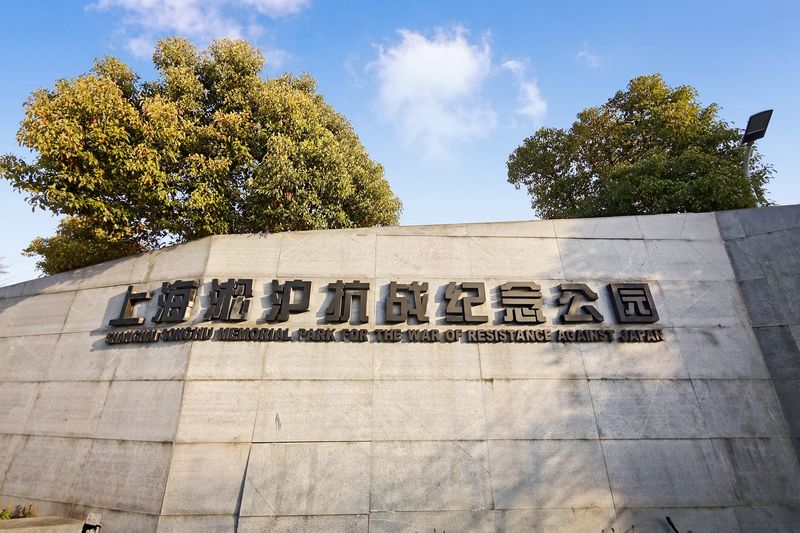
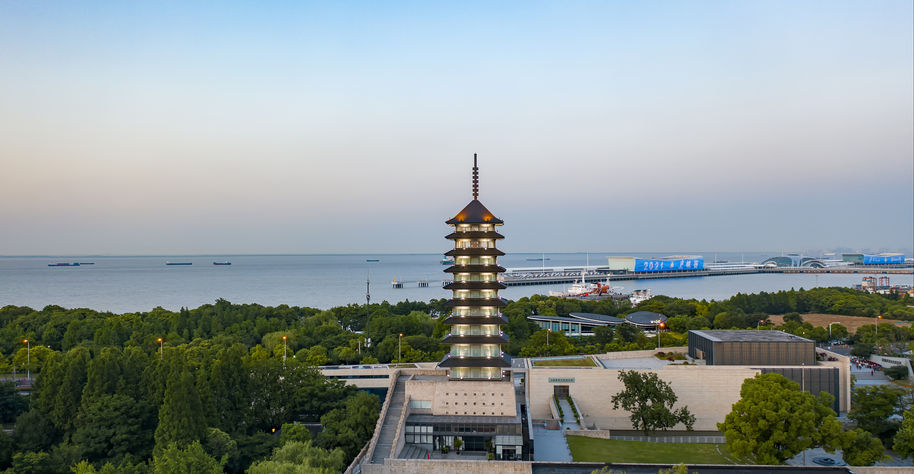
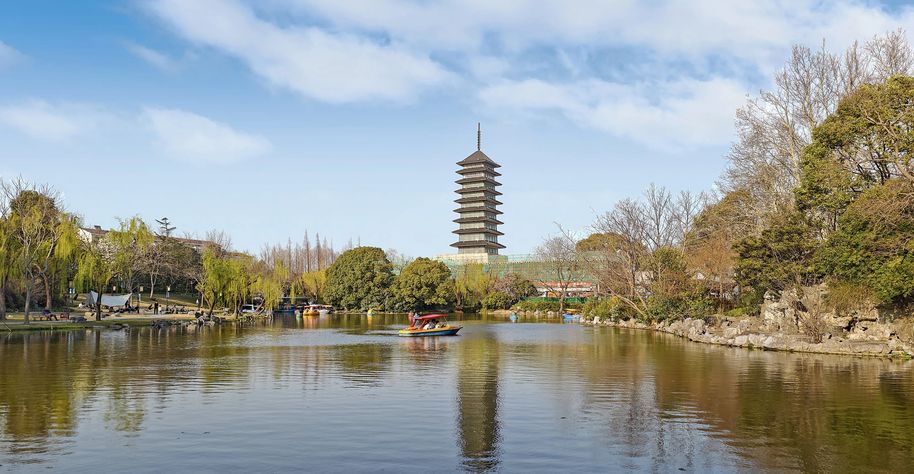


▲ Linjiang Park is located at No. 1 Youyi Road, Baoshan District (formerly known as Linjiang Park). It serves as an important memorial site for the 1932 "January 28th" Songhu Campaign and the 1937 "August 13th" Battle of Shanghai, as well as a commemorative park themed around these two battles and Shanghai's 14-year resistance war. The park, together with the Songhu Campaign Memorial Hall, forms a unique "museum-park integration" layout, covering a total area of 10.6 hectares. It was renamed after renovation in 2015.

▲ Enter from the west gate of the memorial park and head to the Songhu Campaign Memorial Hall near the east gate.


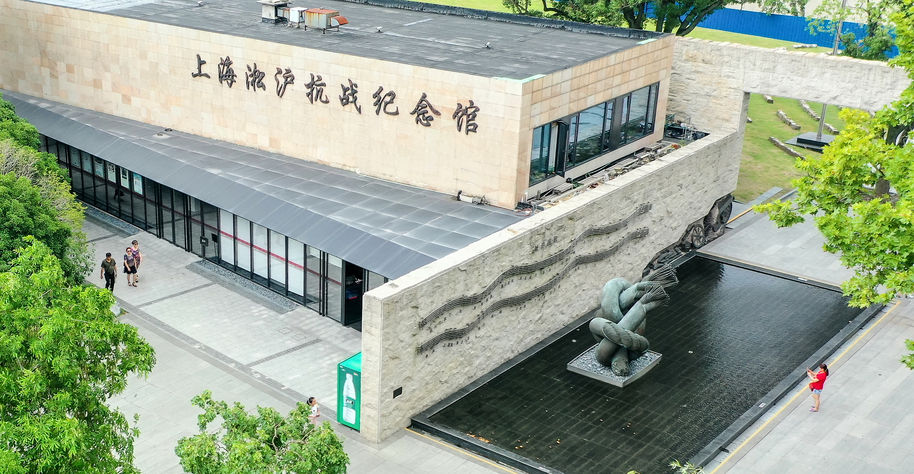
▲ The Songhu Campaign Memorial Hall in Shanghai is located in Linjiang Park, Baoshan District. As a national second-grade museum, it commemorates the bloody history of two Songhu Campaigns - the "January 28 Incident" in 1932 and the "August 13 Incident" in 1937. Featuring an integrated tower-museum architectural design with 3,490 square meters of core exhibition space, it conveys the national spirit of "Every Inch of Land Requires a Drop of Blood" through cultural relics, restored battle scenes, and interactive displays.


▲ This is the main entrance of the Songhu Campaign Memorial Hall near the roadside. Through this tour, visitors will explore the historical context of the Songhu Battle under the guidance of a professional guide, gaining a comprehensive understanding of the spirit behind "Every Inch of Land, Every Drop of Blood" from both macro strategies and micro stories.


▲ The park's core views include the remaining Dacheng Hall of Confucius Temple (originally built in the 12th year of Qianlong's reign), the Monument to the Sacrifice of Yao Ziqing's Battalion, and the granite sculpture "Gate of History" symbolizing the Anti-Japanese War spirit—amidst lush greenery after rain, visitors often spontaneously lay flowers to commemorate the heroes.

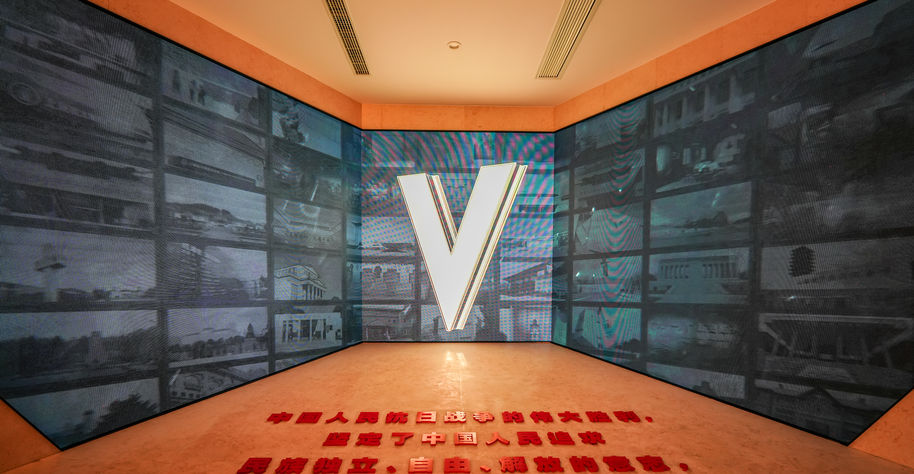
▲ At the site where Battalion Commander Yao Ziqing sacrificed his life in the Songhu Anti-Japanese War Memorial Park, visitors can pay tribute to the martyrs; inside the exhibition hall of the memorial museum, follow the guide to learn about key events such as the "Meat Grinder" Battle of Luodian and the defense of Baoshan County.


▲ Entering from the east gate of the Anti-Japanese War Memorial Park, visitors can see the Battery Square and the Monument Square. The elevated platform displays 19th-century heavy coastal defense guns (with barrels approximately 3 meters long), where the rust marks on the cannons are clearly visible. Nearby information plaques detail their involvement in the Opium War and the Battle of Shanghai. The design integrates "Formation of Dignity" and "sunken display windows," recreating the three-dimensional defense system of the battery through sloping terrain.

▲ The Shanghai Songhu Anti-Japanese War Memorial, located within the Anti-Japanese War Memorial Park, is a popular spot for group photos. In the open space in front of the monument, people of all ages can often be seen doing morning exercises, creating a harmonious scene that serves as a comforting tribute to the martyrs with its peace and happiness. The park is not only a historical memorial site but also a leisure space for citizens. Through designs like "Ripples of History," it awakens urban memories.


▲ After the enemy's relentless artillery bombardment, Shanghai South Railway Station lay in ruins with buildings completely destroyed. The victims were all ordinary civilians fleeing the war. The photo shows the surviving infant found at the time, whose family had perished.
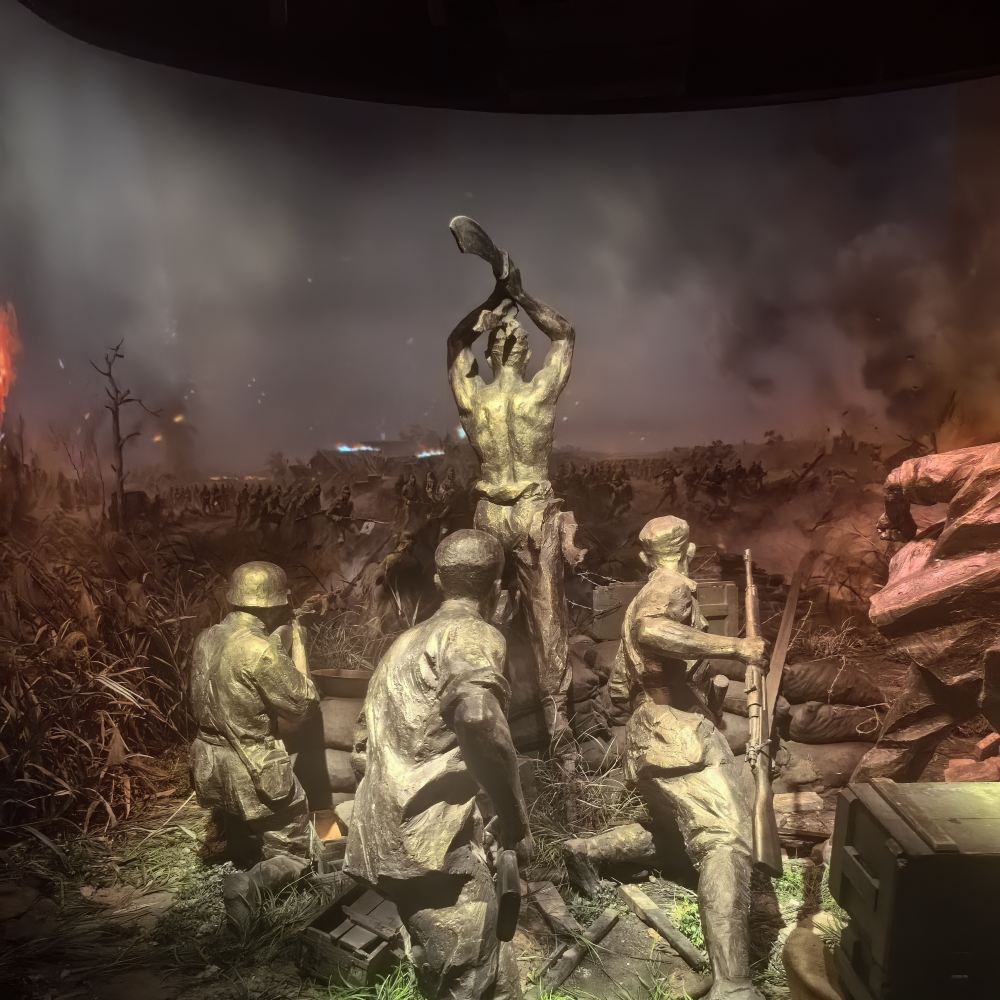

▲ Without air force or artillery superiority, Chinese soldiers seized the opportunity to engage in close combat with the enemy.
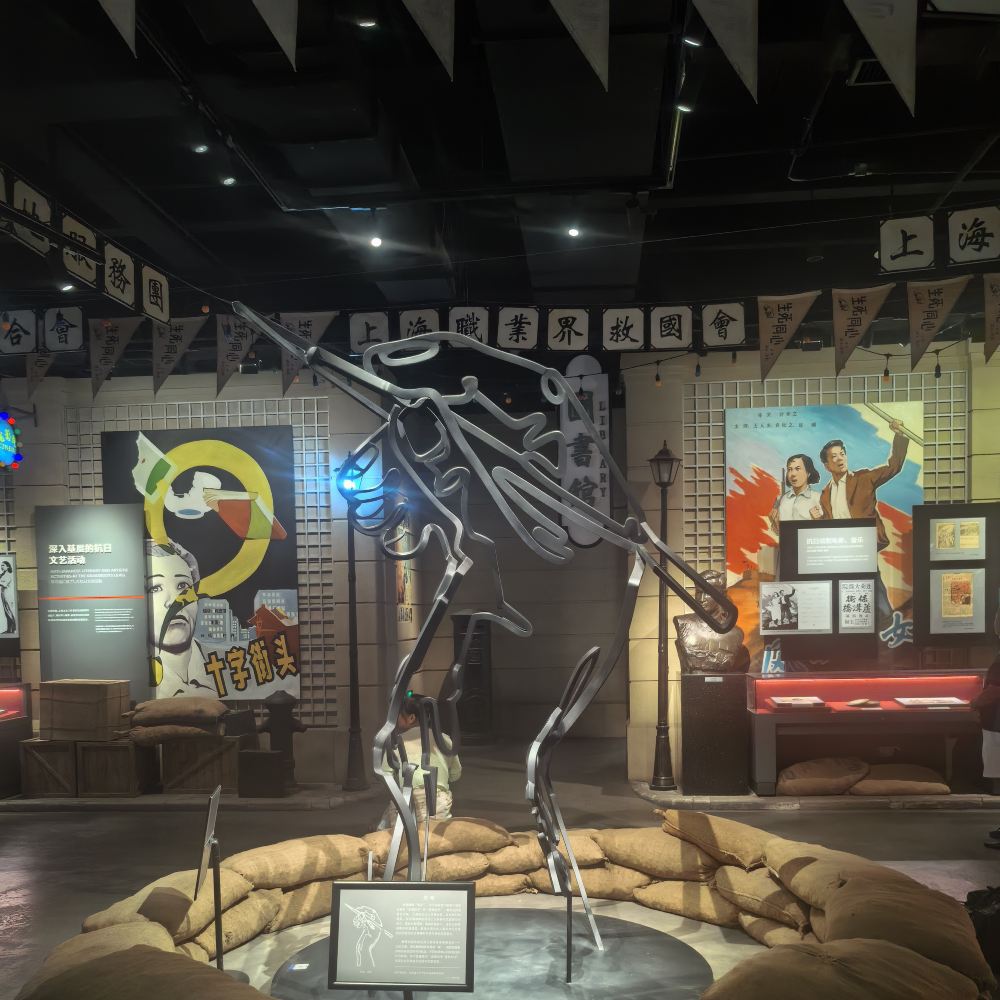

▲ The War of Resistance was not just a matter for the military; here, we showcase how the cultural and artistic circles participated in the resistance, with the pens of writers and artists serving as their weapons in the fight.
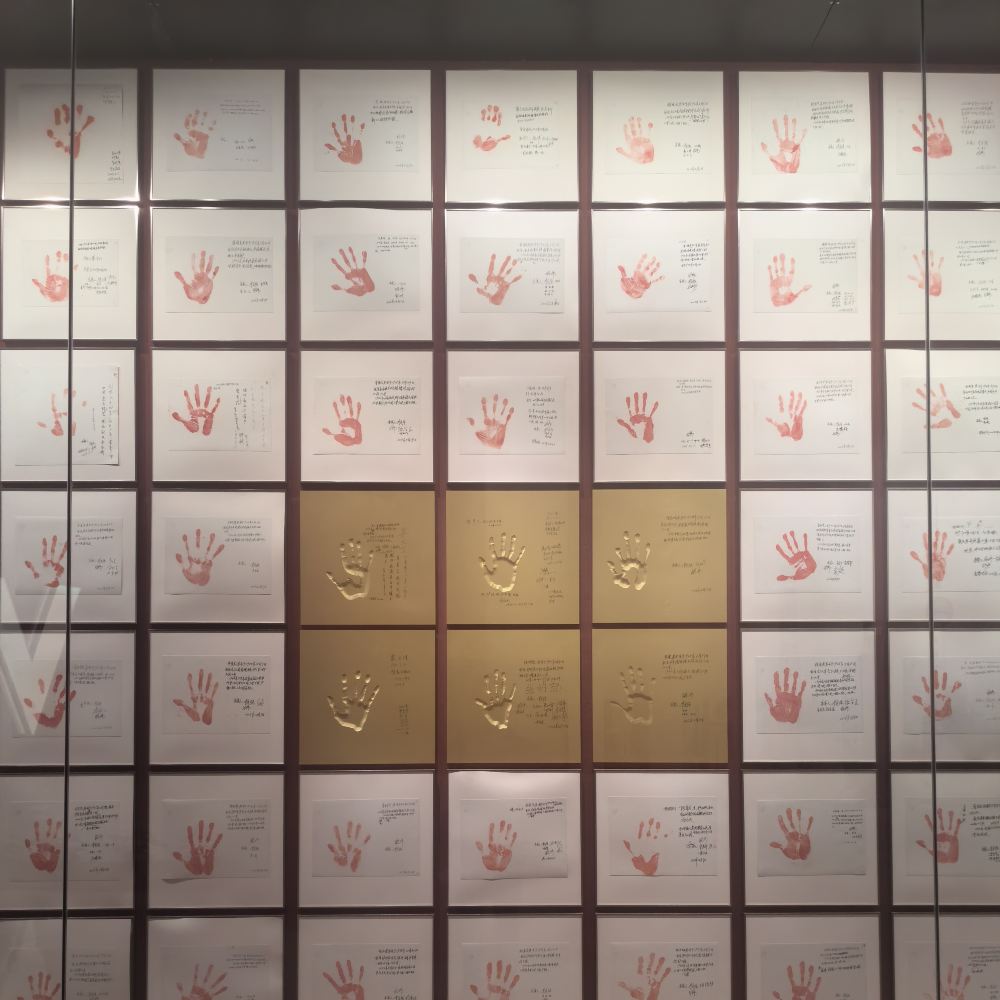

▲ Fortunately, the handprints of surviving veterans from the Battle of Shanghai.

▲ The Chen Huacheng Memorial Hall is located within the Anti-Japanese War Memorial Park.


▲ The Chen Huacheng Statue is located within the Anti-Japanese War Memorial Park.


▲ Better to die in battle than live as a*******of a conquered nation.