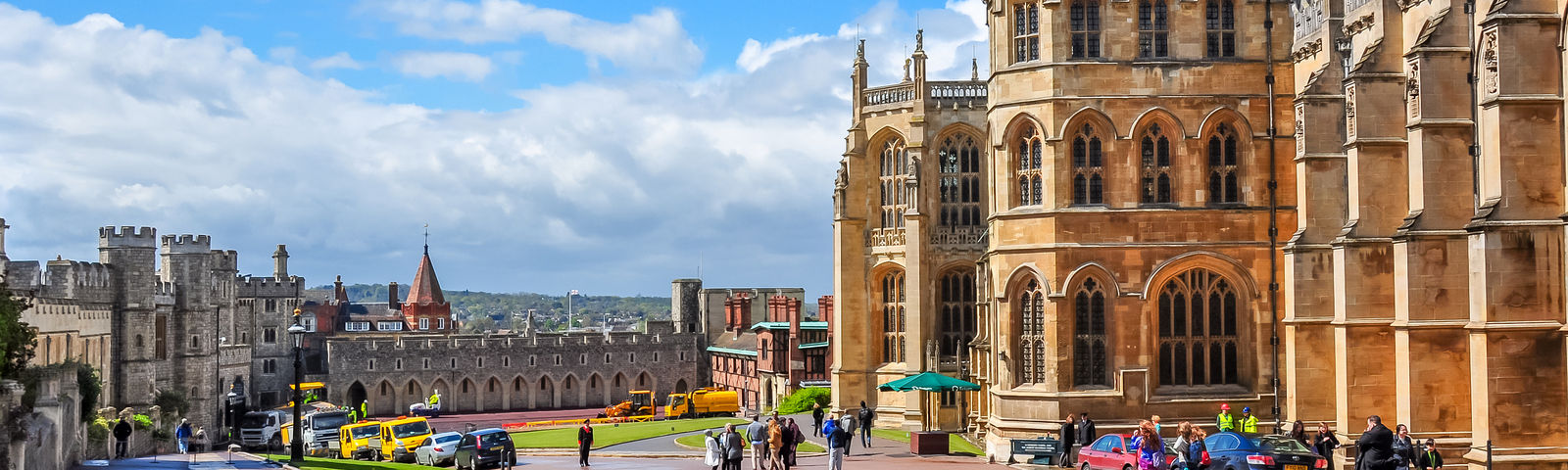
Top picks for Windsor Day tours
Discover 322 Day tours in Windsor on Trip.com, updated February 13, 2026, with experiences lasting from 1 to 13 hours. Find the perfect adventure for your day!
From KWD 24.39 per person, with an average total of KWD 63.21. Choose the option that suits your plan.
With 32.361k verified reviews, Day tours Windsor boast an average rating of 4.6.
This week's most popular Day tours: "Stonehenge, Windsor Castle, and Bath from London", with 10.217k reviews and a 4.7 rating.
Now on Trip.com: "Half-Day Tour to Stonehenge from London [Morning/Afternoon Options & Solo Traveler Friendly & Comfortable Coach]", a 6-hour adventure in Windsor!
The next available day tour departs on February 14, 2026. Book now to secure your spot!
Windsor Day tours usually take about 6 hours — perfect for a relaxed, immersive experience!
100% of Windsor Day tours now offer English-speaking guides
February is the perfect time to visit Windsor! Choose from Day tours available day tours, including seasonal favorites like Stonehenge, Windsor Castle, and Bath from London.
Your trip, worry-free! All day tours are run by licensed suppliers with verified reviews, and many include free cancellation before departure.
322 results for Windsor Day tours
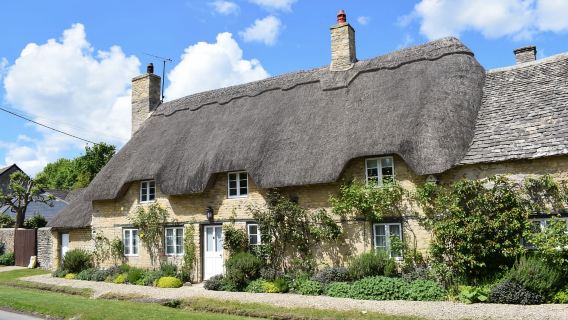
![Half-Day Tour to Stonehenge from London [Morning/Afternoon Options & Solo Traveler Friendly & Comfortable Coach]](https://ak-d.tripcdn.com/images/fd/tg/g1/M05/AF/3C/CghzflWk4vqAQGdzAGFWqQ97LTc159_C_568_320.jpg?_fr=wc) Trip.Select
Trip.Select 24 consecutive positive reviewsFree cancellationDuration: 6.1 hrs4.4/5Good· 54 reviews· 282 bookedFromKWD 24.390
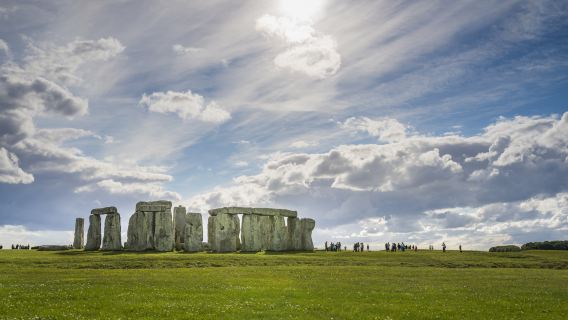 2.629k travelers savedFree cancellationBook now for todayDuration: 12.4 hrs4.4/5Good· 293 reviews· 724 bookedFromKWD 37.210
 Trip.Select94.4% of travelers recommendFree cancellationBook now for todayDuration: 690 mins4.7/5Very good· 2.4k reviews· 50 bookedFromKWD 37.930
 Trip.Select27 consecutive positive reviewsFree cancellationBook now for todayDuration: 11 hrs4.7/5Very good· 10.2k reviewsFromKWD 37.930
![Windsor Castle + Bath + Stonehenge Day Tour from London [Chinese/English/Japanese Guided | Round-Trip]](https://ak-d.tripcdn.com/images/0352712000raj783560DD_C_568_320.jpg?_fr=wc) Experience three British classics in one day with an immersive journey through a thousand years of history.Free cancellationDuration: 5.5 hrsFromKWD 41.290
Experience three British classics in one day with an immersive journey through a thousand years of history.Free cancellationDuration: 5.5 hrsFromKWD 41.290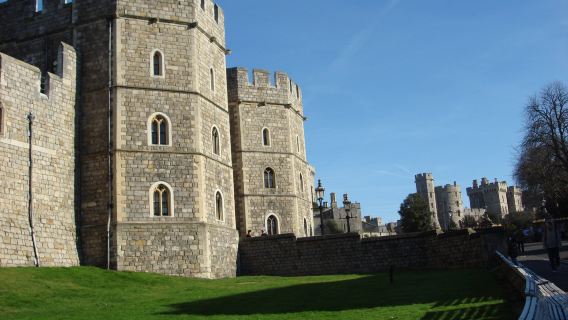 Explore the grandeur of Windsor Castle and uncover the mysteries of StonehengeFree cancellationDuration: 4 hrsFromKWD 74.320
![London Windsor Castle + Stonehenge + The Roman Baths [Bookable for one person + Chinese/English/Japanese guide]](https://ak-d.tripcdn.com/images//0580q12000qugxan597FC_C_568_320.jpg?_fr=wc) 82 travelers savedFree cancellationDuration: 13 hrs4.7/5Very good· 9 reviews· 82 bookedFromKWD 37.490
82 travelers savedFree cancellationDuration: 13 hrs4.7/5Very good· 9 reviews· 82 bookedFromKWD 37.490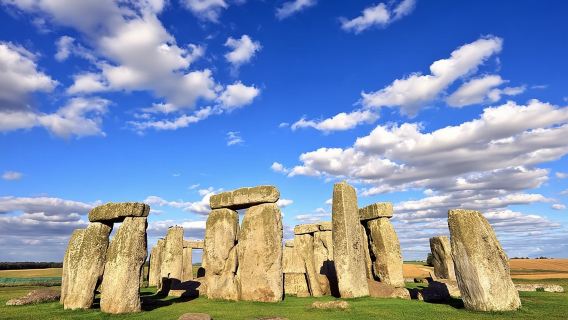 90% of travelers recommendFree cancellationBook now for todayDuration: 11 hrs4.6/5Satisfied· 3.9k reviews· 38 bookedFromKWD 37.930
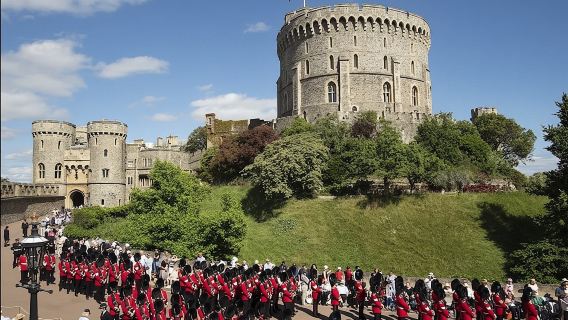 93.3% of travelers recommendFree cancellationBook now for todayDuration: 690 mins4.7/5Very good· 3.6k reviews· 24 bookedFromKWD 37.930
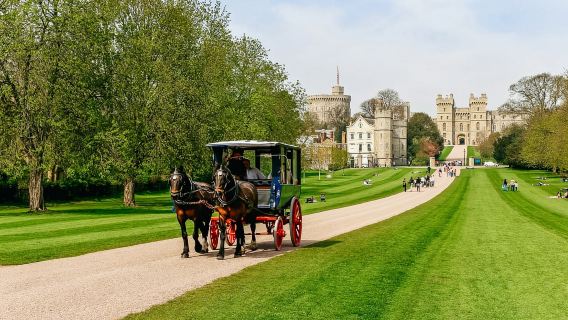 Enjoy entry to Windsor Castle State ApartmentsFree cancellationDuration: 11–12 hrs4.5/5Satisfied· 1.1k reviews5% offLimited-time saleFromKWD 35.360KWD 37.23
 Enjoy a tasty meal of fish and chips, if option bookedFree cancellationBook now for todayDuration: 6.5 hrs4.6/5Satisfied· 320 reviews5% offLimited-time saleFromKWD 37.740KWD 39.73
 Access top London things to do, bus and river tours, historic attractions and moreFree cancellationEnglish4.5/5Satisfied· 130 reviews5% offLimited-time saleFromKWD 43.300KWD 45.58
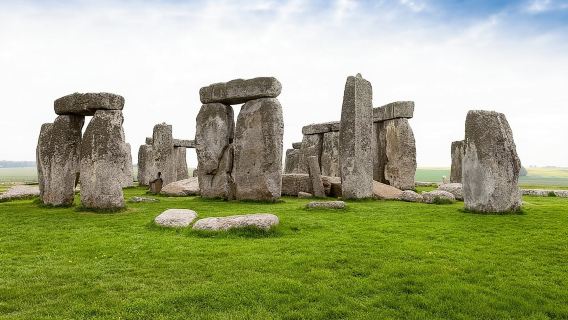 Free cancellationDuration: 750 mins4.5/5Satisfied· 8.5k reviewsFromKWD 37.930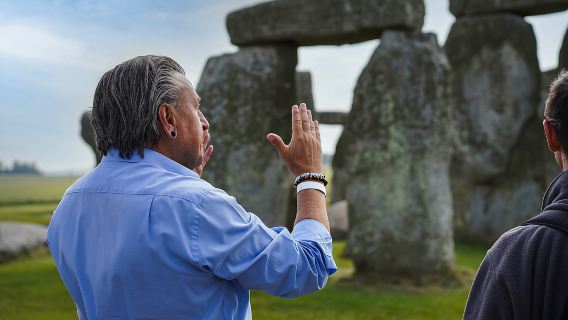
Stonehenge + Bath + Windsor Castle day tour|Comfortable minivan|Includes Stonehenge admission ticket
Prehistoric human ruins + Ancient Roman-era old town + Windsor Royal Castle - explore three iconic landmarks of British history in just one day!Free cancellationDuration: 7 hrsFromKWD 68.290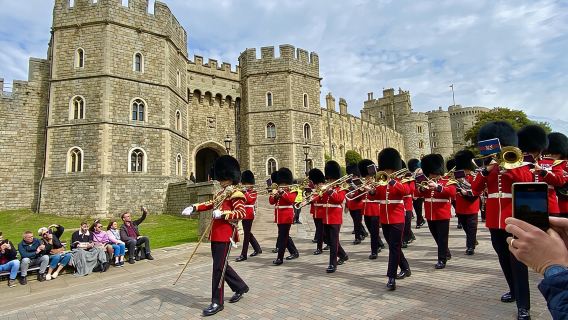 94.5% of travelers recommendFree cancellationDuration: 12 hrs4.7/5Very good· 637 reviews· 21 bookedFromKWD 37.930
![1-day tour to Windsor Castle + Stonehenge + The Roman Baths [Private Charter Route I Chinese Guide]](https://ak-d.tripcdn.com/images/0352v12000hkh31h9BD96_C_568_320.png?_fr=wc) Private Tour with Chartered Vehicle | Bilingual Driver-Guide (Chinese & English) | Customizable ItineraryFree cancellationDuration: 7.9 hrsFromKWD 215.980
Private Tour with Chartered Vehicle | Bilingual Driver-Guide (Chinese & English) | Customizable ItineraryFree cancellationDuration: 7.9 hrsFromKWD 215.980![1-day tour to Windsor Castle + Stonehenge + The Roman Baths [Private Charter Route I Chinese-English Guide]](https://ak-d.tripcdn.com/images/100h0x000000lftagB133_C_568_320.jpg?_fr=wc) Private Tour with Chartered Vehicle | Bilingual Driver-Guide (Chinese & English) | Customizable ItineraryFree cancellationDuration: 6.2 hrsFromKWD 230.200
Private Tour with Chartered Vehicle | Bilingual Driver-Guide (Chinese & English) | Customizable ItineraryFree cancellationDuration: 6.2 hrsFromKWD 230.200![London Windsor Castle, Stonehenge, Lacock and Bath 1-day tour [English-speaking group]](https://ak-d.tripcdn.com/images/0352y12000ocv9pfqA042_C_568_320.jpg?_fr=wc) Discover the best of England in one day: Explore 900 years of royal history at Windsor Castle, unravel the 5,000-year prehistoric mystery of Stonehenge, and immerse yourself in a journey through royalty and ancient wonders.Free cancellationDuration: 7.6 hrsFromKWD 81.180
Discover the best of England in one day: Explore 900 years of royal history at Windsor Castle, unravel the 5,000-year prehistoric mystery of Stonehenge, and immerse yourself in a journey through royalty and ancient wonders.Free cancellationDuration: 7.6 hrsFromKWD 81.180 Explore the mysterious Stonehenge rock formations and uncover its enigmatic structureDuration: 6.5 hrsFromKWD 52.840
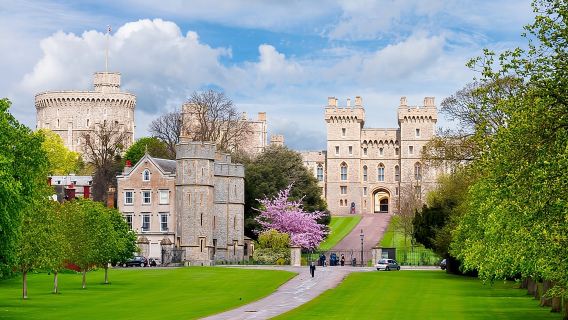 Trip.Select90.3% of travelers recommendFree cancellationBook now for todayDuration: 630 mins4.6/5Satisfied· 1k reviews· 25 bookedFromKWD 34.140
 872 travelers savedFree cancellationBook now for todayDuration: 10 hrs4.4/5Good· 89 reviews· 43 bookedFromKWD 39.510
![Windsor Castle Day Tour from London, UK [Available for 1 Person/Includes Round-Trip Air-Conditioned Bus]](https://ak-d.tripcdn.com/images/0355w12000pv98gdjB1C1_C_568_320.jpg?_fr=wc) Modern and comfortable air-conditioned bus round-trip to Windsor, eliminating the hassle of train transfers; bookings available for 1 person, travel anytime.Free cancellationDuration: 5.5 hrsFromKWD 28.850
Modern and comfortable air-conditioned bus round-trip to Windsor, eliminating the hassle of train transfers; bookings available for 1 person, travel anytime.Free cancellationDuration: 5.5 hrsFromKWD 28.850![UK Windsor Castle + Stonehenge 1-day tour [Free breakfast pack included/Chinese, English & Spanish guide]](https://ak-d.tripcdn.com/images/0350o12000mpsjj14F97D_C_568_320.jpg?_fr=wc) Professional multilingual guides lead the tour, with air-conditioned buses taking you effortlessly through classic UK day tour routes. Free cancellation available with 1 day's notice for more flexible travel arrangements.Free cancellationDuration: 10 hrs3.5/5· 2 reviewsFromKWD 41.020
Professional multilingual guides lead the tour, with air-conditioned buses taking you effortlessly through classic UK day tour routes. Free cancellation available with 1 day's notice for more flexible travel arrangements.Free cancellationDuration: 10 hrs3.5/5· 2 reviewsFromKWD 41.020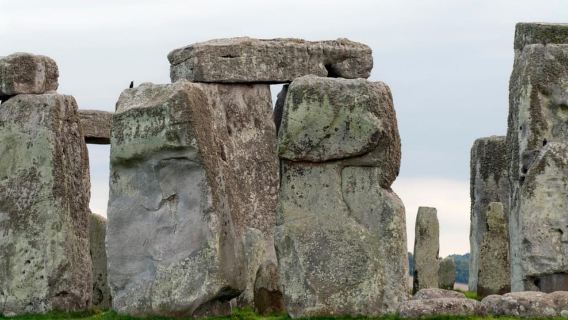 Enjoy exclusive inner circle access at Stonehenge & stand among ancient stonesFree cancellationDuration: 12 hrs5.0/5Excellent· 7 reviews5% offLimited-time saleFromKWD 55.240KWD 58.15
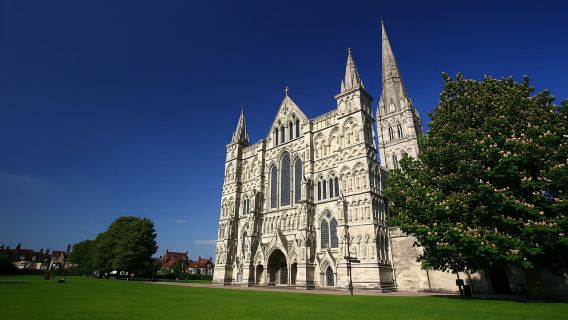 95.1% of travelers recommendFree cancellationDuration: 9 hrs4.8/5Very good· 41 reviewsFromKWD 84.730
 70 consecutive positive reviewsFree cancellationDuration: 7 hrs4.9/5Excellent· 70 reviews5% offLimited-time saleFromKWD 33.780KWD 35.56
![Windsor Castle + Bath + Stonehenge + Lacock 1-day tour [optional admission ticket and lunch included]](https://ak-d.tripcdn.com/images//0583e12000njmapxq5746_C_568_320.jpg?_fr=wc) 1-day tour of England's 4 iconic attractions, a great way to quickly experience British history and culture!Free cancellationDuration: 10 hrs4.3/5Good· 3 reviewsFromKWD 41.810
1-day tour of England's 4 iconic attractions, a great way to quickly experience British history and culture!Free cancellationDuration: 10 hrs4.3/5Good· 3 reviewsFromKWD 41.810![1-day tour to Windsor Castle + Stonehenge + University of Oxford [private charter route I Chinese/English-speaking driver-guide]](https://ak-d.tripcdn.com/images//0580512000n1aguzq964F_C_568_320.jpg?_fr=wc) Private tour & private chartered tour | Bilingual driver-guide | Customizable itineraryFree cancellationDuration: 9.2 hrsFromKWD 203.530
Private tour & private chartered tour | Bilingual driver-guide | Customizable itineraryFree cancellationDuration: 9.2 hrsFromKWD 203.530
Explore top experiences
See what other travellers love, based on ratings and bookings
Frequently asked questions about Windsor Day tours
How many Day tours are available in Windsor on Trip.com?
What are the best Day tours in Windsor?
What are the top-rated Day tours in Windsor?
What are the recommended itineraries in Windsor?
How can I contact Trip.com customer support?
Can I change or cancel my booking?
How can I get discounted prices?
Reviews/Trip Moments
Trip.com Picks
Popular Windsor Tours
Best Windsor Experiences
Popular Products
Popular Activities
More Popular Destinations


About






of the year 2025
Site Operator: Trip.com Travel Singapore Pte. Ltd.