Maximum group size: 5


View all 12 photos
Shanghai Museum East Hall half-day tour: cultural decoding with professional tour guide service including headsets
2 booked
Join-in tour/Private tour
Meet at meeting point
Free cancellation by 17:00, 1 day before the date of use
From
₹ 16,502.31
per group
Select package
Highlights
15-person premium small group: Strictly controlled group size, with headsets provided throughout the tour to ensure noise-free communication, enhancing listening clarity and interaction depth.
Addressing common exhibition challenges (difficulty understanding bronze artifacts' significance, logic behind painting and calligraphy allusions); professional guided tours reveal the craftsmanship and historical context behind cultural relics.
Experienced guides with rich expertise, delivering professional and engaging buided commentary. The 2-hour express tour covers the core historical context of artifacts, ensuring a meaningful experience beyond superficial sightseeing.

Package and price
Date of use
2026-11-28
2026-11-29
2026-11-30
All
Local timeCurrency: USDPrices shown are the lowest prices for the current date
Package
2-hour private tour guide service for the Bronze Gallery in English
FromUS$16,502.31
Quantity
Private group
Additional travellers
0
Booking information
FromUS$16,502.31
per group
Book now
Product details
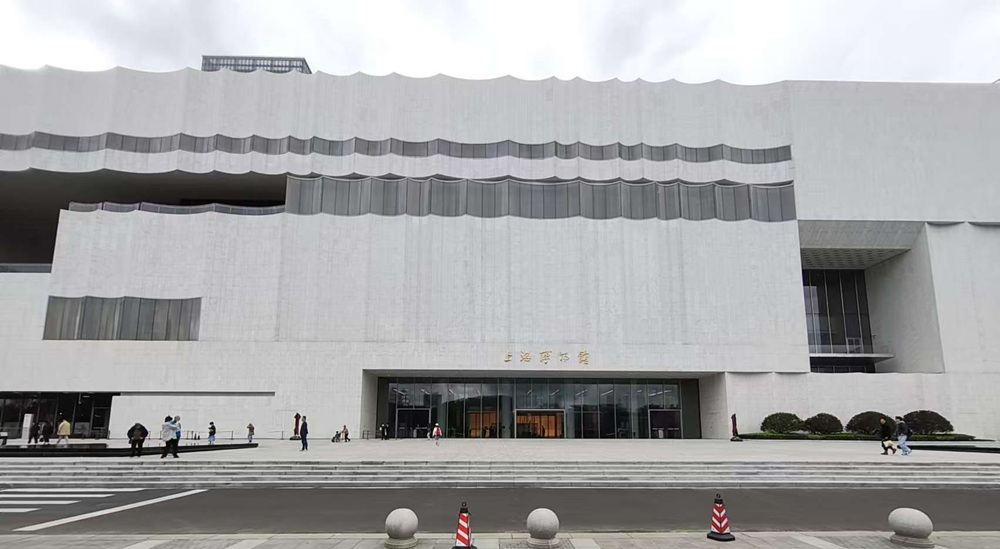
▲ Shanghai Museum East Wing New Exhibition Hall (Opening in 2025): Time span: Features 500+ selected artifacts covering 3,600 years of bronze history from the Xia Dynasty to the late Qing Dynasty, including nearly 100 newly displayed pieces. Technology integration: X-ray CT scans reveal bronze casting techniques, with dynamic demonstrations of the "lost-wax method" restoration process. Academic value: Comprehensive system: The bronze-themed hall is organized into six periods—emergence (Xia), peak (Shang-Zhou), renewal (Qin-Han), and more. Inscription treasury: 40% of exhibits bear inscriptions, such as the 290-character Da Ke Ding and 111-character Guo Ji Zi Bai Pan, providing evidence of ancient rituals and social changes.
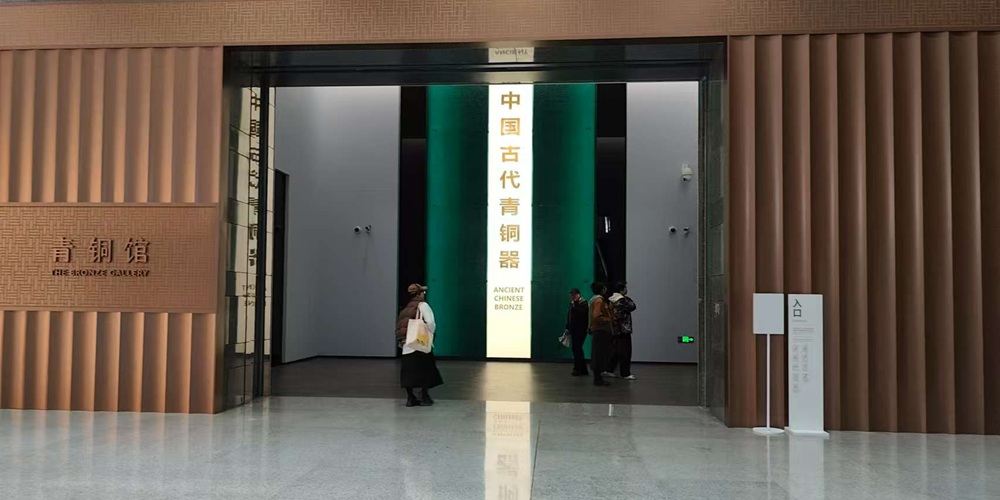
▲ The Bronze Gallery is a core permanent exhibition at the Shanghai Museum, showcasing over 400 bronze treasures spanning from the Xia, Shang, and Zhou dynasties to the Qin and Han periods, including prized collections like the Da Ke Ding. The exhibits are categorized by function - ritual vessels, musical instruments, weapons, and more - with multimedia displays explaining the religious and power symbolism behind bronze motifs. By juxtaposing artifacts with their inscription rubbings, the gallery vividly demonstrates the "rituals embodied in vessels" characteristic of China's Bronze Age civilization.

▲ Da Ke Ding (Western Zhou Dynasty) Triple significance: Alongside the Da Yu Ding from the National Museum of China and the Mao Gong Ding from the Taipei Palace Museum, it is hailed as one of the "Three National Treasures of Bronze." Among the first batch of cultural relics prohibited from overseas exhibition, its 290-character inscription on the belly documents land system reforms. Layered decorative motifs: animal masks (symbolizing divine authority) + wave/scroll patterns (representing nature worship), reflecting the ideological transformation of the Zhou people.
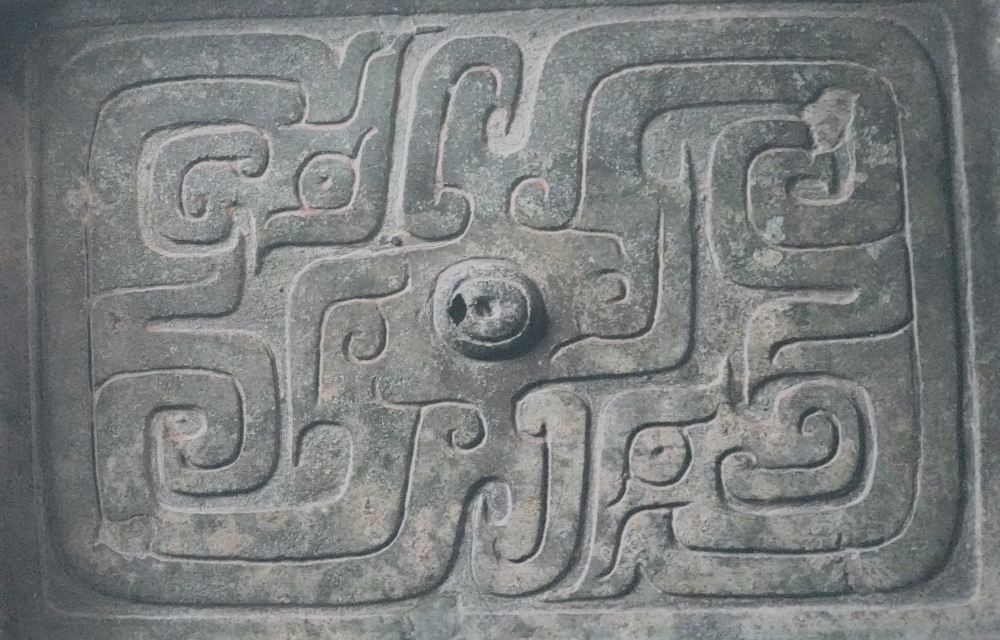
▲ Wave pattern/steal curve pattern (nature worship)
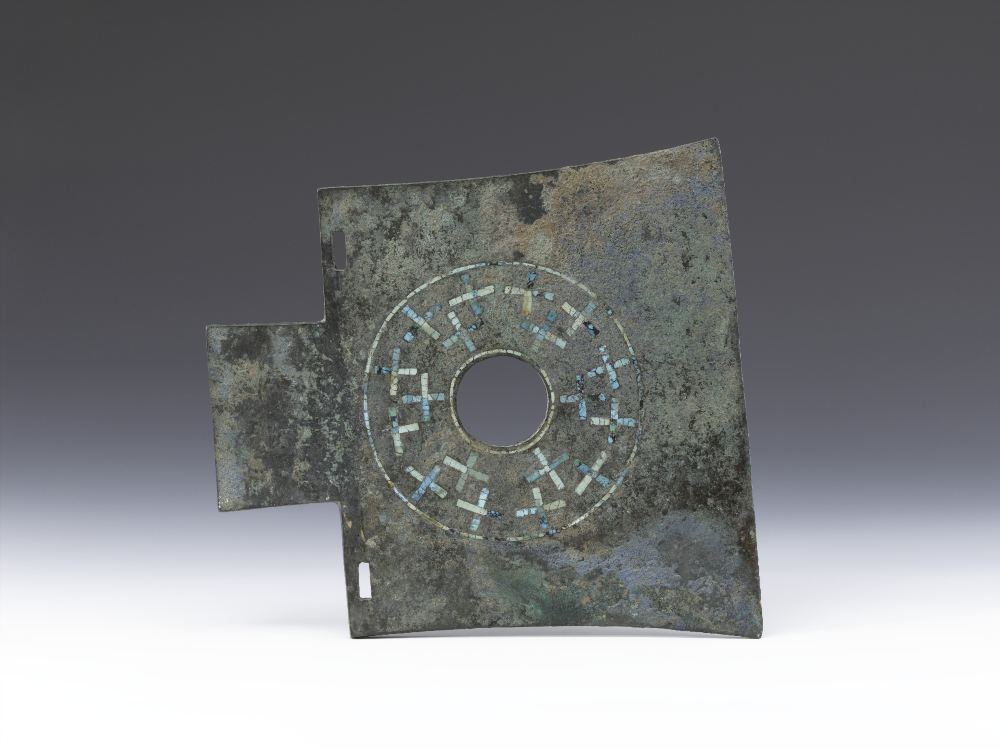
▲ The yue is a long-handled, curved-blade weapon used for slashing and also served as an execution tool, as evidenced by many bronze inscriptions depicting decapitation with this implement. However, some yue specimens are notably large and heavy, featuring blunt, unsharpened edges without any signs of use, suggesting they were ceremonial objects. Such ritual yue are typically excavated from tombs containing exquisite ceremonial artifacts, symbolizing sovereign or military authority.


▲ Shang Yang's Standard Measure (Warring States Period) The sole evidence of reform: The inscription on the bottom, "In the 18th year, the officials of Qi came to visit," confirms Shang Yang's historical unification of weights and measures, making it the earliest surviving standard measuring vessel.


▲ Shell containers • These are iconic and distinctive artifacts among Yunnan-style bronze ware. Cowrie shells were extremely rare in ancient inland regions and often served as currency. • The lids of these containers are adorned with three-dimensional figures, featuring a wide variety of motifs. The Dian people frequently used animal designs like oxen and tigers. Scenes of daily life and ritual ceremonies also appear, with some lids depicting over a hundred human figures.

▲ The Zizhong Jiang Pan (Spring and Autumn Period) Mechanical marvel: The pan features 360° rotating three-dimensional water birds and frogs, crafted using the lost-wax hollow casting method, which rotate when struck by flowing water.

▲ Jin Hou Su Bells (Western Zhou Dynasty) Musical evidence of rituals: The set of 16 chime bells bears a 355-character inscription recording King Li of Zhou's personal military campaign. Initially suspected as forgeries due to their chiseled (rather than cast) inscriptions, their authenticity was later confirmed through archaeological excavations.

▲ 4. The Xi Zun (Wine Vessel) From its structure, this is a wine warmer shaped like a water buffalo. The hollow belly of the buffalo features three openings on its neck and spine. The central opening holds a removable pot-shaped vessel for storing wine, while the two side openings are empty, with their lids now lost. Hot water could be poured into the vessel, confirming its use as a wine warmer. • Animal-shaped wine vessels like this zun are a distinctive feature of Chinese bronze ware. This piece exudes a sense of stability, with its short legs balanced by the dynamic, tension-filled horns and wide, round eyes that lend realism, harmonizing form and function. • A ring pierced through the buffalo's nose indicates that nose-ringing was already practiced to tame cattle during the Spring and Autumn period, making this artifact valuable for studying the history of livestock domestication in China.

▲ Elephant statue.
Show less
Change & cancellation policies
If a cancellation request is submitted before 17:00, 1 day(s) prior to the date of use, no cancellation fee will be charged.
If a cancellation request is submitted before 20:59 1 day(s) before the date of use, a fee of 30% will be charged.
A fee of 100% will be charged for cancellations requested before 23:59 on the day of date of use.
Some information on this page is provided by AI translation
FAQ
Popular Day tours in Shanghai
Hangzhou Lingyin Temple + West Lake Cruise + Leifeng Pagoda Day Trip, including Buffet Afternoon Tea and Song Dynasty Tea Ceremony.,Limited-time special offer! | Shanghai Circus World - ERA2 Time Travel Acrobatic Show Tickets,Shanghai Sihang Warehouse Battle Memorial (including Jinyuan Memorial Square) 1.5-hour Chinese/English guide optional,More
Can I change or cancel my booking?
Please confirm the details on the product details page, as cancellation and change policies depend on the specific product
How can I get discounts?
We suggest keeping an eye on price changes, as prices can vary between working days and weekends as well as during peak and off-peak seasons. We also recommend using Trip Coins and Trip discounts for your purchases. For the latest discounts, visit Trip.com.
Trip.com picks
Popular Shanghai Tours
Best Shanghai Experiences
Popular Destinations
China Shanghai private charter airport transfers / Shanghai Pudong Airport / airport pick-up and drop-off private charter serviceBest of Shanghai France concession the Bund and Yuyuan GardenShanghai Metro Line 14: Jingan Temple + Xintiandi + Yu Garden + Oriental Pearl Radio & Television Tower + Huangpu River CruiseShanghai Xuyan imperial lunch banquet + Bund sightseeing + Huangpu River night cruiseShanghai Huangpu River Night Cruise Ticket includes a buffet dinner; you can choose between the Dragon Boat or the Crystal Princess cruise ship at Pier 3, Shiliupu.Shanghai Suzhou Creek cruise + M50 Creative Park + Tian An 1000 TreesDiscover Old Shanghai on an Electric Moped Tickets for Shanghai's must-see ERA Acrobatic Show | Circus City QR Code Admission | Shanghai Future Tech Discovery – AI & Robotics Half-Day TourYu garden + Shanghai city god temple + Shanghai city god temple tourist area multilingual guide optional at least 2-hour guideShanghai Wild Animal Park Safari Guide Service | Family Package OptionsOne-day time travel: Shanghai eternal love performance tour + dynamic "Along the River During the Qingming Festival"Shanghai Zhujiajiao Water Town Day Tour+Boat Ride+Local Lunch+Guide and CarShanghai Food and Culture Tour Shanghai Romance Park Day Trip + 5D Immersive Show + Interactive Attractions / Optional Audience Seating or VIP Seating
Shanghai Spa & MassageShanghai Travel EssentialsShanghai Yacht CharterShanghai ActivitiesShanghai Travel ServicesWellness & Spa in ShanghaiShanghai Costume ExperienceShanghai SIM CardShanghai Bus TicketsShanghai TransportationShanghai Airport ServicesShanghai Day ToursShanghai Cultural ExperienceThings to do in ShanghaiThings to do in BeijingThings to do in Hong KongThings to do in OsakaThings to do in ZhangjiajieThings to do in SingaporeThings to do in ChongqingThings to do in TokyoThings to do in GuangzhouThings to do in Xi'anThings to do in ChinaThings to do in JapanThings to do in ThailandThings to do in VietnamThings to do in South Korea