
Things to do in Harbin
Explore top experiences
Top 10 attractions in Harbin


Harbin Ice-Snow World
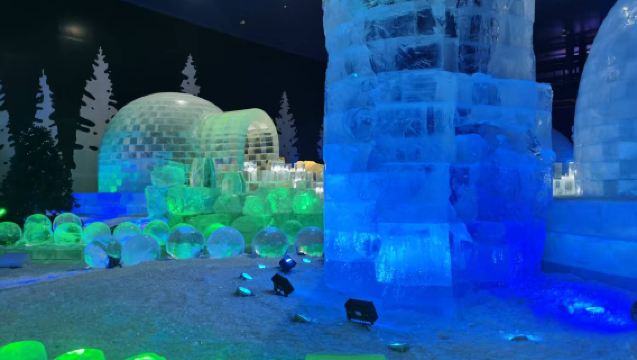
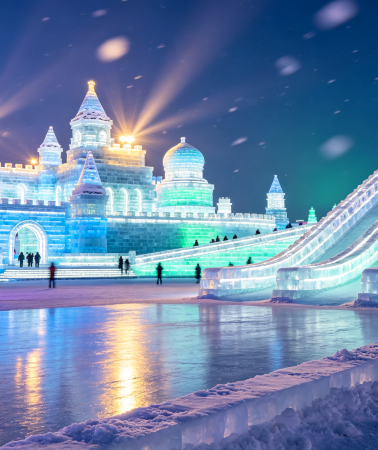
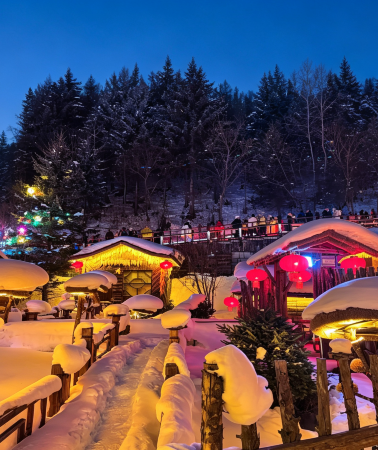
Harbin Ice-Snow World: A year-round winter wonderland Who says ice and snow can only be enjoyed in winter? China Harbin Ice And Snow World breaks seasonal barriers, offering immersive ice and snow experiences from the frosty depths of winter to the vibrant blooms of spring, summer, and fall. Unlock diverse joyful adventures all year round. Winter: Snow and ice carnival (December–February or March) Winter activities are in full swing, with the towering ice peak main tower and dazzling ice lantern nightscape forming a breathtaking snow kingdom. Experience thrilling attractions like the 521m super-long ice slide, snow tube drifting, and snowmobiling. The snowflake Ferris wheel ascends to great heights, offering panoramic views of the ice city's nightscape. Enjoy various ice and snow performances, New Year's Eve parties, and intangible cultural heritage markets in rotation, while the sweet aroma of ice cream bars proves irresistible in the chilly breeze. Spring Awakening: Ice-Breaking Adventures (March–May) While snow lingers outdoors, our indoor venues offer a perfect blend of warmth and icy thrills. The Dream Ice World maintains a constant temperature of –8°C to –12°C, with complimentary down jackets and insulated boots provided. The ever-refreshing ice sculpture exhibition dazzles alongside AI light shows and enchanting ice music performances. At the Four Seasons Playland, over 20 family-friendly attractions including carousels and an indoor Ferris wheel create delightful post-outing entertainment for all ages. Summer: A refreshing mix of ice and fire (June–August) Beat the summer heat with a 20+°F temperature drop in our dreamy ice world, offering frosty fun all day. The concurrent international beer festival features over 1,000 global brews paired with gourmet bites to light up your nights. Enjoy eco camping by day and starry sports fields by night for round-the-clock excitement. Fall romance: colorful forests and snowy landscapes (September–November) The park is surrounded by fall foliage in vibrant reds and yellows, creating a striking contrast with the pure white ice sculptures. The Dream Ice Palace dazzles with interwoven lights and colorful ice, while the Snowflake Ferris wheel offers photo-perfect moments—capturing both the autumn scenery and Harbin's skyline in one frame. The themes and activities of seasonal events may be adjusted by the attraction, with timing subject to actual weather conditions.Harbin · 6.5km from downtown

Harbin Drug Group Pharmaceutical Factory 6
Harbin Drug Group Pharmaceutical Factory 6 is an old factory complex in Harbin, now a popular check-in spot dubbed the "Louvre of Northeast China." The main building, completed in 2004 with construction and decoration costs nearing CNY 100 million, bears a striking resemblance to France's Louvre, blending classical, Baroque, and Rococo European styles. Its exterior features intricate three-dimensional carvings and reliefs, with columns, doors, and windows each showcasing unique designs, creating a majestic vista from afar. Inside, the scene shifts dramatically: layers of golden ornaments adorn the space, and a massive crystal chandelier cascades from the upper floors to the second-floor hall. The corridors display European oil paintings and sculptures, earning it the playful nickname "Versailles of the Northeast." The building also houses a printmaking museum, with multiple exhibition halls showcasing works by printmakers from Heilongjiang and across China, worth lingering over. Founded in 1977, this historic pharmaceutical factory was once famous for products like Gaizhonggai, Yandi, and Hutong. After relocating entirely in 2021, the old site lay idle until reopening to the public in 2024. Its "palace-like" complex quickly went viral, attracting over a million visitors to date, making it a flagship destination for industrial tourism in Harbin. For the best experience, enter through the northeast gate, explore from the upper floors downward, and don't miss the printmaking exhibits, corridor paintings, or the grand chandelier. The main building's frontal view is partially obscured by an overpass and heavy traffic, making full shots challenging, but the exterior carvings, ground-floor hall, and colonnades offer excellent photo opportunities for a leisurely stroll.Harbin · 5km from downtown

Harbin Sightseeing Cableway
Harbin Sightseeing Cableway starts from Tongjiang Square in the south and reaches Sun Island Scenic Area in the north. It spans the Songhua River and is a well-known sightseeing means of transportation. The total length of the cableway is 1,156 meters, and the cableway bracket in the middle of the river is more than 70 meters away from the river. Riding in the car can overlook the panoramic view of both sides of the Songhua River, and the scenery is endless. Harbin Sightseeing Cableway is one of Harbin's key projects that was built and constructed with a huge investment in 1997. It introduced equipment from the world's senior ropeway equipment company, Austrian Doppelmayr Company, and ranks among the high-end international ropeways today. The cableway is adjacent to Stalin Park, the Flood Control Memorial Tower, and Central Street. It is like a jade belt that closely connects the two sides of the Songhua River. The ropeway is equipped with 19 fully automatic and fully enclosed 8-person high-end gondolas and 6 luxury gondolas. The gondolas have built-in sofas, bar counters and speakers, which are comfortable, elegant, warm and romantic. The ropeway runs at a speed of 1-5 meters per second, and it is fast and slow. You can enjoy the northern scenery and urban customs while strolling around, and the scenery "everywhere you go" is endless. So far, the ropeway has been in operation for more than 20 years, and its safety factor has reached 100%.Harbin · 3.3km from downtown

Volga Manor
Volga Manor is located by the Ashe River on the outskirts of Harbin, covering an area of 1,000 acres.Over 600,000m²Invested and constructed by the private enterprise Dongjian Company, this national AAAA-level cultural tourism attraction is themed around Russian culture and rooted in Harbin's history, serving as a China-Russia cultural exchange base. For years, the manor has adhered to the philosophy that "culture ensures longevity, while refinement creates value," striving through generations to establish an internationally renowned estate for urban dwellers. The estate offers premium services for tourism, leisure vacations, business meetings, study programs, and entertainment experiences.Harbin · 22.3km from downtown

Harbin Sun Island Scenic Spot
The Sun Island Scenic Area is a small island located on the north bank of the Songhua River in Harbin City. In the early years, the Manchu people fished and hunted here. The Songhua River is rich in squid. In the Manchu language, the pronunciation of this type of fish is very similar to the pronunciation of "Sun" in Chinese. It has been known as "Sun Island" ever since the name was passed down a long time ago. During the reign of Emperor Kangxi in the Qing Dynasty, Sun Island was developed and utilized as a naval battalion, and was later used as a base for the navy to reconnoiter and train. Today, the natural scenery of Sun Island is exceptionally beautiful, and the landscape inside the park represents a perfect interpretation of the harmony between humankind and nature. The island has plenty of European villa buildings, where the Russian people come to spend their summer breaks.Harbin · 5km from downtown

Zhongyang Street
Zhongyang Street begins at the flood control memorial on the bank of Songhua River, then continues south to meet Jingwei Street. This pedestrian street is has ashlar paving down both sides, and his home to many European Renaissance and Baroque style buildings, lending it a romantic flavor. During the ice festival, there are interesting ice and snow sculptures to be seen everywhere along the street, just waiting for you to come and have your photo taken next to them. When you visit Zhongyang Street, you must taste its authentic Russian cuisine, and the celebrated Modern brand popsicles. Many classic European style buildings are clustered along this more than 100 year old commercial street. It is also crammed with all kinds of department stores. As night falls every evening, the whole street is lit up with a rich display of light and color. It is a place you must visit when you are in Harbin.Harbin · 2.7km from downtown

Saint Sophia Cathedral
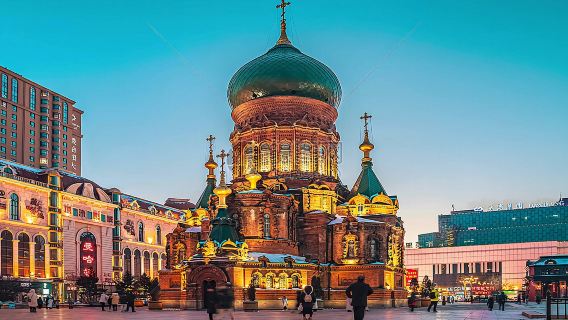
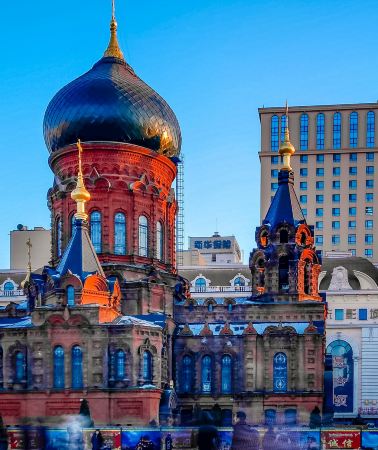
Built in 1907, Saint Sophia Cathedral, with its notable onion-shaped dome, is a famous landmark in Harbin. Although this magnificent Byzantine-style building no longer serves as a church, it still attracts many visitors with its beautiful exotic architecture. Saint Sophia Cathedral is a fully-preserved Byzantine-style building in China. Although it was renamed Harbin Architecture Art Gallery in 1997, locals and tourists still prefer to call it "Sophia Cathedral."Harbin · 1.8km from downtown

Harbin Sophia Square
Sophia Square is located on the south bank of the beautiful Songhua River. The square consists of three parts: St. Sophia Church, New Synagogue and Architectural Art Square. Saint Sophia Church is a dazzling presence on the square and a famous place in Harbin. It is a typical Byzantine building, and the interior murals, chandeliers, bell towers, domes and choirs all show a variety of cultural landscapes and artistic features. The Jewish New Synagogue was built in 1918. It is the largest existing synagogue in China, and regularly holds exhibitions related to Judaism.Harbin · 1.8km from downtown

CHINESE BAROQUE
Located in Laodaowai Nansan, Naner, and Nantoudao Streets, the surrounding buildings are either renovated or rebuilt. The street is very quiet. The old shop is a package shop. Fan Jiyong, don't come at mealtime, there will be a huge crowd of people, waiting in line, it's too prosperous. The street and the bronze statue in the courtyard will take you back to the past.Harbin · 2.7km from downtown

Longta
Dragon Tower, also known as Heilongjiang Tower, is one of Harbin's landmarks. You can board the high-speed elevator for sightseers in the middle of the tower. When you arrive, you can enjoy good food in the revolving restaurant, while taking in the night views of the city below. If you are brave enough, you can also experience the challenge of a walk along the glass floored corridor.Harbin · 3.2km from downtown
Experiences you can't miss in Harbin
Featured Day tours in Harbin
View all Day tours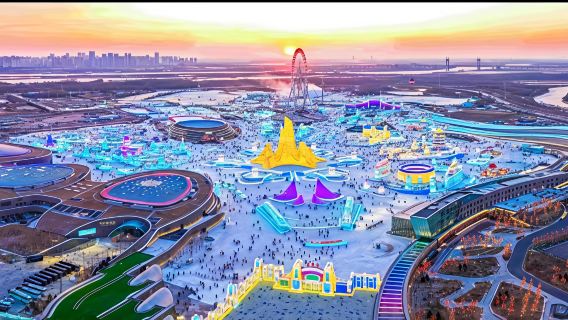
5% off
Limited-time sale
FromPKR 89,578.16PKR 94,292.81
Free cancellation
Instant confirmation
FromPKR 117,490.04
Free cancellation
Instant confirmation
Book now for tomorrow
FromPKR 75,052.94
Free cancellation
5% off
Limited-time sale
FromPKR 89,292.43PKR 93,992.04
Free cancellation
Instant confirmation
FromPKR 43,424.32
Free cancellation
Instant confirmation
FromPKR 93,961.96
5% off
Limited-time sale
FromPKR 86,395.78PKR 90,942.93
5% off
Limited-time sale
FromPKR 89,578.16PKR 94,292.81
Featured Cultural experiences in Harbin
View all Cultural experiences
22 booked
Free cancellation
FromPKR 7,650.96
4.0/5
· 1 review· 38 bookedFromPKR 3,639.38

3.0/5
· 4 reviews· 74 bookedFree cancellation
Instant confirmation
FromPKR 7,650.96
![Half-day tour of Heilongjiang Provincial Museum [Private group with guide]](https://ak-d.tripcdn.com/images/0356012000sj0w3ta0161_C_568_320.jpg?_fr=wc)
Free cancellation
Instant confirmation
FromPKR 23,498.02
Free cancellation
Instant confirmation
FromPKR 19,272.13
5% off
Limited-time sale
FromPKR 89,578.16PKR 94,292.81
5% off
Limited-time sale
FromPKR 89,578.16PKR 94,292.81
Free things to do in Harbin
Harbin Drug Group Pharmaceutical Factory 6
Harbin · 5km from downtown
Hayaoliu Print Museum
Harbin · 5km from downtownBook now for tomorrow, Cancel anytimeHarbin Sun Island Scenic Spot
Harbin · 5km from downtownZhongyang Street
Harbin · 2.7km from downtownHarbin Sophia Square
Harbin · 1.8km from downtownCHINESE BAROQUE
Harbin · 2.7km from downtown
Heilongjiang Provincial Museum
Harbin · 38m from downtown
The Exhibition Hall of Evidence of Crime by Unit 731 of the Japanese Imperial Army
Harbin · 16.5km from downtown
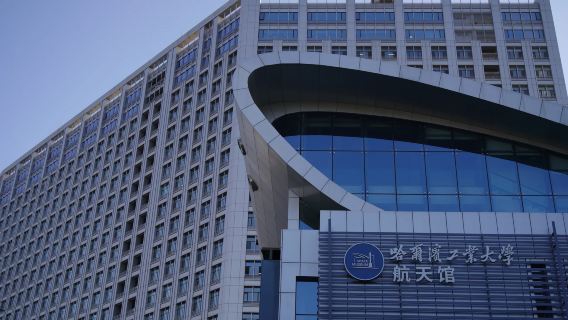
Harbin Institute of Technology
Harbin · 1.7km from downtown
Yabuli Ski Resort
Shangzhi · 59.5km from downtown
More ways to travel from Harbin
Private Tours in Harbin
View More Private Tours in Harbin


Group Tours in Harbin
View More Group Tours in Harbin

What travellers say about Harbin

Anonymous user9 October 2026
5.0
This is truly worth it! Enjoyed seeing and experiencing the indoor ice sculptures even if it's not yet winter. Specially enjoyed the ice slide inside. Definitely coming back if I have the chance.
Harbin Ice-Snow World

澄潭觀月14 June 2026
5.0
The famous Harbin Pharmaceutical Group No. 6 Factory produces many brand-name drugs.
The historic European-style buildings are beautiful and photogenic!
The print exhibition is also quite artistic. The free restaurant offers excellent value for money!
Harbin Drug Group Pharmaceutical Factory 6
Anonymous user11 October 2026
4.0
Aerial views of the Songhua River offer a completely different perspective than walking along the riverbanks, showcasing the river surface, the city buildings on both sides, and the skyline of Harbin. It's not the kind of attraction that keeps you occupied for a long time, but it provides a unique way to experience Harbin. Especially for first-time visitors to Harbin, combining a visit with Central Street, the Flood Control Monument, and Sun Island will make the experience even more meaningful.
Harbin Sightseeing Cableway

Micaella Cirilo9 October 2026
5.0
This place is worth visiting. It’s super underrated! If you want to experience different snow activities with less crowd, Volga Manor is definitely a must visit when you’re in Harbin. As someone born and raised in a tropical country, I really enjoyed our time in this place. Will definitely come back! Harbin is a memorable place for me cause I got engaged here!!!
Volga Manor
Anonymous user4 October 2026
5.0
The Sun Island Panda House is clean and tidy, with spacious areas for the pandas to move around in. You can clearly see the pandas eating and playing. The ticket price is reasonable, and it's a great experience to bring your family. I would recommend it to panda lovers.
Harbin Sun Island Scenic Spot

oueryuji12 June 2026
5.0
Summer vacation is almost here! Southern friends, come to Harbin! Harbin, the "Oriental Paris," exudes a European atmosphere everywhere you look. Walking along Central Street is like stepping into another country, with Russian-style buildings lining both sides. You can even find Russian cuisine to enjoy. Come and experience it!
Zhongyang Street

灵风12 October 2026
5.0
I had heard so much about Hagia Sophia before, and the cathedral there truly exudes a rustic charm and bears the marks of history. From the inside out, it reveals the architectural style and characteristics of its time, making it well worth a visit.
Saint Sophia Cathedral

东山(守护酱油瓶的狼)30 July 2023
5.0
There is a European-style square, and many movies and TV series are filmed here! The famous TV series Cliff has many shots and scenes shot here. There is also some modern cultural atmosphere here, I guarantee you will not regret coming here!
Harbin Sophia Square

飞宁215 August 2026
5.0
"First came Fujia Dian, then Harbin." During the Qianlong era, immigrants from within the Great Wall gradually settled in Harbin. Later, more people migrated to Northeast China, and the Daowai area gradually became a bustling hub for daily life and commerce. In the early 20th century, with Tsarist Russia's ambition to plunder Northeast China's resources, the construction of the Chinese Eastern Railway began, gradually forming a Chinese Baroque architectural complex with a "Western style outside, Chinese style inside." However, upon closer inspection, the exterior wall reliefs do not depict Western angels, but rather pomegranates, bats, peonies, and toads—symbols of many children, blessings, wealth, and peace—truly reflecting the deep-seated cultural confidence of Chinese merchants.
CHINESE BAROQUE

M35***192 October 2026
5.0
Highly recommended! "Descendants of the Dragon ascend the Dragon Tower." How to put it? Paying to go up the Dragon Tower might not be worth the ticket price, but the feeling afterward makes it all worthwhile. The staff are very professional; while not exactly enthusiastic, their lack of enthusiasm sometimes makes them feel comfortable. The slogans on the Dragon Tower are excellent! They constantly remind us: forgetting the past means betrayal; we must strive to be strong!
Longta
Popular cities near Harbin


Frequently asked questions
What are the must-do things in Harbin?
Don't miss these attractions in Harbin: Harbin Ice-Snow World, Harbin Drug Group Pharmaceutical Factory 6, and Harbin Sightseeing Cableway. If you like Day tours, try 1-day tour to China Harbin Ice And Snow World, Siberia Tiger Park and Zhongyang Street - admission ticket at your own expense. If you enjoy Cultural experiences, try Harbin Galaxy Wonderland hot spring bath (complete leisure facilities + water park).
What are the recommended tours and excursions in Harbin?
When choosing a tour, start with how much time you have and the kind of experience you're looking for. Trending options right now include 1-day tour to China Harbin Ice And Snow World, Siberia Tiger Park and Zhongyang Street - admission ticket at your own expense, Harbin Ice and Snow World VIP Private Charter · Guide Service · 1-Day Tour with Travel Photography, and Harbin Haya Printmaking Museum + Ice & Snow World Night Tour (Full-Day Trip with Transfer). Check the real-time availability and itinerary before you book.
What's the typical cost of day tours and activities in Harbin?
As of 12 October 2026, the reference price for day tours and activities in Harbin is around PKR 43,424.32 – PKR 1,17,490.04. Rates vary by duration, group size, transport, tickets, meals, and any special admission requirements. Before you book, please confirm the billing currency and whether the price is quoted per person or per group.
How can I contact Trip.com customer support?
Get help anytime, anywhere within 30 secondsContact customer support
Can I change or cancel my booking?
Change and cancellation policies vary by attractions and tours. Please check the product details page for more information.
How can I get discounted prices?
Ticket prices may vary between weekdays and weekends, as well as during peak and off-peak seasons. When booking with Trip.com, you can also use Trip Coins to get extra savings. For more tips on booking discounted tickets, please visit Trip.com for the latest information.
Trip.com picks
Popular cities in China
Popular Harbin Tours
Best Harbin Experiences
Recommended Car Rentals in China
Popular Airport Transfers
Things to do in ZhangjiajieThings to do in HangzhouThings to do in SuzhouThings to do in HarbinThings to do in GuangzhouThings to do in ShenzhenThings to do in MacauThings to do in JiuzhaigouThings to do in ChengduThings to do in DujiangyanThings to do in BeijingThings to do in QingdaoThings to do in YulongThings to do in TaipeiThings to do in Yangshuo
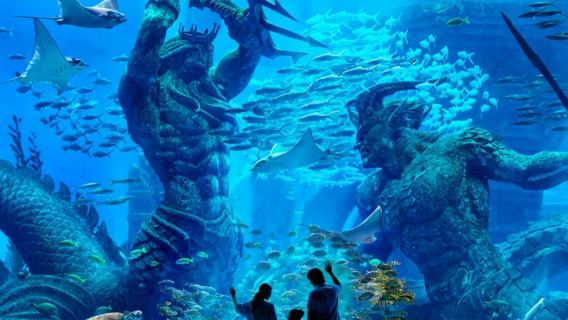
Harbin institute of technology/aerospace museum + the Heilongjiang provincial museum 1-day tour with booking serviceHalf-day tour of Heilongjiang Provincial Museum 1-day tour of Harbin Russian-style charm + Jinyuan culture1-day tour in Harbin excluding admission ticket: Saint Sophia square, cathedral, Siberian tiger and Stalin ParkHarbin, Heilongjiang, China - Zhongyang street + music corridor private charter tourHarbin private charter 1-day tour1-day tour to Poseidon Underwater World, Chinese baroque and St. Sophia Cathedral - admission ticket at your own expense1-day tour in Harbin Harbin city 1-day tour | Sophia + Zhongyang Street + Sun Island 1-day tour to Harbin Polarland, Zhongyang Street, St. Sophia Cathedral and baroque - admission ticket at your own expense1-day tour to Harbin Sun Island Scenic Spot, Zhongyang Street, St. Sophia Cathedral and Chinese baroque - admission ticket at your own expense1-day tour to Maoer Mountain and rafting from Harbin - admission ticket at your own expenseHarbin Haya Printmaking Museum + Ice & Snow World Night Tour 1-day tour to Harbin BONSKI, Chinese baroque and St. Sophia Cathedral - admission ticket at your own expenseHalf-day Harbin Songhua River Cable Car Ride + Stalin ParkHeilongjiang Cultural ExperienceHeilongjiang ActivitiesHeilongjiang Group ToursHarbin Cultural ExperienceHeilongjiang Day ToursHarbin Travel EssentialsHeilongjiang City PassHarbin Day ToursHeilongjiang SIM CardCar rentals in TaipeiCar rentals in ShanghaiCar rentals in BeijingCar rentals in Hong KongHarbin airport transfersHarbin Taiping International Airport transfersShanghai Pudong International Airport transfersGuangzhou Baiyun International Airport transfersTaiwan Taoyuan International Airport transfersBeijing Capital International Airport transfersBeijing Daxing International Airport transfersHong Kong International Airport transfersShanghai Hongqiao International Airport transfersChongqing Jiangbei International Airport transfersSanya Phoenix International Airport transfersChengdu Tianfu International Airport transfers