Travel Guides

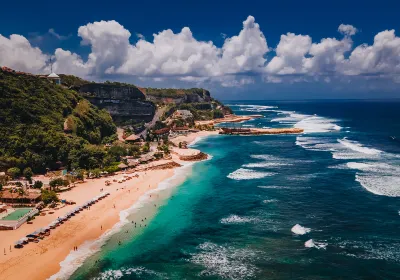

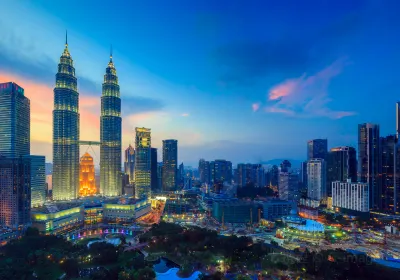
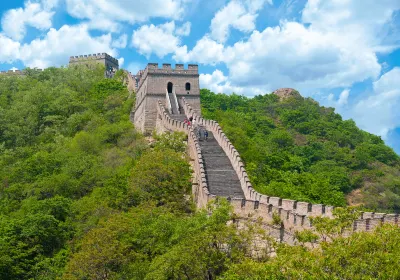
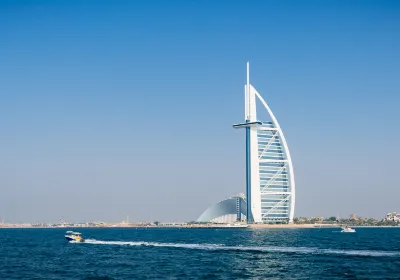




















Recommended attractions at popular destinations
Popular Attractions in Bangkok | Popular Attractions in City of Manila | Popular Attractions in Tokyo | Popular Attractions in Taipei | Popular Attractions in Hong Kong | Popular Attractions in Seoul | Popular Attractions in Kuala Lumpur | Popular Attractions in Los Angeles | Popular Attractions in Shanghai | Popular Attractions in New York | Popular Attractions in Shenzhen | Popular Attractions in Osaka | Popular Attractions in Singapore | Popular Attractions in London | Popular Attractions in Guangzhou | Popular Attractions in San Francisco | Popular Attractions in Beijing | Popular Attractions in Macau | Popular Attractions in Bali | Popular Attractions in Jakarta | Popular Attractions in Paris | Popular Attractions in Ho Chi Minh City | Popular Attractions in Istanbul | Popular Attractions in Phuket | Popular Attractions in Chicago | Popular Attractions in Seattle | Popular Attractions in Toronto | Popular Attractions in Orlando | Popular Attractions in Cebu | Popular Attractions in Chiang Mai
Popular Travelogues
Popular Ranked Lists
Top 20 Best Things to Do in Venice | Top 20 Must-Visit Restaurants in Zhoushan | Top 10 Best Things to Do in Kanazawa | Top 20 Best Things to Do in Brussels | Top 20 Best Things to Do in Nha Trang | Top 50 Best Things to Do in Amsterdam | Top 50 Must-Visit Restaurants in Budapest | Top 20 Must-Visit Restaurants in Deqing | Popular Premium Hotels in Buruanga | Top 50 Best Things to Do in Auckland | Top 50 Must-Visit Restaurants in Zhanjiang | Top 50 Must-Visit Restaurants in Perth | Popular Luxury Hotels Near Macang Tanggar | Top 50 Must-Visit Restaurants in Nanning | Popular Luxury Hotels Near Vienne | Top 50 Must-Visit Restaurants in Toronto | Popular Luxury Hotels Near Chobe | Popular Premium Hotels in Cernobbio | Top 50 Must-Visit Restaurants in Shijiazhuang | Top 10 Best Things to Do in Kathmandu | Top 20 Best Things to Do in George Town | Top 50 Must-Visit Restaurants in Taiyuan | Popular Luxury Hotels Near Nevis | Top 50 Best Things to Do in Hanoi | Top 10 Best Things to Do in Kamakura | Top 50 Must-Visit Restaurants in Nan'ao County | Top 20 Must-Visit Restaurants in Zhangzhou | Top 50 Must-Visit Restaurants in Yantai | Top 50 Must-Visit Restaurants in Pingtan County | Top 10 Best Things to Do in Naha
Trending Travelogues
【Bryant Park2026】Discover the Enchantment of Bryant Park Winter Village | 【Yellowstone Park2026】A Winter Wonderland Adventure!a guide to visit to theYellowstone Park | Singapore Summer Fun Starts Here: Trip.com 5.5 Deals You Can’t Miss! | Chasing Star Pandas: A Guide to Popular Panda Spots in China | Artbox Singapore 2026: Tickets, Food Lineup & Insider Tips | 2026 Business & First Class Airline Comparison: Top 5 Airlines Reviewed | Business Class vs First Class: Which Is Better Value and How to Book Smart | [Songkran Thailand 2026]Schedule, Times, Locations & Best Spots | Up to SGD30 Off: Resorts World Sentosa 3-Attraction Package | Exploria: Mandai Unveils Southeast Asia’s Largest Indoor Nature-Themed Multimedia Experience | Mandai Wildlife Reserve | Trip Community - Become Our Core Members! | Trip Community - Become Our Core Members! | CHAGEE First Exhibition at Asian Civilisations Museum - Garden of Senses: A Tea Reverie | Celebrate Chinese New Year at Universal Studios Singapore's Festival of Fun | Lenny Pearce Returns to Singapore with the Ultimate Toddler Techno Party 🎶✨ | POP MART SKULLPANDA CAGE-UNCAGE Singapore at the National Museum of Singapore | SKULLPANDA CAGE-UNCAGE Showcase to Make International Debut at the National Museum of Singapore | Singapore’s Largest Indoor Nature-Inspired Playscape: Curiosity Cove At Mandai Wildlife Reserve! | 【World Museums】Exploring the World's Famous Museums | Global Giant Panda Tour: Exploring Panda Habitats Outside China | Hangyodon Marine Discovery at Singapore Oceanarium: A Cute, Immersive Ocean Adventure! | How to Find Muslim-Friendly Hotels and Accommodations on Trip.com | Christmas Wonderland 2025 at Gardens by the Bay | Singapore’s Top Festive Event | Dive Into the Magical World of Sea Jellies at Singapore Oceanarium | Guide to Trip.com’s Travel Buddies Campaign | Guide to Trip.com’s Travel Buddies Campaign | [Shenzhen Free Travel] How to enjoy a 3-day and 2-night trip to Shenzhen, a comprehensive itinerary planning guide! | Trip.com Launches Special Support Programme to Assist Customers Affected by Disney Adventure Delay | [Zhanjiang Free Travel] How to enjoy Zhanjiang travel for 3 days and 2 nights, a comprehensive itinerary planning package!