OverviewReviewsWin PrizesTrip MomentsNearbyRecommended
Share to
Show all
Bath
6.3
4.8/5
9 reviews
 No. 2 of Best Things to Do in Bath
Open Opening hours of Bath
Free entry
Recommended sightseeing time: 1–2 days
Address:
Bath, UK
Map
Bath attraction highlights
Some information may have been translated by Google Translate
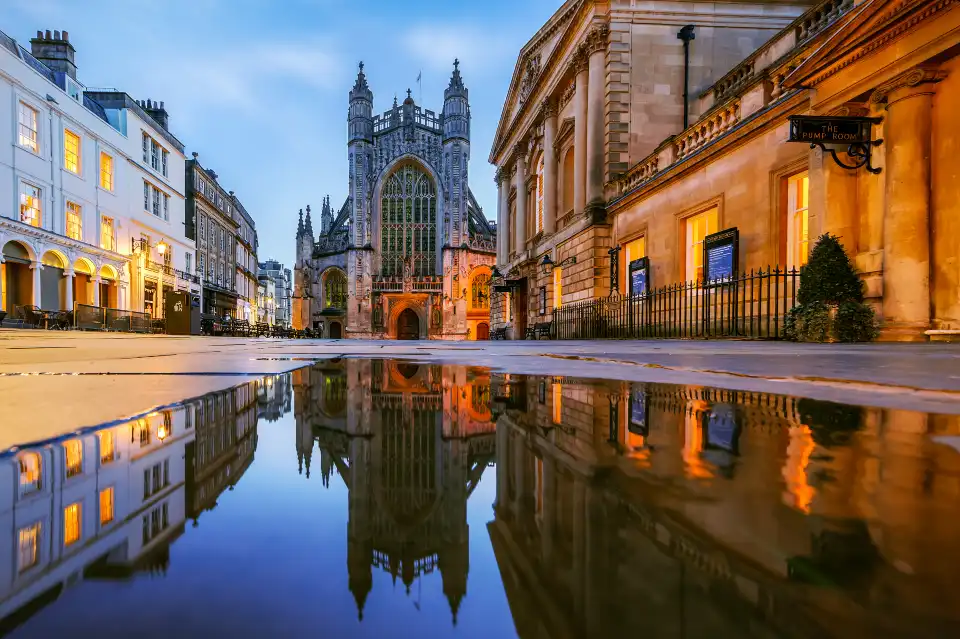
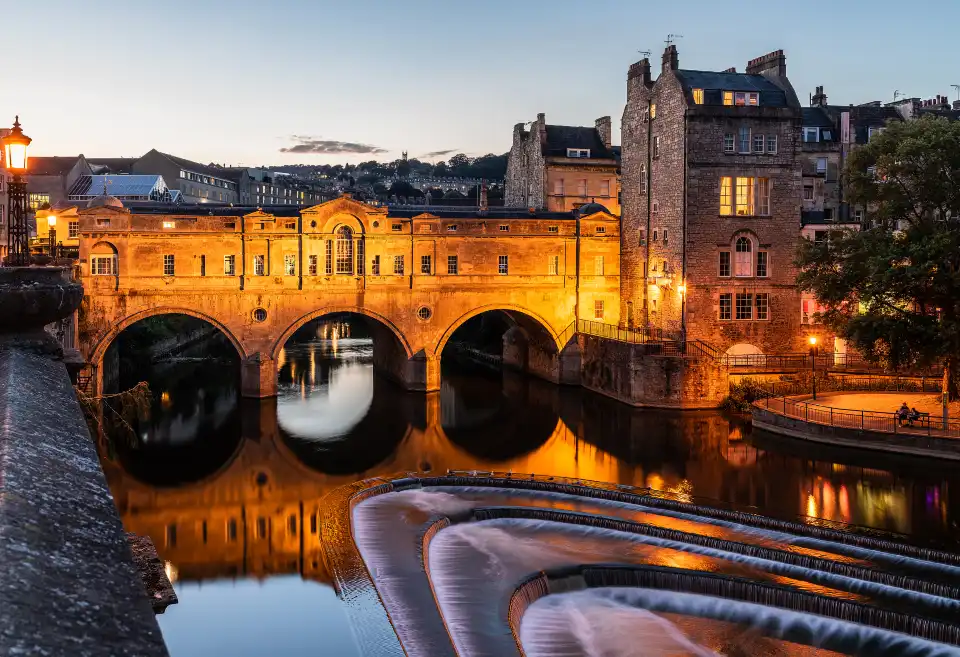
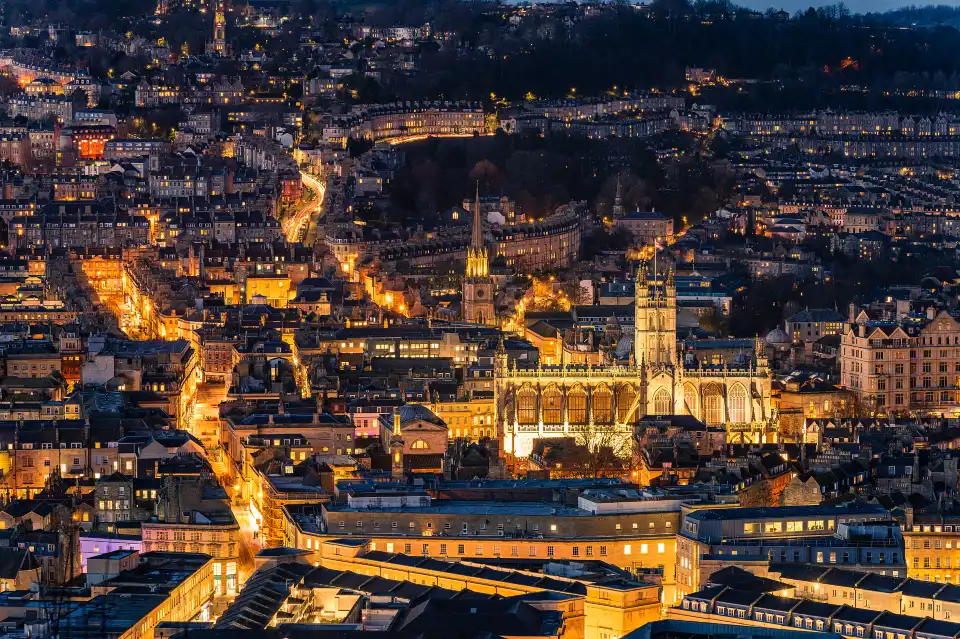
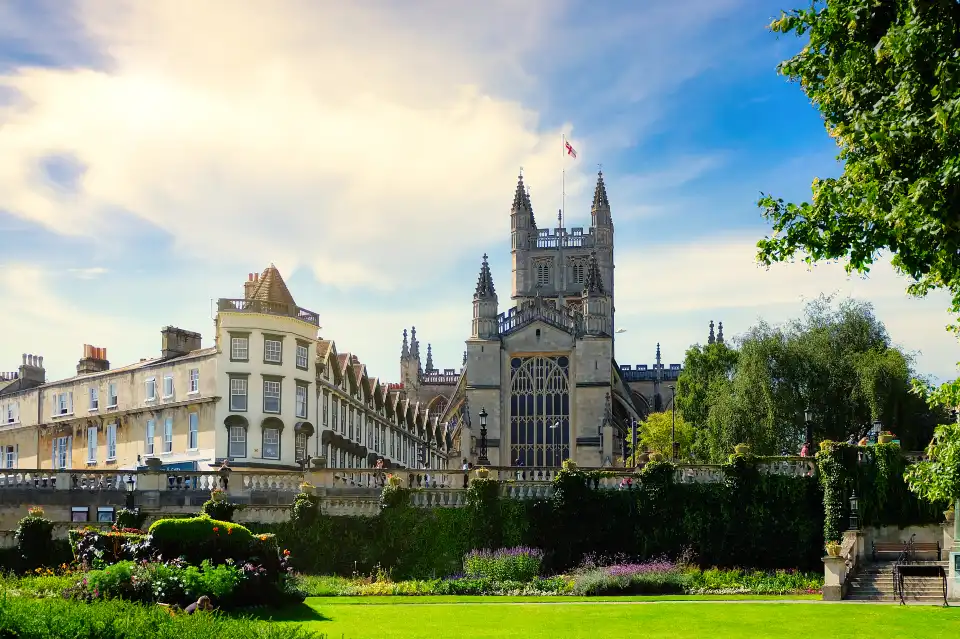
Bath is located in Somerset, southwestern England, United Kingdom, and sits on the banks of the River Avon, surrounded by rolling green hills. A distinctive local feature is its urban architecture built from honey-colored limestone, with neat Georgian-style terraced houses, arched structures, and classical facades lining the streets, creating a uniform color palette and a strong British charm. It also features museums, independent shops, cafes, restaurants, and public gardens. Its main features include its uniform stone architecture, hot spring views, and compact urban layout, making it suitable for walking tours and short leisure trips.
Bath Reviews: Insider Insights and Visitor Experiences
Write a review
Bath Photos: Trip Moments

- bathengland
- visitbath
- englandtravel
- uktravel
- bathtravel
- romanbaths
- pulteneybridge
- royalcrescent
- traveltips
- tripcom
- travelcommunity
- travelexperience
- daytrips
🏛️✨ My Day in Bath, England 🇬🇧 | Travel Experience & Helpful Tips Bath was one of the places I really enjoyed visiting during my England trip. The city has such a different atmosphere from London — beautiful Georgian architecture, charming streets, historic buildings, and plenty of places to explore on foot. 🤍 📍 What I enjoyed visiting: 🏛️ Roman Baths – A fascinating place to learn about Bath’s Roman history. Give yourself enough time to walk through the different sections and read the displays. ⛪ Bath Abbey – Beautiful architecture and right in the heart of the city. 🌉 Pulteney Bridge – One of the most photogenic spots in Bath, especially from the riverside. 🌿 Royal Crescent – A lovely place to walk around and admire Bath’s famous Georgian architecture. 🚶 Bath city centre – Very enjoyable to explore on foot, with cafés, shops and historic streets along the way. 💡 Tips from my visit: 👟 Wear comfortable shoes — Bath is best explored by walking. 🎟️ If you want to visit the Roman Baths, check opening times and ticket availability before your trip. 📸 Visit the main landmarks at different times of day if you want different photo opportunities. ☕ Leave some time to sit in a café and enjoy the atmosphere instead of rushing between attractions. 🗺️ Bath’s main sights are relatively close together, so a well-planned day can cover quite a lot without needing a car. 🚆 If you’re coming from London, check the train timetable in advance and plan your return journey, especially if you’re doing Bath as a day trip. ❤️ My overall experience: What I loved most about Bath was how easy it was to combine history, architecture, beautiful streets and a relaxed atmosphere in one visit. It felt like a place where I could slow down and enjoy the journey rather than simply checking attractions off a list. 📸 If you’re planning an England trip, I’d definitely keep Bath on your itinerary. Save this post for your planning and I hope you enjoy Bath as much as I did! 🇬🇧✨ #BathEngland #VisitBath #EnglandTravel #UKTravel #BathTravel #RomanBaths #PulteneyBridge #RoyalCrescent #TravelTips #Tripcom #TravelCommunity #TravelExperiencePratik_Patel2

- bath
- bathuk
- visitbath
- englandtravel
- unitedkingdom
- romanbaths
- royalcrescent
- pulteneybridge
- uktravel
- tripcom
- architecturetravel
- sightseeing
🇬🇧 Bath, UK | Where History Meets Timeless Beauty 🏛️✨Stepping into Bath feels like walking through a living piece of British history. With elegant Georgian architecture, ancient Roman heritage and charming streets, this UNESCO World Heritage city is one of England’s most beautiful destinations. 💛 Explore the remarkable Roman Baths, admire the graceful curve of the Royal Crescent, and stroll across the iconic Pulteney Bridge above the River Avon. 🌿🏛️ From honey-colored stone buildings to peaceful riverside views, Bath has a unique charm that blends ancient history with refined elegance. ✨ 🏛️ Bath highlights: ♨️ Historic Roman Baths 🏘️ Georgian architecture 🌙 Royal Crescent 🌉 Pulteney Bridge 🌿 Beautiful riverside scenery ☕ Charming streets & cafés Bath is proof that some cities don’t simply preserve history — they make you feel part of it. 🇬🇧✨ 📍 Bath, England, United Kingdom #Bath #BathUK #VisitBath #EnglandTravel #UnitedKingdom #RomanBaths #RoyalCrescent #PulteneyBridge #UKTravel #TripcomAbir195

- travel2026
- travel
- thingstodo
- localfood
- restaurant
- hiddengem
- england
- bath
- ukhiddengems
🏴🇬🇧 The COOLEST restaurant/Bar in England! Here’s why you NEED to visit:Want a one of a kind experience that you won’t get anywhere else? Experience the English architectural charm whilst experiencing something like nowhere else by coming here!! The place is: 📍 The botanist in bath ⭐️ Although not in London bath itself is a wonderful city, I have posted a separate guide on it if you guys would like to learn more about the city itself! Here are the key features of the restaurant ⭐️ Amazing but affordable food for all different diets ⭐️ Cocktails and mocktails in a PLANT POT ⭐️ A massive tree bar and a two story restaurant ⭐️ Amazing Christmas decor during the season ⭐️ Very kind and helpful staff ⭐️ Food costs between 15-25 pounds per person ⭐️ Drinks cost between 10-15 pounds per drink ⭐️ The top is a restaurant whilst below is a fancy bar!! I hope this guide was helpful! If you have any questions please let me know!!! #travel2026 #travel #thingstodo #localfood #restaurant #hiddengem #england #bathAlex_younan3
 Today I drove from Broadway in the Cotswolds to Bath and stopped at Snowshill Manor, a Tudor manor house once owned by the English eccentric Charles Paget Wade. He used it to house his collection of thousands of objects and left it all to the National Trust in 1951. I found it interesting and charming. Henry VIII took the house from the Catholic Church, and it has many stories and ghosts.cedarnimbus3

 1 day trip in Bath🍁Starting off a chill morning with a breeze of autumn air in Bath. Bath in the fall is pure magic—the warm oranges, yellows, and browns of the changing leaves contrast so beautifully with the city’s iconic honey-colored Bath Stone buildings, making the whole vibe feel incredibly cozy and romantic. What made walking around town even more exciting was getting to trace the footsteps of Bridgerton! Since so many corners of the city were used as main filming locations, strolling past the classic squares and picturesque streets really felt like stepping straight into the show. And of course, the food was just as amazing as the views I had lunch at Solina, a famous fresh pasta spot you definitely shouldn't miss. The atmosphere inside is super warm and welcoming, and the pasta absolutely lived up to the hype. Wrapped up the day with a delicious Korean feast for dinner. The bold, authentic flavors and perfect dishes were just what I needed to recharge after a full day of exploring. It was such a simple yet unforgettable day filled with gorgeous nature, stunning architecture, iconic film vibes, and incredible food from start to finish!Sarawaleer3


- travel
- bath
- bathuk
- daytripuk
A Relaxing Day Out in Bath 🏛️✨At the end of summer 2025, my family and I spent three nights in Bristol, including a day trip to Bath. We took it easy, strolling around and exploring at our own pace. Bath is quite small, so one full day is enough to see the main attractions. I highly recommend visiting the Roman Baths. They offer free audio guides in multiple languages, which made our visit much more engaging and meaningful. Afterwards, we went to the famous Circus. Simply sitting quietly among the towering trees for a few minutes was so relaxing. Reading about the history of the buildings online added even more depth to the experience. Finally, don’t miss the shops and bakeries around the town. Bath is full of charming spots to wander and grab a treat. #travel #bath #bathuk #daytripukBuzzingtraveler3
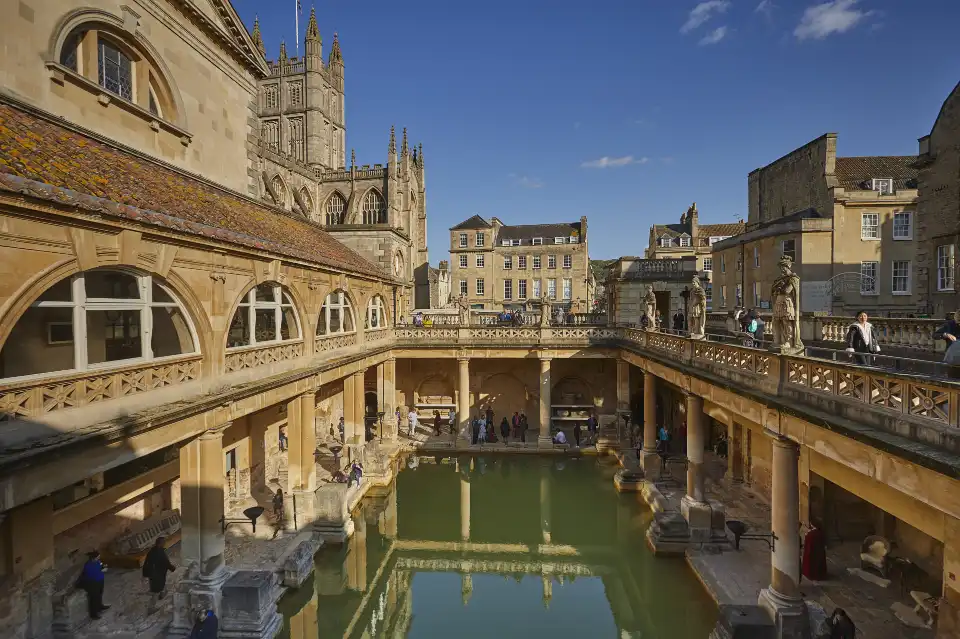
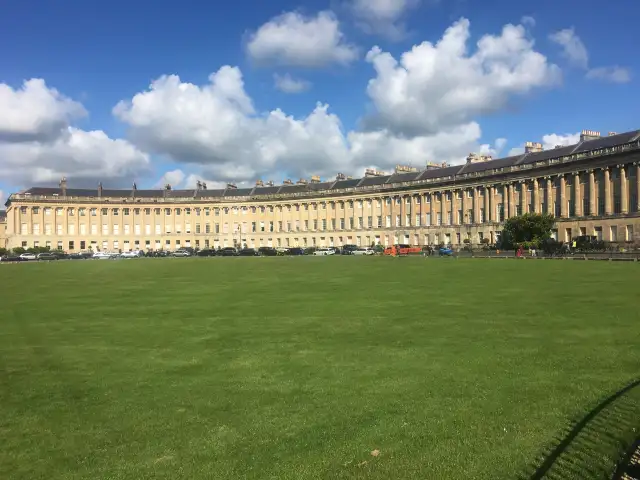 Bath, UK | An ancient Roman city built on hot springsBath, UK, is a city that rose to prominence because of its natural hot springs. Compared to the hustle and bustle of London, what makes Bath so special is that it preserves both ancient Roman ruins and 18th-century British architecture within the same city. If you want to understand the history of Bath, the Roman Baths are a great starting point. About 2,000 years ago, the Romans arrived here and discovered the natural hot springs that were constantly gushing forth. These hot springs do not come from volcanic activity; rather, rainwater seeps deep underground, is heated by geothermal energy, and then returns to the surface along rock fissures. The spring water temperature is about 46°C, and it continues to flow to this day. Before the Romans arrived, the local Celts already regarded the hot springs as a sacred place, worshipping a goddess named Sulis. The Romans later combined her with Minerva, the goddess of wisdom in Roman mythology, forming the cult of Sulis Minerva. In the 1st century AD, the Romans built temples and public baths around the hot springs and named the city Aquae Sulis, meaning "the waters of Sulis." Today's Roman Baths is a history museum preserved on the site of the ancient Roman architectural ruins. The most iconic feature is the Great Bath in the center. The green spring water, the stone pillars surrounding it, and the ancient stone steps create the most classic image of Bath. However, the architecture seen today does not entirely belong to the ancient Roman era. The terrace and statues above the bath are mainly parts redesigned in the 19th century. Many of the true Roman-era ruins are preserved at a lower level. By the 18th century, Bath experienced another period of prosperity. The British upper class used this place as a destination for recuperation and socializing, leading to the construction of a large number of Georgian-style buildings in the city. The Royal Crescent, the Circus, and the streets uniformly built with light-gold Bath stone give this city a highly recognizable architectural style. In 1987, Bath was inscribed on the UNESCO World Heritage List. From ancient Roman religious beliefs to Georgian-era urban planning, the charm of Bath lies not only in its hot springs but also in how 2,000 years of history have been layered here. 📍Practical Tips Address: Roman Baths, Abbey Church Yard, Bath 🚆 Take a train from London Paddington to Bath Spa station. The direct journey usually takes about 1 hour and 20 minutes, and it is about a 10-minute walk from the station. 🎫 Tickets are required for the Roman Baths. Prices vary by date, so it is recommended to book in advance via the official website. ⏰ It is recommended to allow 1.5–2 hours to visit the Great Bath, the ancient Roman temple ruins, and the museum exhibition hallsNebulaSerenade5520


- bathengland
- londontrip
- londonengland
- unitedkingdom
- mytravelwrap
- sightseeing
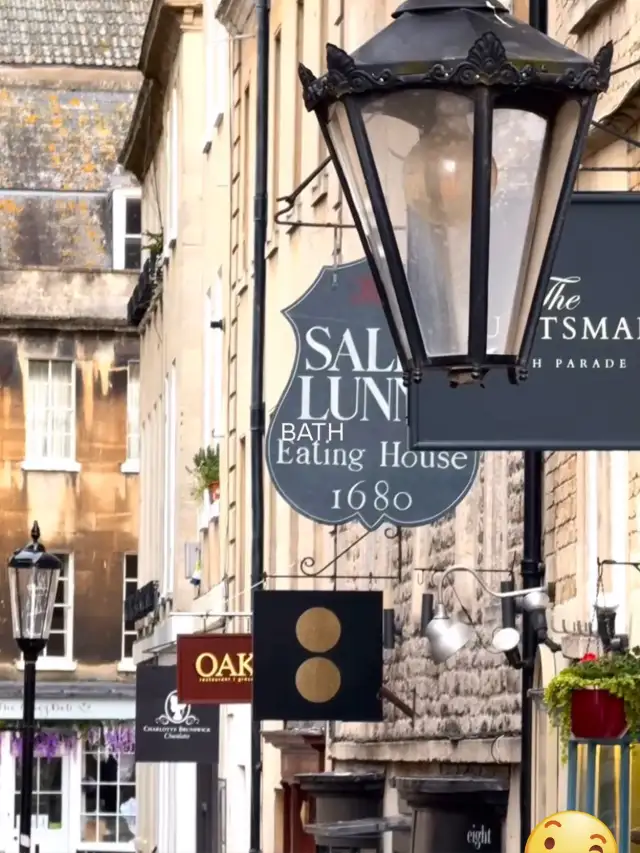
let’s take a day trip to Bath 🇬🇧✨🛁 my favorite town only ~1 hour away from London!! @pigletinbed @hiddenstorebath @gailsbakery @sallylunnsbath @bridgertonnetflix @romanbathsuk @priorparkbath @gwruk @nandosuk #bathengland #londontrip #londonengland #unitedkingdom #mytravelwrapDeekkkci49

- bath
- england
- romanbaths
- luxurytravel
♨️ Bath, EnglandLuxury Bath: Roman Springs and Georgian Elegance 🇬🇧 😍 Soak in natural thermal water in a city built around Roman baths. 🏨 The Gainsborough Bath Spa | The Royal Crescent Hotel & Spa ✨ The Roman Baths | Thermae Bath Spa rooftop pool | The Royal Crescent 📅 May to September or December 💬 Rooftop spa or Roman Baths? 👇 #Bath #England #RomanBaths #LuxuryTravelJetlag travels
- bath
- bathuk
- visitbath
- visitengland
- englandtravel
- uktravel
- romanbaths
- pulteneybridge
- georgianarchitecture
- somerset
- ukcitybreak
- daytripuk
- historicengland
- traveluk
- easytravel
- daytrips
Bath is one of those cities that feels beautiful from almost every angle. 🇬🇧✨Famous for its Roman history, honey-coloured Georgian architecture and elegant streets, it’s one of the easiest places in England to spend a full day simply wandering. Start around the Roman Baths and Bath Abbey, then walk towards Pulteney Bridge and the River Avon for some of the prettiest views in the city. From there, explore the crescents, quiet side streets, independent cafés and historic buildings that make Bath feel so distinctive. What I love about Bath is how compact it is. You can see so much on foot, but the city still feels relaxed rather than rushed. Whether you’re visiting for the history, architecture, photography or just a beautiful UK day trip, Bath is one of those places that’s always worth coming back to. Would you visit Bath for a day or stay overnight? ✈️ #Bath #BathUK #VisitBath #VisitEngland #EnglandTravel #UKTravel #RomanBaths #PulteneyBridge #GeorgianArchitecture #Somerset #UKCityBreak #DayTripUK #HistoricEngland #TravelUK #easytravelMytravelerlife
- grouptourvssolotrip
- solotravel
The Stone-Bridge Glow: Castle Combe's Step#grouptourvssolotrip Castle Combe in the evening glow is the version of the village that hasn't been taken over by tour buses—because by 5 p.m., most of them are gone. I stayed overnight in the village and walked the stone bridge at sunset alone, and it was the first time I understood why people call it "the prettiest village in England." The step issue is genuine. The bridge is narrow, curved, and has no railings on either side; the stones are uneven and slick after rain. I wore soft-soled shoes and moved carefully, especially going down toward the water. A torch would have helped after dark—the village has almost no street lighting. There's no entrance fee, no ticket, no parking charge in the upper lot after hours, and no official guided tour I'd call necessary. A group day trip from Bath or Bristol costs roughly £35–50 and includes the Cotswolds, but you'll get 40 minutes here at most. Staying overnight cost me £90 for a basic room, paid by card, and bought me a quiet evening and an empty bridge at sunrise. Solo gave me that; a group would have given me the history in five minutes. Would you rather have the story or the silence?tty662
 Castle Combe: Stepping Into a Movie Scene in a Quiet Corner of the UKOn our way from the Cotswolds to Bath, a friend suggested a detour to Castle Combe. It wasn't originally on my itinerary, but after visiting, it has become one of the most cherished memories of my UK trip. The village was incredibly peaceful the day we visited, with only the gentle babble of the By Brook stream. Strolling across the ancient stone bridge and admiring the medieval stone cottages, it felt as if time had stood still. As a movie lover, I was pleasantly surprised to recognize the scenery—it turns out this was the filming location for War Horse and Stardust. Standing there, I felt like I had stepped right into a classic film; the way reality merged with the silver screen was truly magical. Away from the hustle and bustle of commercialism, it’s the perfect place to slow down. We just wandered along the water, breathing in the crisp air, and felt completely at peace. If you're a cinema fan or simply seeking a quiet spot to clear your head, Castle Combe is absolutely worth the visit.古建摄影迷阿瑶

Surrounding area map of Bath
Restaurants near Bath
Show more

Bath Photos: Trip Moments
- bathengland
- visitbath
- englandtravel
- uktravel
- bathtravel
- romanbaths
- pulteneybridge
- royalcrescent
- traveltips
- tripcom
- travelcommunity
- travelexperience
- daytrips
🏛️✨ My Day in Bath, England 🇬🇧 | Travel Experience & Helpful Tips Bath was one of the places I really enjoyed visiting during my England trip. The city has such a different atmosphere from London — beautiful Georgian architecture, charming streets, historic buildings, and plenty of places to explore on foot. 🤍 📍 What I enjoyed visiting: 🏛️ Roman Baths – A fascinating place to learn about Bath’s Roman history. Give yourself enough time to walk through the different sections and read the displays. ⛪ Bath Abbey – Beautiful architecture and right in the heart of the city. 🌉 Pulteney Bridge – One of the most photogenic spots in Bath, especially from the riverside. 🌿 Royal Crescent – A lovely place to walk around and admire Bath’s famous Georgian architecture. 🚶 Bath city centre – Very enjoyable to explore on foot, with cafés, shops and historic streets along the way. 💡 Tips from my visit: 👟 Wear comfortable shoes — Bath is best explored by walking. 🎟️ If you want to visit the Roman Baths, check opening times and ticket availability before your trip. 📸 Visit the main landmarks at different times of day if you want different photo opportunities. ☕ Leave some time to sit in a café and enjoy the atmosphere instead of rushing between attractions. 🗺️ Bath’s main sights are relatively close together, so a well-planned day can cover quite a lot without needing a car. 🚆 If you’re coming from London, check the train timetable in advance and plan your return journey, especially if you’re doing Bath as a day trip. ❤️ My overall experience: What I loved most about Bath was how easy it was to combine history, architecture, beautiful streets and a relaxed atmosphere in one visit. It felt like a place where I could slow down and enjoy the journey rather than simply checking attractions off a list. 📸 If you’re planning an England trip, I’d definitely keep Bath on your itinerary. Save this post for your planning and I hope you enjoy Bath as much as I did! 🇬🇧✨ #BathEngland #VisitBath #EnglandTravel #UKTravel #BathTravel #RomanBaths #PulteneyBridge #RoyalCrescent #TravelTips #Tripcom #TravelCommunity #TravelExperiencePratik_Patel2- bath
- bathuk
- visitbath
- englandtravel
- unitedkingdom
- romanbaths
- royalcrescent
- pulteneybridge
- uktravel
- tripcom
- architecturetravel
- sightseeing
🇬🇧 Bath, UK | Where History Meets Timeless Beauty 🏛️✨Stepping into Bath feels like walking through a living piece of British history. With elegant Georgian architecture, ancient Roman heritage and charming streets, this UNESCO World Heritage city is one of England’s most beautiful destinations. 💛 Explore the remarkable Roman Baths, admire the graceful curve of the Royal Crescent, and stroll across the iconic Pulteney Bridge above the River Avon. 🌿🏛️ From honey-colored stone buildings to peaceful riverside views, Bath has a unique charm that blends ancient history with refined elegance. ✨ 🏛️ Bath highlights: ♨️ Historic Roman Baths 🏘️ Georgian architecture 🌙 Royal Crescent 🌉 Pulteney Bridge 🌿 Beautiful riverside scenery ☕ Charming streets & cafés Bath is proof that some cities don’t simply preserve history — they make you feel part of it. 🇬🇧✨ 📍 Bath, England, United Kingdom #Bath #BathUK #VisitBath #EnglandTravel #UnitedKingdom #RomanBaths #RoyalCrescent #PulteneyBridge #UKTravel #TripcomAbir195- travel2026
- travel
- thingstodo
- localfood
- restaurant
- hiddengem
- england
- bath
- ukhiddengems
🏴🇬🇧 The COOLEST restaurant/Bar in England! Here’s why you NEED to visit:Want a one of a kind experience that you won’t get anywhere else? Experience the English architectural charm whilst experiencing something like nowhere else by coming here!! The place is: 📍 The botanist in bath ⭐️ Although not in London bath itself is a wonderful city, I have posted a separate guide on it if you guys would like to learn more about the city itself! Here are the key features of the restaurant ⭐️ Amazing but affordable food for all different diets ⭐️ Cocktails and mocktails in a PLANT POT ⭐️ A massive tree bar and a two story restaurant ⭐️ Amazing Christmas decor during the season ⭐️ Very kind and helpful staff ⭐️ Food costs between 15-25 pounds per person ⭐️ Drinks cost between 10-15 pounds per drink ⭐️ The top is a restaurant whilst below is a fancy bar!! I hope this guide was helpful! If you have any questions please let me know!!! #travel2026 #travel #thingstodo #localfood #restaurant #hiddengem #england #bathAlex_younan3- Today I drove from Broadway in the Cotswolds to Bath and stopped at Snowshill Manor, a Tudor manor house once owned by the English eccentric Charles Paget Wade. He used it to house his collection of thousands of objects and left it all to the National Trust in 1951. I found it interesting and charming. Henry VIII took the house from the Catholic Church, and it has many stories and ghosts.cedarnimbus3
- 1 day trip in Bath🍁Starting off a chill morning with a breeze of autumn air in Bath. Bath in the fall is pure magic—the warm oranges, yellows, and browns of the changing leaves contrast so beautifully with the city’s iconic honey-colored Bath Stone buildings, making the whole vibe feel incredibly cozy and romantic. What made walking around town even more exciting was getting to trace the footsteps of Bridgerton! Since so many corners of the city were used as main filming locations, strolling past the classic squares and picturesque streets really felt like stepping straight into the show. And of course, the food was just as amazing as the views I had lunch at Solina, a famous fresh pasta spot you definitely shouldn't miss. The atmosphere inside is super warm and welcoming, and the pasta absolutely lived up to the hype. Wrapped up the day with a delicious Korean feast for dinner. The bold, authentic flavors and perfect dishes were just what I needed to recharge after a full day of exploring. It was such a simple yet unforgettable day filled with gorgeous nature, stunning architecture, iconic film vibes, and incredible food from start to finish!Sarawaleer3
- travel
- bath
- bathuk
- daytripuk
A Relaxing Day Out in Bath 🏛️✨At the end of summer 2025, my family and I spent three nights in Bristol, including a day trip to Bath. We took it easy, strolling around and exploring at our own pace. Bath is quite small, so one full day is enough to see the main attractions. I highly recommend visiting the Roman Baths. They offer free audio guides in multiple languages, which made our visit much more engaging and meaningful. Afterwards, we went to the famous Circus. Simply sitting quietly among the towering trees for a few minutes was so relaxing. Reading about the history of the buildings online added even more depth to the experience. Finally, don’t miss the shops and bakeries around the town. Bath is full of charming spots to wander and grab a treat. #travel #bath #bathuk #daytripukBuzzingtraveler3- Bath, UK | An ancient Roman city built on hot springsBath, UK, is a city that rose to prominence because of its natural hot springs. Compared to the hustle and bustle of London, what makes Bath so special is that it preserves both ancient Roman ruins and 18th-century British architecture within the same city. If you want to understand the history of Bath, the Roman Baths are a great starting point. About 2,000 years ago, the Romans arrived here and discovered the natural hot springs that were constantly gushing forth. These hot springs do not come from volcanic activity; rather, rainwater seeps deep underground, is heated by geothermal energy, and then returns to the surface along rock fissures. The spring water temperature is about 46°C, and it continues to flow to this day. Before the Romans arrived, the local Celts already regarded the hot springs as a sacred place, worshipping a goddess named Sulis. The Romans later combined her with Minerva, the goddess of wisdom in Roman mythology, forming the cult of Sulis Minerva. In the 1st century AD, the Romans built temples and public baths around the hot springs and named the city Aquae Sulis, meaning "the waters of Sulis." Today's Roman Baths is a history museum preserved on the site of the ancient Roman architectural ruins. The most iconic feature is the Great Bath in the center. The green spring water, the stone pillars surrounding it, and the ancient stone steps create the most classic image of Bath. However, the architecture seen today does not entirely belong to the ancient Roman era. The terrace and statues above the bath are mainly parts redesigned in the 19th century. Many of the true Roman-era ruins are preserved at a lower level. By the 18th century, Bath experienced another period of prosperity. The British upper class used this place as a destination for recuperation and socializing, leading to the construction of a large number of Georgian-style buildings in the city. The Royal Crescent, the Circus, and the streets uniformly built with light-gold Bath stone give this city a highly recognizable architectural style. In 1987, Bath was inscribed on the UNESCO World Heritage List. From ancient Roman religious beliefs to Georgian-era urban planning, the charm of Bath lies not only in its hot springs but also in how 2,000 years of history have been layered here. 📍Practical Tips Address: Roman Baths, Abbey Church Yard, Bath 🚆 Take a train from London Paddington to Bath Spa station. The direct journey usually takes about 1 hour and 20 minutes, and it is about a 10-minute walk from the station. 🎫 Tickets are required for the Roman Baths. Prices vary by date, so it is recommended to book in advance via the official website. ⏰ It is recommended to allow 1.5–2 hours to visit the Great Bath, the ancient Roman temple ruins, and the museum exhibition hallsNebulaSerenade5520
- bathengland
- londontrip
- londonengland
- unitedkingdom
- mytravelwrap
- sightseeing
let’s take a day trip to Bath 🇬🇧✨🛁 my favorite town only ~1 hour away from London!! @pigletinbed @hiddenstorebath @gailsbakery @sallylunnsbath @bridgertonnetflix @romanbathsuk @priorparkbath @gwruk @nandosuk #bathengland #londontrip #londonengland #unitedkingdom #mytravelwrapDeekkkci49- bath
- england
- romanbaths
- luxurytravel
♨️ Bath, EnglandLuxury Bath: Roman Springs and Georgian Elegance 🇬🇧 😍 Soak in natural thermal water in a city built around Roman baths. 🏨 The Gainsborough Bath Spa | The Royal Crescent Hotel & Spa ✨ The Roman Baths | Thermae Bath Spa rooftop pool | The Royal Crescent 📅 May to September or December 💬 Rooftop spa or Roman Baths? 👇 #Bath #England #RomanBaths #LuxuryTravelJetlag travels- bath
- bathuk
- visitbath
- visitengland
- englandtravel
- uktravel
- romanbaths
- pulteneybridge
- georgianarchitecture
- somerset
- ukcitybreak
- daytripuk
- historicengland
- traveluk
- easytravel
- daytrips
Bath is one of those cities that feels beautiful from almost every angle. 🇬🇧✨Famous for its Roman history, honey-coloured Georgian architecture and elegant streets, it’s one of the easiest places in England to spend a full day simply wandering. Start around the Roman Baths and Bath Abbey, then walk towards Pulteney Bridge and the River Avon for some of the prettiest views in the city. From there, explore the crescents, quiet side streets, independent cafés and historic buildings that make Bath feel so distinctive. What I love about Bath is how compact it is. You can see so much on foot, but the city still feels relaxed rather than rushed. Whether you’re visiting for the history, architecture, photography or just a beautiful UK day trip, Bath is one of those places that’s always worth coming back to. Would you visit Bath for a day or stay overnight? ✈️ #Bath #BathUK #VisitBath #VisitEngland #EnglandTravel #UKTravel #RomanBaths #PulteneyBridge #GeorgianArchitecture #Somerset #UKCityBreak #DayTripUK #HistoricEngland #TravelUK #easytravelMytravelerlife- grouptourvssolotrip
- solotravel
The Stone-Bridge Glow: Castle Combe's Step#grouptourvssolotrip Castle Combe in the evening glow is the version of the village that hasn't been taken over by tour buses—because by 5 p.m., most of them are gone. I stayed overnight in the village and walked the stone bridge at sunset alone, and it was the first time I understood why people call it "the prettiest village in England." The step issue is genuine. The bridge is narrow, curved, and has no railings on either side; the stones are uneven and slick after rain. I wore soft-soled shoes and moved carefully, especially going down toward the water. A torch would have helped after dark—the village has almost no street lighting. There's no entrance fee, no ticket, no parking charge in the upper lot after hours, and no official guided tour I'd call necessary. A group day trip from Bath or Bristol costs roughly £35–50 and includes the Cotswolds, but you'll get 40 minutes here at most. Staying overnight cost me £90 for a basic room, paid by card, and bought me a quiet evening and an empty bridge at sunrise. Solo gave me that; a group would have given me the history in five minutes. Would you rather have the story or the silence?tty662- Castle Combe: Stepping Into a Movie Scene in a Quiet Corner of the UKOn our way from the Cotswolds to Bath, a friend suggested a detour to Castle Combe. It wasn't originally on my itinerary, but after visiting, it has become one of the most cherished memories of my UK trip. The village was incredibly peaceful the day we visited, with only the gentle babble of the By Brook stream. Strolling across the ancient stone bridge and admiring the medieval stone cottages, it felt as if time had stood still. As a movie lover, I was pleasantly surprised to recognize the scenery—it turns out this was the filming location for War Horse and Stardust. Standing there, I felt like I had stepped right into a classic film; the way reality merged with the silver screen was truly magical. Away from the hustle and bustle of commercialism, it’s the perfect place to slow down. We just wandered along the water, breathing in the crisp air, and felt completely at peace. If you're a cinema fan or simply seeking a quiet spot to clear your head, Castle Combe is absolutely worth the visit.古建摄影迷阿瑶
Trip.com picks
Popular Destinations
Things to do in ShanghaiThings to do in BeijingThings to do in Hong KongThings to do in OsakaThings to do in ZhangjiajieThings to do in SingaporeThings to do in ChongqingThings to do in TokyoThings to do in GuangzhouThings to do in Xi'anThings to do in ChinaThings to do in JapanThings to do in ThailandThings to do in VietnamThings to do in South Korea
More recommendations
Popular Types of Attractions in Bath
Sightseeing tours | Night view | Boat tour | Sightseeing bus | Historical attractions | Cultural institutions | Themed exhibition halls | Planetariums | Museums | Exhibitions & events | Performances | Concerts | Exhibitions | Nature and wildlife | Natural scenery | Beaches and shores | Climbing & viewpoints | Parks | Leisure activities | Farms and pastures | Camping and campsites | Spa/massage | Outdoor activities | Climbing & viewpoints | Shooting | Cycling | Skybound experiences | Water sports
Popular Restaurants in Bath
Giggling Squid - Bath | Giraffe, Bath | Bathampton Mill Bath | The Black Fox | Lulu Coffee | Nata & Co | CASCARA | Robun | Olive Tree Restaurant | The Mint Room | Woods Restaurant | The Raven | Ring O Bells | The Pulteney Arms | Garrick's Head | Bill's Bath Restaurant | Miller & Carter Bath | Vellore Restaurant | All Bar One Bath | Clayton's Kitchen | The Canon | Swoon Gelato, Bath | Indian Temptation | East Meets West Chinese Restaurant / TAKEAWAY | The Botanist Bath | Bouvardia Restaurant Bath | Yak Yeti Yak | Chandos Deli | Panahar | Côte Bath
Recommended attractions at popular destinations
Popular Attractions in Bangkok | Popular Attractions in City of Manila | Popular Attractions in Tokyo | Popular Attractions in Taipei | Popular Attractions in Hong Kong | Popular Attractions in Seoul | Popular Attractions in Kuala Lumpur | Popular Attractions in Los Angeles | Popular Attractions in Shanghai | Popular Attractions in New York | Popular Attractions in Shenzhen | Popular Attractions in Osaka | Popular Attractions in Singapore | Popular Attractions in London | Popular Attractions in Guangzhou | Popular Attractions in San Francisco | Popular Attractions in Beijing | Popular Attractions in Macau | Popular Attractions in Bali | Popular Attractions in Jakarta | Popular Attractions in Paris | Popular Attractions in Ho Chi Minh City | Popular Attractions in Istanbul | Popular Attractions in Phuket | Popular Attractions in Chicago | Popular Attractions in Seattle | Popular Attractions in Toronto | Popular Attractions in Orlando | Popular Attractions in Cebu | Popular Attractions in Chiang Mai
Popular Ranked Lists
Popular Global Traveller-Picked Attractions in Pengshui County | Top 50 Global Traveller-Picked Hotels in Xi'an | Top 50 Global Traveller-Picked Restaurants in Shenzhen | Top 50 Global Traveller-Picked Attractions in Chongqing | Top 20 Global Traveller-Picked Attractions in Guiyang | Top 10 Global Traveller-Picked Attractions in Lingshui | Top 20 Global Traveller-Picked Attractions in Dunhuang | Top 50 Global Traveller-Picked Restaurants in Dujiangyan | Top 50 Global Traveller-Picked Restaurants in Ningbo | Top 20 Global Traveller-Picked Attractions in Zhengzhou | Top 20 Global Traveller-Picked Attractions in Kunming | Top 10 Global Traveller-Picked Attractions in Jiuzhaigou | Top 20 Global Traveller-Picked Restaurants in Yining City | Top 20 Global Traveller-Picked Hotels in Guilin | Top 20 Global Traveller-Picked Hotels in Dalian | Top 20 Global Traveller-Picked Hotels in Qingdao | Top 10 Global Traveller-Picked Attractions in Shangri-La | Top 50 Global Traveller-Picked Restaurants in Fenghuang County | Top 50 Global Traveller-Picked Restaurants in Guiyang | Top 20 Premium Hotels in Burgas Province | Popular Premium Hotels in Canillo | Top 20 Global Traveller-Picked Hotels in Suzhou | Top 20 Global Traveller-Picked Hotels in Harbin | Top 20 Global Traveller-Picked Restaurants in Wuyuan | Top 50 Global Traveller-Picked Attractions in Chengdu | Top 20 Global Traveller-Picked Restaurants in Yichang | Top 20 Global Traveller-Picked Hotels in Dali City | Top 20 Global Traveller-Picked Hotels in Zhuhai | Top 50 Global Traveller-Picked Restaurants in Tianjin | Top 50 Global Traveller-Picked Hotels in Chengdu
Popular Trip Moments
Bath, UK | An ancient Roman city built on hot springs | Bath Royal Crescent to Circus Walk, UK | The Stone-Bridge Glow: Castle Combe's Step | Scone-Window Tray, Bath Pulteney Bridge | Bath is one of those cities that feels beautiful from almost every angle. 🇬🇧✨ | 🇬🇧 ENGLAND — A Land of History and Fairytale Towns | ♨️ Bath, England | St Michael's Church | Giving up on the UK? Think again, this place is amazing! | 🇬🇧 Bath might be one of the easiest UK city breaks to fall in love with | 10 Days in the UK | 7 Must-Visit Destinations | Back from the UK! After a 5-day stay, my perception of spending has been completely shattered | Save this ultimate 8-day UK travel guide now | 5-day autumn trip to the UK | The ultimate guide | Ultimate 4-day UK travel guide with must-visit routes | Cost-effective 3-day UK trip for 3,000+ per person | 5-day UK travel guide, read this and go | 5-day autumn UK travel guide – just follow this itinerary! | All itineraries for a 7-day, 6-night trip to the UK | 5-day UK autumn travel guide: save it now to avoid pitfalls | Wandering Through the Enchanting Village of Lacock 🍦✨ | 3-day UK tour from 3k+ per person, unbeatable value | 5-Day UK Autumn Getaway: The Stress-Free Guide | Six Days, Five Nights in the UK | A Commoner's Guide to Avoiding Pitfalls. A week after returning, my wallet is still aching. Not trying to discourage you, but some pitfalls are best avoided if you know them early. | 3-day UK trip for 3,000+ per person – high value and super fun | 16-day multi-country Europe tour guide: Off-peak travel is the best | 10-day customized London trip—thanks to the Trip.com team, the experience was incredible! | Experience Fall Colors & Ancient Vibes in Bath, UK 🍂🏛️
More Things To Do in Bath
BritRail pass for all UK regions [Official agent/Free for children/Includes airport express/UK train tickets] | Stonehenge + Bath 1-day tour|Sufficient tour duration|Multiple packages available | BritRail pass for England (3 days/4 days/8 days/15 days/22 days/1 month) | 1-day tour to Windsor Castle + The Roman Baths + Stonehenge in the UK | refundable 1 day in advance | Bath city hop-on hop-off sightseeing bus tour | 1-day tour to Stonehenge + The Roman Baths in Bath, UK | optional English/Chinese/German/French/Spanish guide | Windsor Castle + Stonehenge + The Roman Baths [round-trip from London | bookable for one person] | Stonehenge and Bath Day Guided Tour from London | Stonehenge & Bath Day Tour from London including Admission | Oxford and Cotswolds Day Tour from the University of Oxford|Comfortable minivan | From London: Stonehenge and Bath Day Trip with Entry Ticket | London: Stonehenge & Bath Day Trip with Optional Roman Baths | From Bath: Stonehenge & the Cotswolds Day Tour with Entry | Bath: Guided Relaxation and Sound Bath | Windsor, Stonehenge and Bath Trip from London | Stonehenge, Windsor Castle, Bath Day Trip & Historic Pub Lunch | Bath: Guided Tour of Iconic Bridgerton Filming Locations | Premium private charter | Chinese-speaking driver | door-to-door pick-up & drop-off point-to-point/1-day tour | across the UK | private charter available in London/Oxford/Cambridge/Bath | From London: Bath, Avebury and Lacock Village Day Trip | Stonehenge & Bath Day Trip from London | From Cambridge: Guided Day Tour to Bath and Stonehenge | 1-day tour to Windsor Castle + The Roman Baths + Stonehenge [Chinese or English guide available] | Bath: The Bad of Bath Walking Tour | From Bath: Cotswolds and Oxford Full-Day Tour | London: Windsor Castle, Stonehenge, and Bath Day Trip | From London: Stonehenge, Bath & Stratford-upon-Avon Day Trip | Guided relaxation and sound bath | Afternoon Tea at The Regency Tea Room | From London: Stonehenge, Windsor, and Bath Small Group Tour | [Bilingual private charter] Nottingham round-trip + Bath—in-depth tour [World heritage site]
Some content is uploaded by users, and specific information is subject to actual conditions
Other visitors' reviews of Bath
Show More ReviewsA very historical town. The car shuttled through the streets and alleys of Bath, and it turned out that this is the hometown of "Jane Austen", the female writer who wrote "Pride and Prejudice". Simple, beautiful, leisurely, peaceful, elegant and quiet. It can only be said that it is difficult to describe its beauty. very nice. There are many tourists, but it is very orderly. The air is also very good. It felt nice to take a quiet walk.