Things to do in Guangling
Explore top experiences
Top 10 attractions in Guangling


Experiences you can't miss in Guangling
Featured Day tours in Guangling
View all Day tours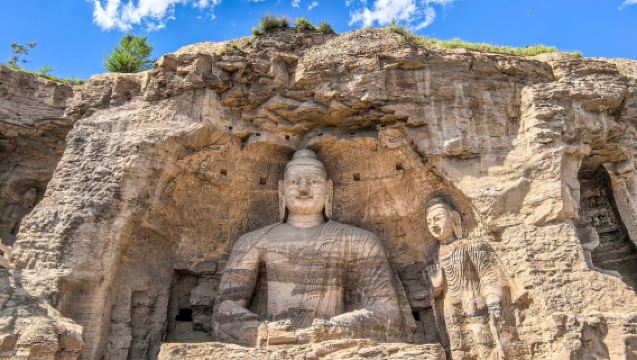
5.0/5
· 1 reviewFree cancellation
Instant confirmation
Book now for tomorrow
FromHK$401.64

4.9/5
· 57 reviews· 272 bookedFree cancellation
Instant confirmation
Book now for tomorrow
57 consecutive positive reviews
FromHK$401.64
4.9/5
· 51 reviews· 218 bookedFree cancellation
Instant confirmation
Book now for tomorrow
51 consecutive positive reviews
FromHK$428.41


4.9/5
· 210 reviews· 336 bookedFree cancellation
Instant confirmation
Book now for tomorrow
21 consecutive positive reviews
FromHK$468.58
4.7/5
· 19 reviews· 79 bookedInstant confirmation
Book now for tomorrow
FromHK$502.04

5.0/5
· 13 reviews· 58 bookedFree cancellation
Instant confirmation
Book now for tomorrow
FromHK$267.76
5.0/5
· 7 reviews· 46 bookedInstant confirmation
Book now for tomorrow
FromHK$455.19
5.0/5
· 3 reviews· 36 bookedFree cancellation
Instant confirmation
Book now for tomorrow
FromHK$816.67
Guangling Today's weatherClear -2-11℃
Guangling weather for the next 2 days11/2: -2-12℃, 11/3: 0-16℃
Free things to do in Guangling


What travellers say about Guangling

Anonymous user10 August 2026
4.0
I heard it's the birthplace of the "Iron Flower" performance, with over 300 years of history, so I went to see it. Compared to other live performances in scenic areas across the country, the show wasn't particularly exciting. All four sections of the "Iron Flower" performance were the same, lacking variation and originality compared to other attractions. However, if you haven't seen it before, it's still worth checking out.
Nuanquan Ancient Town

M43***1830 August 2025
5.0
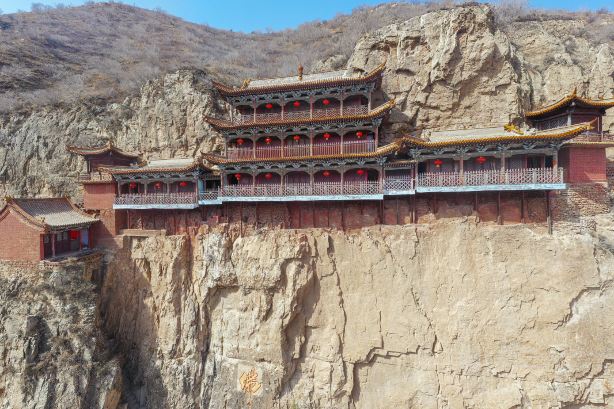
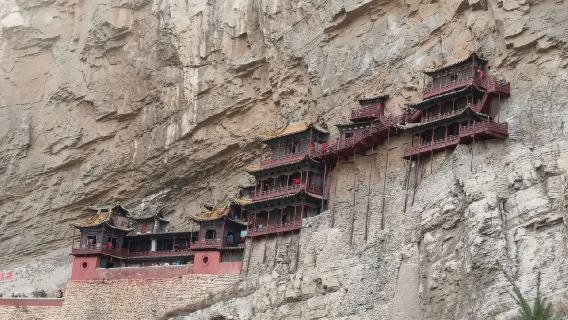
Shengquan Temple, a unique ancient suspended structure in China, is renowned for its precarious location and exquisite architectural craftsmanship. The following review is based on reliable information:
Architectural Features and Historical Value
Suspended Structure: Shengquan Temple, located in Guangling County, Shanxi Province, was built over 1,500 years ago during the Northern Wei Dynasty, 20 years before the Hanging Temple of Hengshan Mountain. The temple rests on 32 pillars suspended from the cliff face. The main structure is supported by beams embedded in the cliff face (using the expansion principle of wooden wedges), demonstrating the superb craftsmanship of ancient craftsmen.12
Risky Experience: Climbing the temple requires climbing narrow steps and chains, with sections reaching near vertical heights, a significant test of both physical strength and courage. Reaching the summit offers breathtaking mountain views, but those with a fear of heights should exercise caution.2
Safety and Touring Recommendations
Restricted Areas: For safety reasons, some access roads to the Hanging Temple are closed, preventing visitors from getting a close-up look at the underlying structure, which is somewhat disappointing.1
Best View: The "F" sign midway up the mountain is the recommended spot for panoramic views of the temple. The three-story building is staggered and arranged in a rhythmic pattern, a stroke of genius.
Cultural Significance
Shengquan Temple is not only a religious site but also a living fossil of ancient engineering. Its thousand-year-old miraculous standing demonstrates the ancients' profound understanding of mechanics and the environment, making it a worthwhile visit for visitors interested in historical architecture.
Shengquan Temple
Anonymous user30 October 2026
5.0
Online ticket purchase and QR code entry are convenient and fast. We were very lucky to snag two tickets through the mini-program to climb the Hanging Temple, taking the children to experience firsthand the ancient temple embedded in the cliff face. Built during the Northern Wei Dynasty, it's over 1500 years old, and we were amazed by the wisdom of the ancients. Unfortunately, my husband couldn't get tickets to climb the temple and could only admire it from afar.
Xuankong Temple
Anonymous user1 November 2026
4.0
Took around 1.5 hours to reach to the Badaling Great Wall via bus. There is only 1 bus that go to the Badaling around the location written in the description so still okay to find. Bus only left when the bus is full which took around 30 mins
Badaling Great Wall

EmilyyCE31 October 2026
5.0
We loved our experience here but especially because of our lovely Tour guide, Susie! She knew everything and was very informative. She really made the experience for us. Thank you, Susie with the orange Beijing flag and wonderful spirit.
The Palace Museum

CP狗狗1 November 2026
4.0
We went on a rainy day. The advantage was fewer people, but the disadvantage was that it started pouring rain halfway through the ride, and we got completely soaked... The park wasn't as big as I expected, and the main rides weren't particularly innovative. It might be better to go on special holidays for a better atmosphere.
Universal Beijing Resort

E43***4413 October 2026
5.0
张洋导游讲解的非常好!All visitors should book the national Museum of China trip. It is not easy to book on your own, book through Trip.com and have a guide to share the history with you..
National Museum of China

永新松山1 November 2021
5.0
This is a spiritual place. When you first see the water and the tower in the courtyard, you will find it very exquisite. You will see the stone steps that seem to be randomly stacked in the shade. The tower with exquisite carvings stands in the small courtyard. The murals in the courtyard are very unique. There are also corridors on both sides of the courtyard wall facing the water. It is actually very elegant...
Shuishen Hall

Ping Punnapa1 November 2026
5.0
Long walk but it's okay for the fresh air and beautiful view .
Heng Shan Mountain

_We***5731 October 2026
5.0
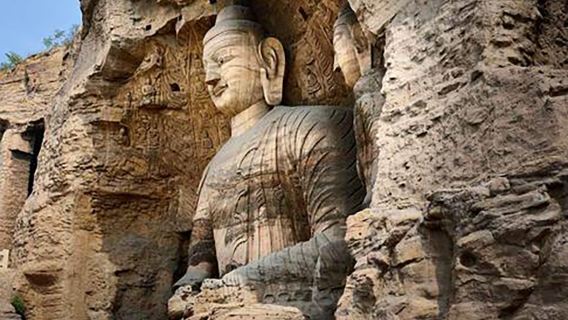
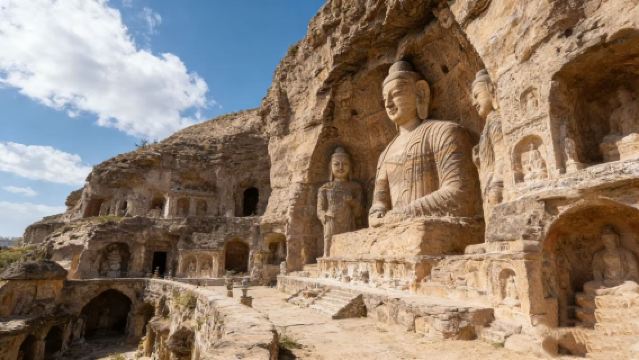
The tour guide's explanations were meticulous and thorough, demonstrating a solid foundation in history and professional competence. Many easily overlooked historical details were covered, and the entire trip was very rewarding. Overall, I was extremely satisfied with the trip!
Yungang Grottoes
Trip Moments in Guangling


