China K Visa: Requirements, Cost & Process from India

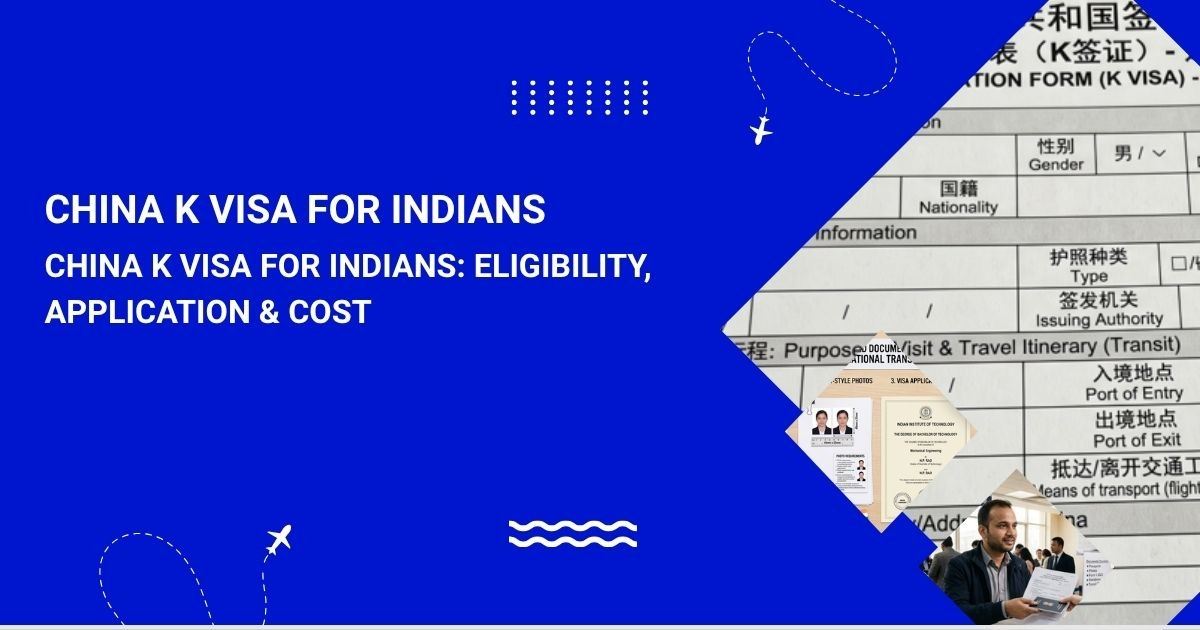
Are you a STEM graduate looking for opportunities in China? Then, you might apply for China's K visa. Launched in 2025, it is a flexible, sponsorship-free work and entry permit that targets young professionals, researchers and scientists in science, technology, engineering and mathematics (STEM). Thus, the visa allows qualified talent enter China without a job offer or a local sponsor.
Fly to China
Hotels in China
Things to Do in China
See all flights


 NO.1
NO.1


![Mutianyu Great Wal Tour[Small Group of 9 | Private Tour Optional | Multiple Packages]](https://ak-d.tripcdn.com/images/0355l12000qpsc3klD145_C_568_320.jpg)

![Beihai Park in Beijing Trip Moments [8 chain stores in Beijing · Hanfu + makeup and styling/multiple packages optional]](https://ak-d.tripcdn.com/images//0586012000rf58x2mFB8B_C_568_320.jpg)


China K Visa Features
Note: AI-generated image. Only for reference.
- Self-Sponsored Entry: The K visa allows eligible professionals to enter China first and then look for employment.
- STEM-Specificity: The visa explicitly serves professionals from STEM with priority areas that include software engineering and development, AI and ML, data science and analytics, robotics and automation, advanced manufacturing, industrial engineering, electrical engineering and semiconductor design.
- Research & Development Friendly: The K visa also welcomes researchers working on applied science projects.
- Employment Flexibility: The K visa doesn't tie you to a particular employer. You can change jobs or even freelance without risking your immigration status.
- No Annual Limits: The visa doesn't have a numerical restriction or limit on the number of visas processed annually.
- Entrepreneurship: K visa holders can also register and operate various types of businesses, including solo consulting or venture-backed startups.
K Visa vs. Z Visa: What's Actually Different
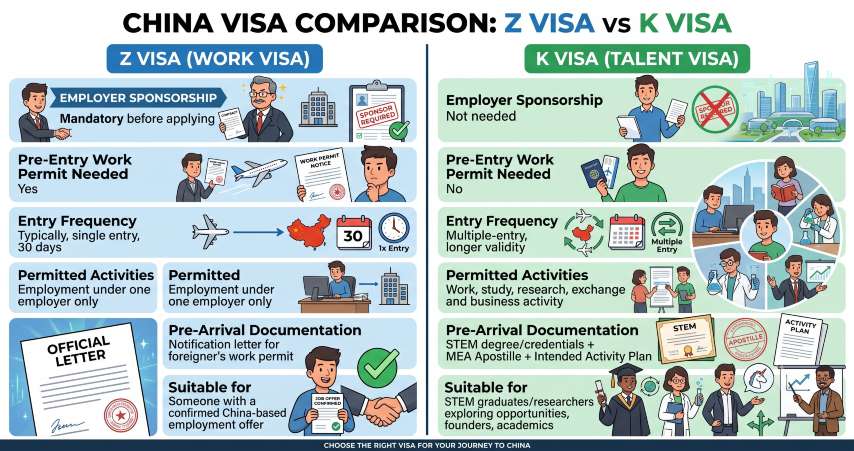
Note: AI-generated image. Only for reference.
Feature | Z Visa (Work Visa) | K Visa (Talent Visa) |
Employer Sponsorship | Mandatory before applying | Not needed |
Pre-Entry Work Permit Needed | Yes | No |
Entry Frequency | Typically, single entry, 30 days | Multiple-entry, longer validity |
Permitted Activities | Employment under one employer only | Work, study, research, exchange and business activity |
Pre-Arrival Documentation | Notification letter for foreigner's work permit | STEM degree/credentials + MEA Apostille + Intended Activity Plan |
Suitable for | Someone with a confirmed China-based employment offer | STEM graduates/researchers exploring opportunities, founders, academics |
Remember
- The Z visa is the correct route if you already have a signed offer from a China-incorporated employer.
- The company must first obtain a Work Permit Notification and issue an official invitation before you can apply.
- The K visa lets qualified STEM professionals enter China first and then search for employment, look for research collaborations, or business activities after entering the country.
- But it must be remembered that both these visa categories are separate from the R visa, reserved for top-tier global experts, and the X visa for students.
See all attractions
K Visa Rules for Indian Applicants

Note: AI-generated image. Only for reference.
Academic Qualification
- Bachelor’s, Master’s, or Doctoral degree in a recognized STEM discipline.
- Degrees must be conferred by recognised Indian universities or accredited international higher education institutions.
Research and Institutional
- Current research or teaching employment in a STEM discipline at a recognized university, research laboratory, or technology research institute.
- Supported by an official institutional letter detailing the applicant's role, publication history, or technical project leadership.
General Rules
- A clean judicial record (police clearance/no criminal record).
- A valid passport with at least 6 months of validity and at least 2 blank visa pages.
China K Visa Required Documents and Attestation for Indian Applicants

- Valid Passport: Original passport valid for at least 6 months beyond the intended travel date, containing at least 2 blank pages, plus copies of data pages.
- Online Visa Application Form: Completed and signed China Online Visa Application form.
- Biometric Photographs: Recent standard colour photographs (33mm × 48mm, white background).
- Proof of STEM Credentials: Degree certificates and comprehensive transcripts, or an official institutional letter confirming current scientific research appointment.
- Statement of Intended Activities: A clear, professional summary outlining the proposed technological domain, target innovation hubs, institutional research objectives, or business development plans.
- Professional CV: Comprehensive resume that highlights your academic qualifications, published research, technical expertise, and past project experience.
Important Note: Visa rules are often dynamic. They can change anytime. Hence, you must check the latest visa requirements before applying.
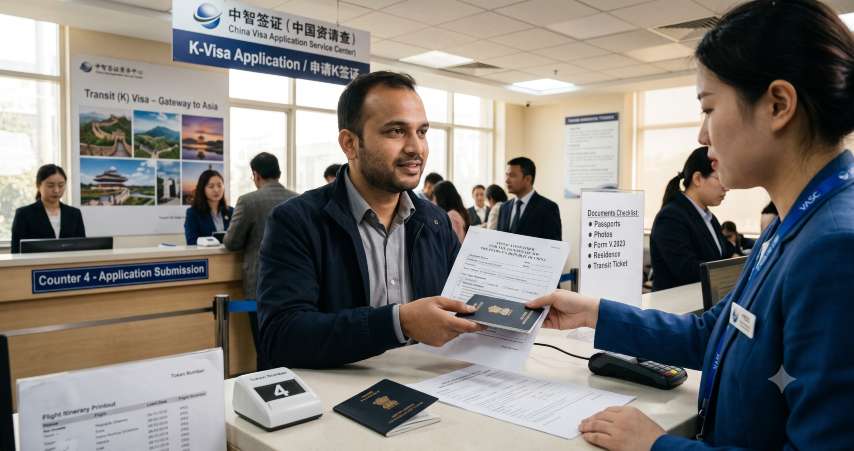
Applying for China K Visa from India: The CVASC India Application Workflow
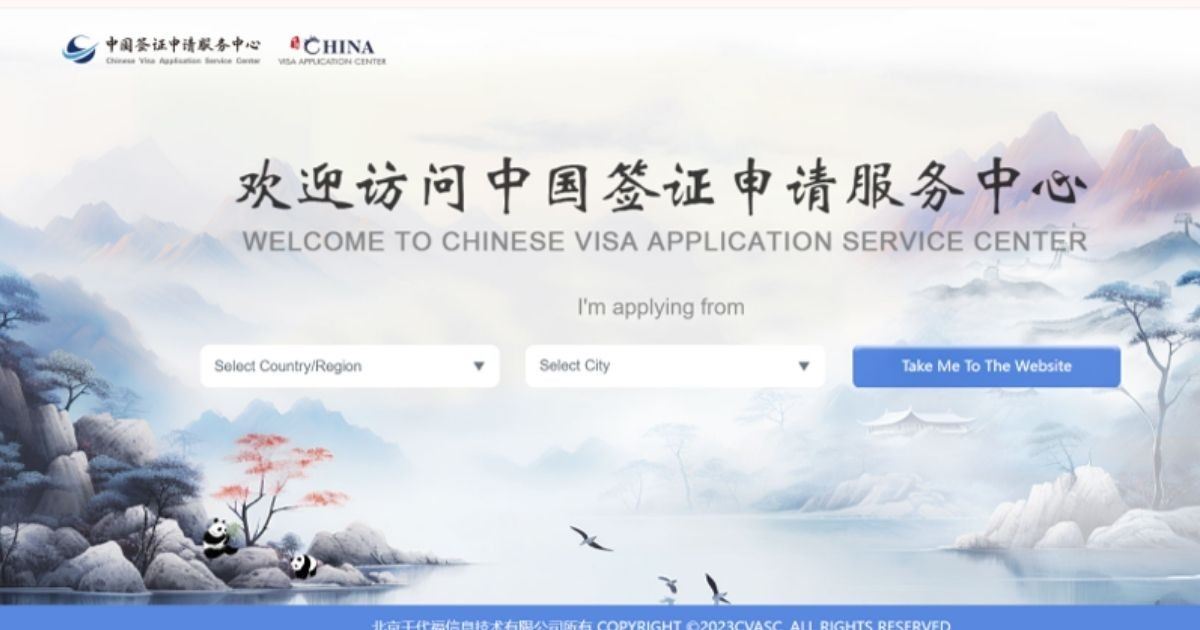
Source: China Visa Application Centre
Applications for the China K Visa from India are processed through the Chinese Visa Application Service Center (CVASC) in New Delhi, Mumbai, and Kolkata.
Filling in the Online COVA Form
- Visit the official Chinese Visa Application Service Center platform for India.
- Select country as India and the Embassy or the nearest consulate you would apply through.
- Select the type of passport.
- Complete the online visa application form (COVA)
- Upload the required digital photograph
- Print the completed application form along with the confirmation page.
Authenticating Educational and Research Credentials
- Obtain state HRD/Higher Education authentication for your STEM degrees and later the official Apostille from the MEA, Government of India.
- Schedule an Appointment at the Designated CVASC.
- Book an in-person submission slot through the CVASC online booking portal.
- Ensure you collect and carry all original documents, Apostille certificates, CV and the activity statement.
Submitting Dossier and Complete Biometrics
- Visit the designated CVASC centre to submit your physical application dossier.
- Perform biometric scans.
Consular Assessment and Processing
- The Embassy or Consulate-General assesses the submitted qualifications and statement of activities.
- In select cases, the Embassy or Consulate may contact applicants for technical verification or interview.
Collecting the Passport
- Track your application status online.
- Once completed, collect your passport with the issued K visa from the CVASC centre or receive it via an optional secure postal return.



Universal Beijing Resort
4.6/5
25583 reviewsIt's really huge! I was exhausted from walking, but so happy. I went during Halloween, so I got to see all the different festivals, lights, sounds, and themes – it was amazing. I've been back several times. I think the Toothless show is the most impressive. If you're visiting Universal Studios Beijing, I highly recommend the Toothless show; it's fantastic! There are so many photo opportunities, I was exhausted from taking pictures for my sister. As for the rides, I didn't find the queues long at all. The rides were flowing continuously, so it didn't feel like a long wait. The queues moved quite quickly, so you don't even need a pass. Staying from opening to closing time is also a good option, it's a different experience altogether. But going during cooler weather might be better so you don't get too hot while taking pictures outdoors or walking around.

Tianmen Mountain National Forest Park
4.6/5
15340 reviewsOne of the best place I've visited..looking forward to see the transformation of the place...worth the trip and worth the visit..
China K Visa Cost (Generic)

Note: AI-generated image. Only for reference.
China K visa timeline and cost is as under:
Detail | Standard Processing | Faster Processing |
Processing Time | 4-5 working days | 2-3 working days |
Visa Fee | Up to USD 140 | Up to +50 USD surcharge |
Apostille on Documents | Up to USD 200 per document | Up to + USD 250 faster processing |
Certified Translation | Up to USD 150 per document | +50% for same-day |
Total | Up to USD 600 | Up to USD 1,000 |
Note: The above charges are tentative, generic and may change without prior notice. Indian applicants looking to travel to China on a K visa, must check the latest charges with the Embassy or Consulate of China in India.
Conducting Research, Startup, and Business Activities Without a Local Sponsor

Note: AI-generated image. Only for reference.
K visa is different from China's previous visa type in many different ways. However, a defining feature of the K visa is the scope of activity it allows on a single visa. Accordingly, holders of K visa can engage in the following.
- Educational and cultural exchange
- Scientific and technological collaboration
- Research activity across Chinese universities and institutes.
- Entrepreneurial and business activity enabling STEM professionals to explore business opportunities in China.
The China K visa removes the conventional condition that requires foreign nationals to have a work permit associated with one Chinese employer before undertaking any of the above activities.
For Indian researchers looking for academic collaborations, K visa reduces the friction of committing to a single sponsor before entering the country. However, you must note that taking up formal salaried employment in China may still require converting to an appropriate work/residence status after arrival.
Therefore, applicants must confirm current requirements, rules, regulations and conditions with the receiving institution or the local Public Security Bureau.
Car Rentals
Car Rental Promo Code - 8% Off
New User Enjoy up to 8% Off
TRIPCAR8
Dependent Visa Rules
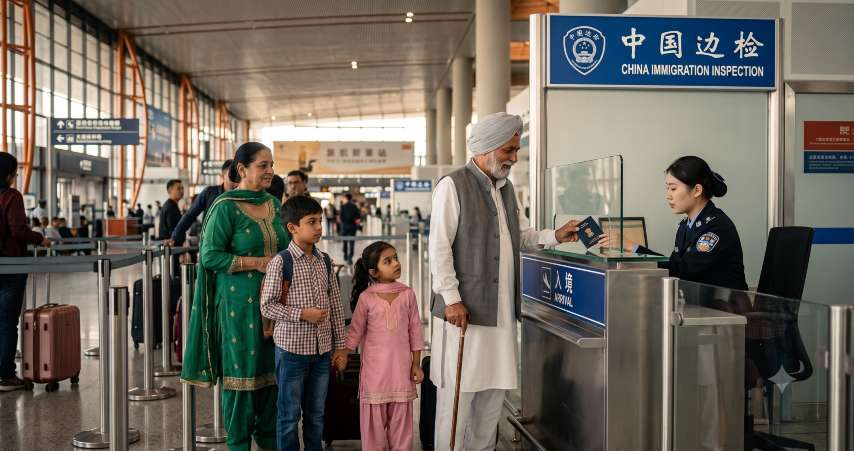
Note: AI-generated image. Only for reference.
The immediate family members of qualified foreign talent can apply for the following family visit categories, based on eligibility.
- S1 Visa: This is a single-entry visa issued to the spouse, parents, children under 18 years old and parents-in-law of foreigners who work and study in China. The length of stay is more than 180 days. The holder of the visa must apply for a residence permit within 30 days of entry.
- S2 Visa: This is a multi-entry visa, valid for up to 10 years, allowing a stay of no more than 180 days per visit. It is issued to the spouse, parents, children, children's spouse, siblings, grandparents, parents-in-law and grandchildren of foreigners who work and study in China.
K Visa vs. US H-1B: What It Means for Indian Tech Workers
For decades, US H-1B visa has been the default choice for Indian engineering and technical professionals. However, they now have an alternative in the form of China K visa, which offers a distinct, merit-driven framework.
Factor | China K Visa | US H-1B Visa |
Employer Dependence | Sponsor-free. Independent entry for research and startups | Requires an employer sponsor before filing |
Application Lead Time | 4-7 working days | Several months |
Work Flexibility | Freedom to research in labs, startup establishment or work as a consultant | Anchored to the approved petitioning employer and work location |
Allocation Mechanism | Merit and credential-based. No lottery. | Subject to annual statutory lottery cap |
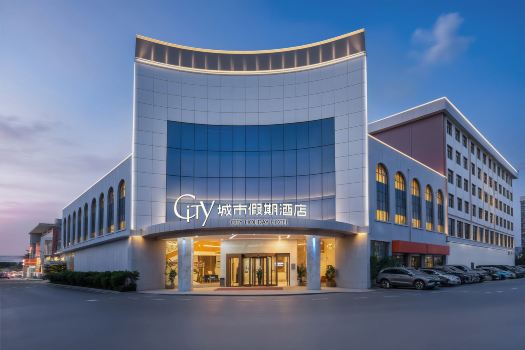
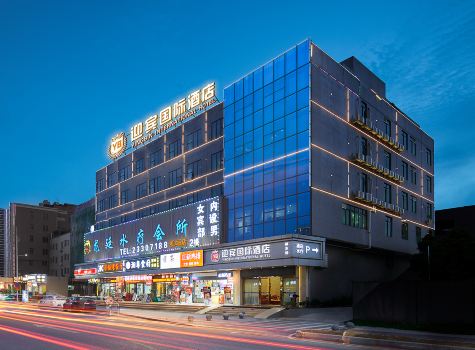
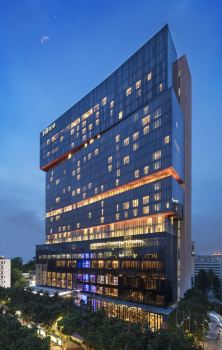
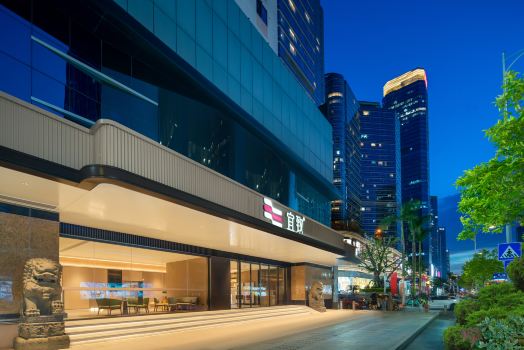
🔥Discount - China Hotel Recommendations
Beijing Hotels
Shanghai Hotels
Guangzhou Hotels
See All Hotels



Commonly Asked Questions About China K Visa
-
Who is eligible for a China K Visa?
-
Can I apply for a K visa for China online?
-
Can Indians visit China visa free?
-
When was China K visa launched?
Disclaimer: This article has been provided by an individual contributor or third party platform. If there is any discrepancy regarding the copyright, please contact us directly and we will delete the content immediately.
Trending Searches
-
Popular Airlines
-
Popular Cities